[My Brother]
Among the precious things my dad gave me—a love of words, a relentless sense of justice, and a political mind that never seems to rest—his son, my half-brother, remains my biggest treasure.
“I watched him as he shed his newborn skin, grew beautiful curls, learnt to hold my gaze and to wrap his tiny hand around my little finger.”
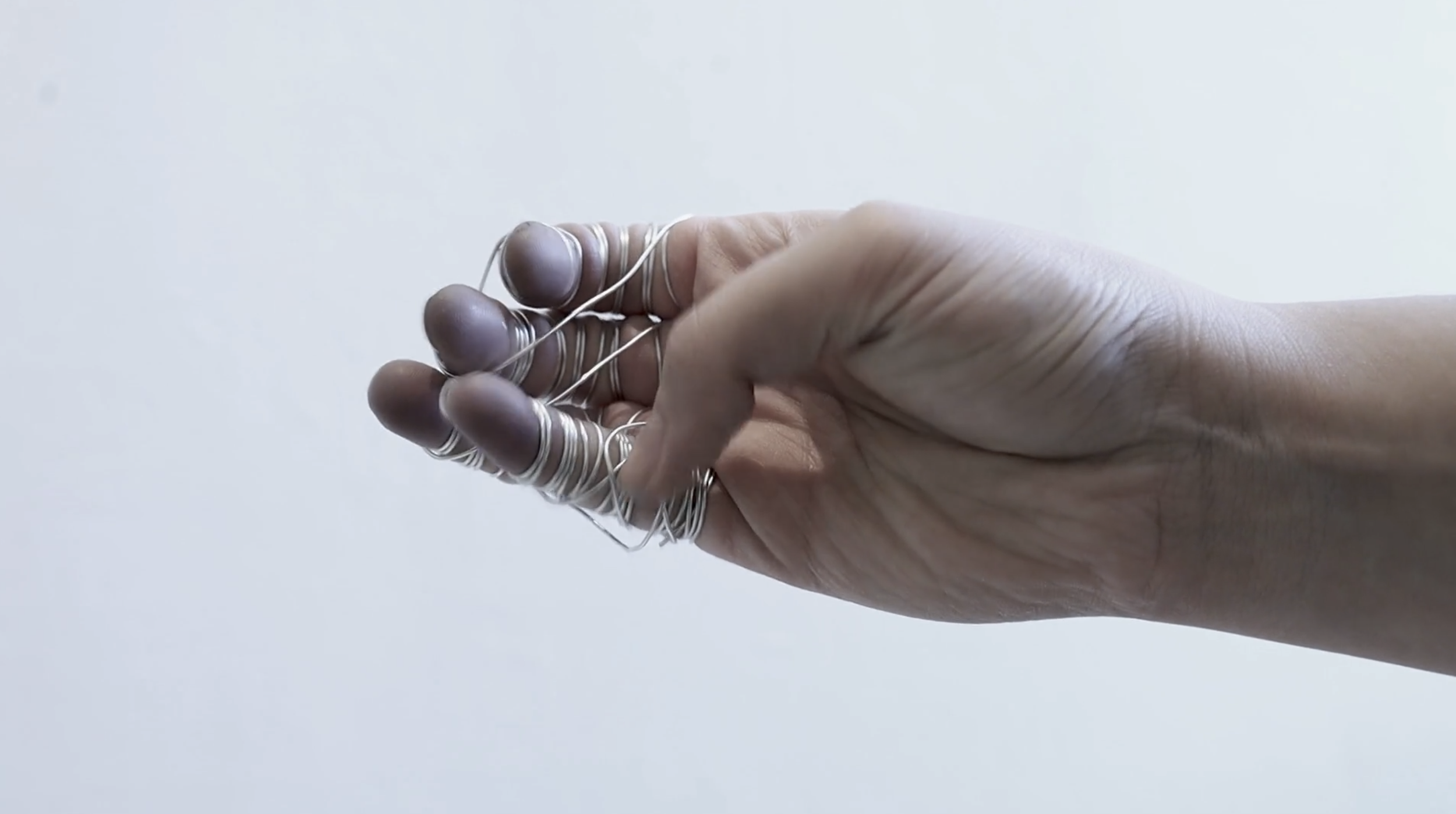
The image of his little finger reaching beneath my bedroom door, trusting that I would see it and open the door, lit up a part of my brain I never knew existed before him. Thirty years later, I still have to fight the urge to protect his bright 10-month-old smile in my mind. We live on different continents now and only talk to each other when the Internet and our work schedules allow.
He was born when I was 12, to a much older and quieter version of my dad, in the same grey, depressing city that cannot decide whether it loves or hates its own children—a land where filicide steps out of ancient myths and onto the streets, becoming not tragedy but the ordinary language of power, dominance, tradition, and family relationships.
His mum was a housewife, our dad a writer and political activist who had lost just about everything, his health, his job and eventually his hope, fighting a system that was never afraid of sacrificing the youth. It took me decades before I started to understand why people see the cruelty of this world and still decide to bring another person into it, possibly their most precious person.
Were they hoping that their children would continue the impossible battle and eventually win? But what if the child took one look at the cage fight and said no, it is not all worth it?
My dad's decision changed our old apartment on level 3, which used to be filled with daylight, newspapers, and books. It started with the addition of a white cot, right in the corner of the L-shaped living room. For months, that corner was the first place I went after waking up. But the change did not stay in that little corner. Children grow up and discover the world; it starts with reading stories, and from there nothing can be predicted.
His tiny pink body, wrapped in a blanket, returned from the hospital to this incredibly small bed in the apartment where my dad and I had started picking up our life piece by piece after losing my mum to cancer. It took my dad four years to move on before he met my brother’s mum. And none of us could have imagined this apartment would see another life again. It was old, almost falling apart, and full of my mum's family's stories, stories of people who mostly lived inside the family photo album when I was born. In contrast to everything surrounding him, my brother was new. His skin was flaky, and his large, closed eyes and impossibly little hands smelled like warm milk and faint notes of wheat and sweetness. I watched him as he shed his newborn skin, grew beautiful curls, learnt to hold my gaze and to wrap his tiny hand around my little finger. His eyes were greyish-brown, and he had my dad's gentle frame.
We did not live together for long. A few years after my brother was born, my father's addiction caused him extreme episodes of mania, and when he started to self-harm in front of me, I could not take it anymore. I had always watched him wear down his own soul one hit at a time. When I started finding the tinfoil and rolled banknotes he used to smoke his low-grade substances in random corners of the apartment, it was a clear sign that he no longer cared about hiding his poison. But even that could not have prepared me for watching him cut himself in a state of absolute delirium.
I moved out, eventually got married, and later immigrated, hoping to leave the city that eats its own children far behind me. My brother remained, trapped in the memories I have of that place. To me, he is not only himself; he is the child I was too scared to bring into this world, and he is all I have left of my dad, after he too lost his life to cancer.
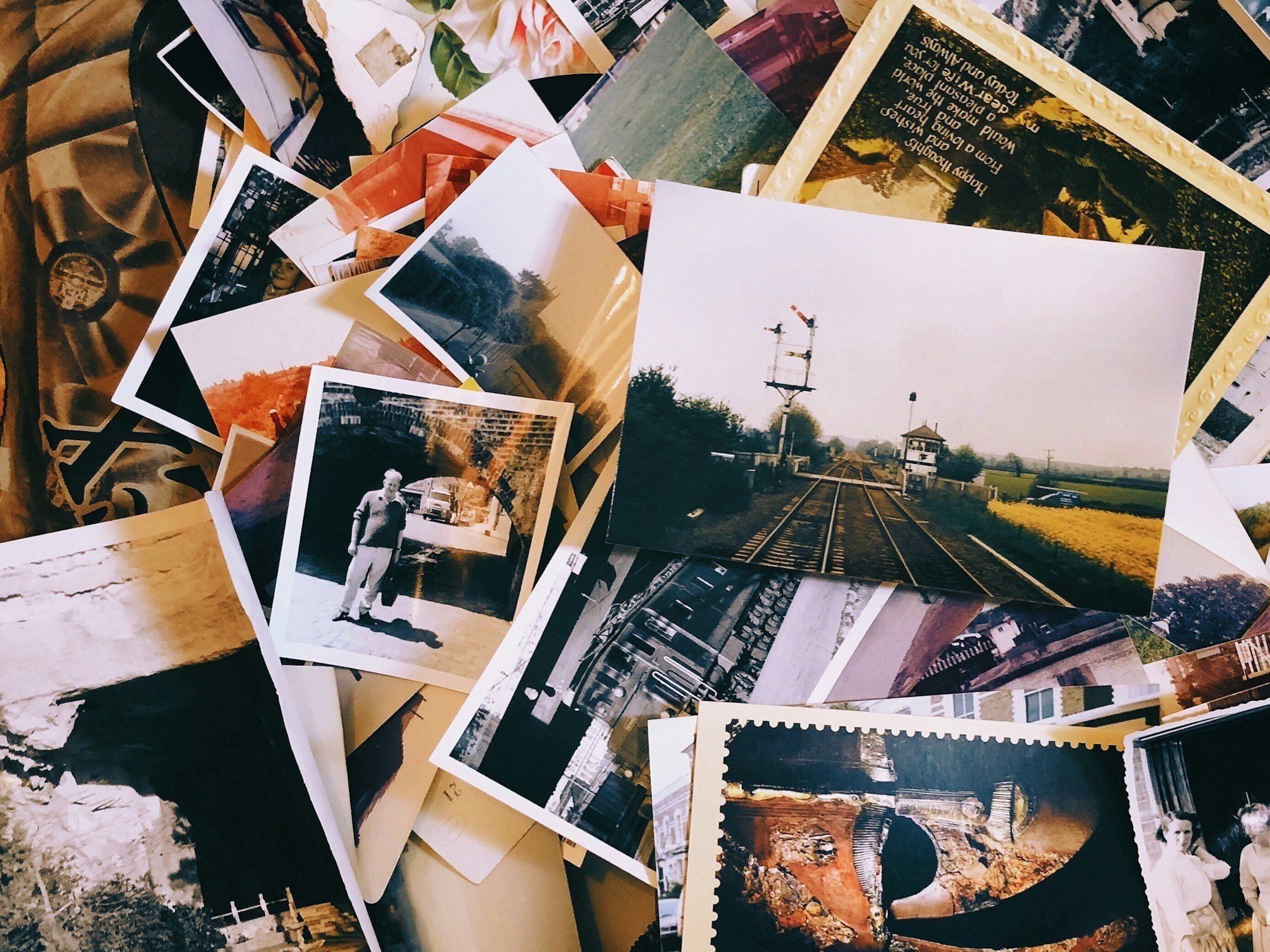
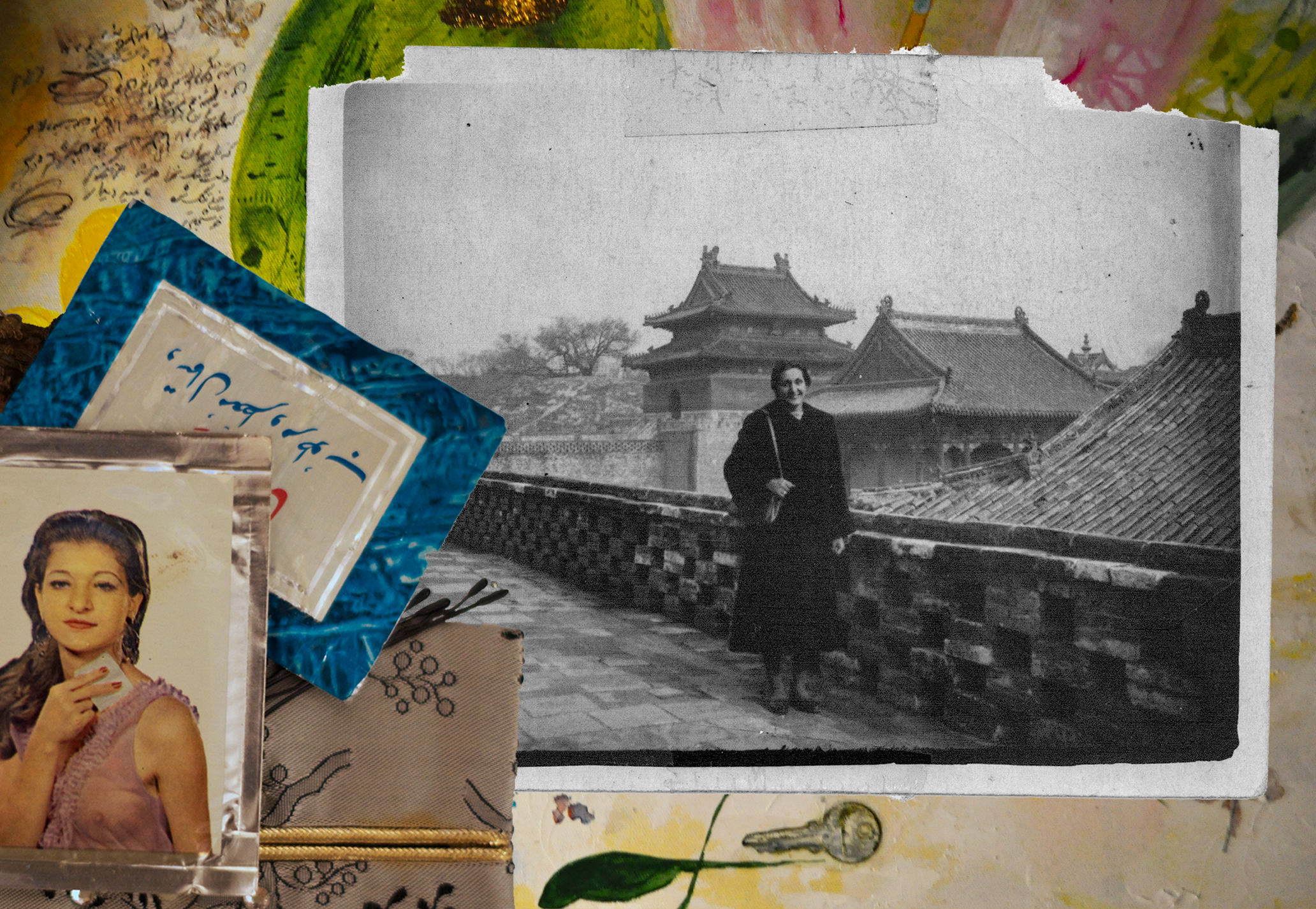
Sometimes I look at photographs of his childhood to relive the early days, the days when life gave me the sibling I had always longed for. He was my childhood wish granted, years after my late mother miscarried. I was too young to know my mum had decided to have another child despite her terminal cancer, and only found out when we went to the hospital after the miscarriage. I walked over to the cot beside her bed and looked inside. Despite my dad telling me that we had lost the baby, I was still hoping I would see it there, shocked to discover that it was empty.
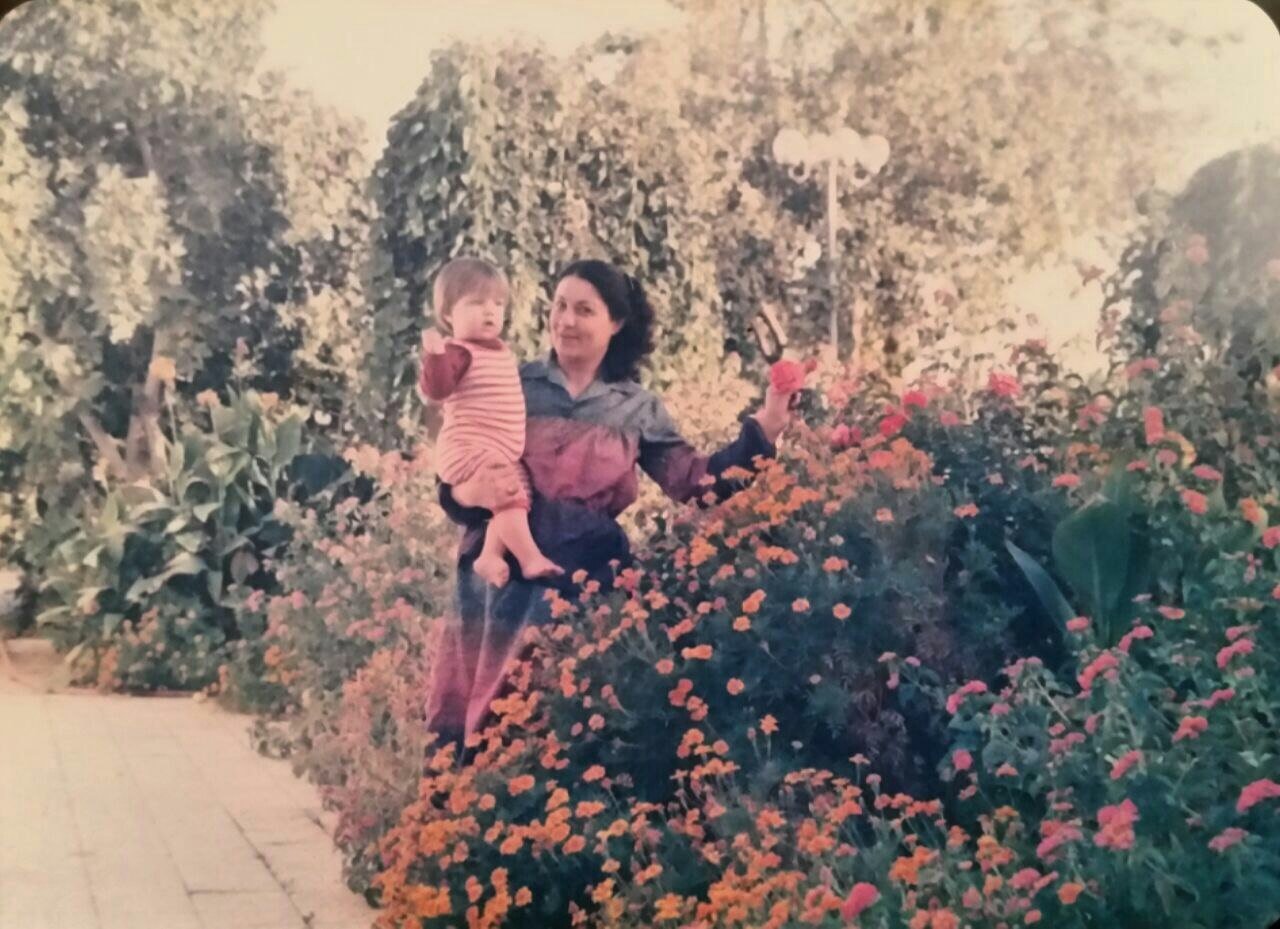
I smile back at the photos of my brother, this little boy with long curly hair, sitting beside his cousin at his maternal grandfather's house, dressed in a rabbit costume at kindergarten, or perched happily on my shoulders.
Do you have any idea you were born to carry stories that would continue through you, whether you like it or not? Are you ready to hear all of them, my little child?
[My dad]
By the time my brother was born, my dad's decline was undeniable. It was not that he abused substances more recklessly than before, but that he read less, wrote less, and gradually lost any desire to publish. His greys covered more of his beloved head, while his smile lines drew a thicker and darker sketch of the fighter he was over his exhausted face. Opium consumed his sharp mind quietly, but persistently.
“What happens to stories that have no name? Does anyone remember them? How will they be retold?”
We used to wrestle when I was a child, reminiscent of his professional wrestling years, something he did before he got caught up in writing and, later, politics. Maybe if we had been born in different lands, where fathers did not betray their sons in the ancient stories, my dad could have been just a professional wrestler, pursuing his dream of writing on the side, and coming home to two happy children who loved life enough to give him grandchildren. But writing cost him too much. Being young and full of questions dragged him into stories he had no idea he was part of, as a child too. And my heart always ached for his image as a child, the same way it ached for my brother.
I wish my dad could have wrestled with my brother like he did with me, but between illness, drug abuse, and a failed marriage, his physical ability was shrinking. He would still mimic the sports reporter, introducing himself versus my 3-year-old brother and staging a pretend wrestling match. My brother would run in excitement, squealing and bursting into laughter.
My brother was barely two years old when my dad wrote his final, unpublished short story.
It was chaotic and lacked his usual structural integrity. I could not get him to edit the story properly. Still, it was emotionally raw and put the reader face to face with suppressed questions they had likely ignored all their life, leaving them unsettled about their own role in other people's stories.
On the surface, it was a story about freedom—not as a physical condition, a human right, or a command, but as a mindset and a lifelong commitment. It followed an activist who refused to celebrate the murder of a dictator he had fought against for years, and who was publicly ostracised despite years of sacrifice and dedication. While the passive crowd, who had preferred the comfort of being apolitical all those years, were dancing in the streets, he sat on his couch, feeling a void and disbelief.
The story did not offer comfort, but contradiction: the hypocrisy of hating someone for disturbing life and celebrating death in the same breath.
It had no title. He had chosen not to give it one. For a man with a platonic love affair with words—a man who came up with a list of 20 names for me before I was born and would have named me 10 times if he could—it felt like an extraordinary decision.
What happens to stories that have no name? Does anyone remember them? How will they be retold? If naming was a way of knowing something existed, he protected my story with every single name he picked for me before my birth, while refusing to protect his final story in the same breath. And then I remembered: my dad let my brother's maternal aunties pick his son’s name.
As he read his final story to me, I was transported back to those nights when I was perhaps two years old, listening to him perform our sacred ritual: reading my favourite bedtime story, The Little Black Fish. Afterwards, he would pat me to sleep with his big hands. Now, those hands were veiny, shrunken, and bruised from injections and medication, and they belonged to a dad who did not name his own son. But it was not only that. I do not recall if my father ever read The Little Black Fish to my brother. And certainly he never read his unnamed story to him. In doing that, did he make me the gatekeeper of his story?
Do we become the stories we read? And then spend the rest of our lives writing them back onto paper? What a strange loop. If that is true, do we inherit some stories that should end with us?
I never wanted to answer this question. I do not want any story to end with me, but I think my life choices will tell otherwise. I am a childless 41-year-old woman, permanently living two continents away from a country she called the land of filicide. It is easy to think I planned a perfect escape, until you figure out the practical holes in it.
[Aida]
Years after my dad died, my husband and I had managed to build a stable life in Melbourne. With years of therapy and medication, I am getting better at living with the loss of my parents and adapting to life away from home: safe, somewhat lonely, but I have submerged myself in work. One night, I was doom scrolling on Facebook when I saw a friend request from one of my mum's cousins in Iran.
“I remember how bewilderingly quickly my emotions shifted. First came the relief that her grudge was greater than mine. Then shame. Then anger.”
I was suddenly on edge, and kicking myself for being here, on Facebook, this cursed graveyard where people from the past can find you.
Her name was Aida. At first, it meant nothing to me. I had to look at her surname before I realised we were related.
Then I began to remember her.
She was tall and thin, with a shy posture that seemed at odds with her high-pitched voice. Before I met her at my mum's funeral, I saw her in our family album: standing beside my mum in the hallway of our apartment, sitting with my uncles around the Haft-sin table for New Year, in the same corner where we later placed my newborn brother's cot. She looked young, and she was always holding her own hands, like she was trying to figure out what to do with them.
After Aida’s father died by suicide, my grandmother took responsibility for her brother's daughter. We never discussed the suicide, but I was always curious about this random uncle of my mum, who apparently refused to play a part in the story of the family and chose to leave. I heard he was mentally unwell, and his wife's infidelity was the final straw. I vaguely remember bumping into him once, when my mum and I were taking a stroll around the old part of her town, back when I was barely four. I did not notice anything beyond his tall figure, his bony face and dark skin. I remember wondering why everyone except my mum called him crazy, but I did not ask any questions. We walked past, and that afternoon did not mean much, not until I got to know his only daughter, Aida.
Knowing my mum's family as well as I did, especially my grandmother, I had always doubted that taking Aida in and bringing her from her small northern town to the Tehran apartment she shared with my mum and my unmarried uncles was really about Aida’s well-being.
I quietly suspected that everyone assumed the crazy father must have hidden some money somewhere and that Aida might know where it was. That, I thought, probably explained my grandmother's sudden interest.
Was I correct? I do not know for sure. Her story was the same as mine. I was almost taken from my dad by my grandmother and her son, in the hope that this way they would get a bigger share of my late mum's inheritance, which included the apartment in which most of these stories had taken place. My mum purchased the apartment before 1979 with the money she made working double shifts in hospitals.
According to my grandmother, Aida was difficult, and the acne scars on her face had diminished her chances of finding love. Eventually, she married the first suitor who came along—a violent, lazy man about whom nobody seemed to know much. According to Aida, her aunt—my grandmother— simply wanted to get rid of her.
I was only eight then, still grieving my mum. For months, I felt a gaping hole inside me with every step I took. The void was so deep that my mum’s family gossip barely entered my world. I was seeing a child therapist and dealing with evening anxiety that showed no signs of easing, even six months after her death.
I never asked Aida about her story.
Years later, I heard that Aida and her family had converted to Christianity and that the local church was feeding and clothing her two young children while helping the family find work.
I finally accepted her friend request, feeling vulnerable. Has someone died? Has someone immigrated to Australia and needed help? Come on, Aida. What strange twist of fate has brought you back into my life?
I opened her message.
She had heard that my dad had died. There were no condolences; she was actually happy that the man who hurt her beloved cousin was gone. It was about time! She wanted to know whether he had suffered for what he had done to my mum.
Part of me always felt for Aida; I saw her as I saw myself: trapped inside my grandmother's elaborate web of greed, separated from her father, and bizarrely unwanted by her mother's side.
Some small part of me took comfort in finding someone nursed a grudge more deeply and for longer than I did, against a man she had barely known, even more than a decade after his death and nearly three decades after their last brief encounter.
I remember how bewilderingly quickly my emotions shifted. First came the relief that her grudge was greater than mine. Then shame. Then anger.
Aida showed that my perfect plan was flawed.
For the first time, I could no longer deny what I had spent years pretending, that I refused to play a part in the stories of others. Yet here I was, dragged into a past I thought I had left far behind, suspended somewhere in between my dad's story and Aida's — on the couch, watching a death being celebrated.
I wished I could reply to her, ask her how much she knew about the suffering she wrote about.
But I never talk about my parents' pain to anyone, partially because it is too painful for me to relive those days, and also because I do not know if anyone can understand what it means to witness one of your parents hurting the other. Whose suffering was greater did not matter, not to me.
I have learnt to become the gatekeeper, the protector and the escape artist all at once, dreaming of the suffering ending with me. And still, my dad is remembered only through the harm he did, never through the brutality that broke him first, then made its way to my mum, to Aida, and eventually to my brother.
What happened to you, Aida?
My anger had passed, as all emotions do, leaving me exhausted. I wished suffering were that simple to explain, Aida. How much is enough? Who gets to decide? And who keeps the records, Aida?
I wish I could protect my dad's unnamed story, and the son he did not name himself, Aida. And I wish my own story weren’t about denial.
But in reality, I have never told my brother about The Little Black Fish, or about my dad's final short story. Naively, I still think I can protect those little fingers that searched for me beneath a closed door. In my mind, I open the door, his toothless 10-month-old smile greets me, and I am still quietly wrestling with the question: are you ready to hear all of them, my little child?
Samin Sabour is a Melbourne-based writer and designer.