Prologue | How it all began, somewhere in the middle
When I began my undergraduate thesis, I had no idea that I would only begin to skim the surface of the art of memory, and how much this base of knowledge would unintentionally prepare me for one of the hardest events I would face shortly after graduating. —August 29, 2013
The words above are from a journal entry that have echoed countless times in my ruminations since. I had no anticipation that my undergraduate architectural thesis would become a guiding light in the journey of my grief, in the aftermath of discovering my late father at the bottom of our swimming pool the September following graduation in 2012. He passed tragically at age 59 of a heart attack, complicated by drowning, at the only childhood home I have ever known. To this day, I am not sure how my mother and I managed to get him out of the pool, frantically performing CPR… pumping and counting “and one and two…” He had been long gone before we had even begun.
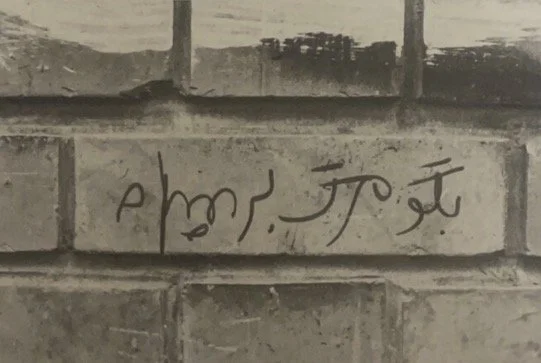
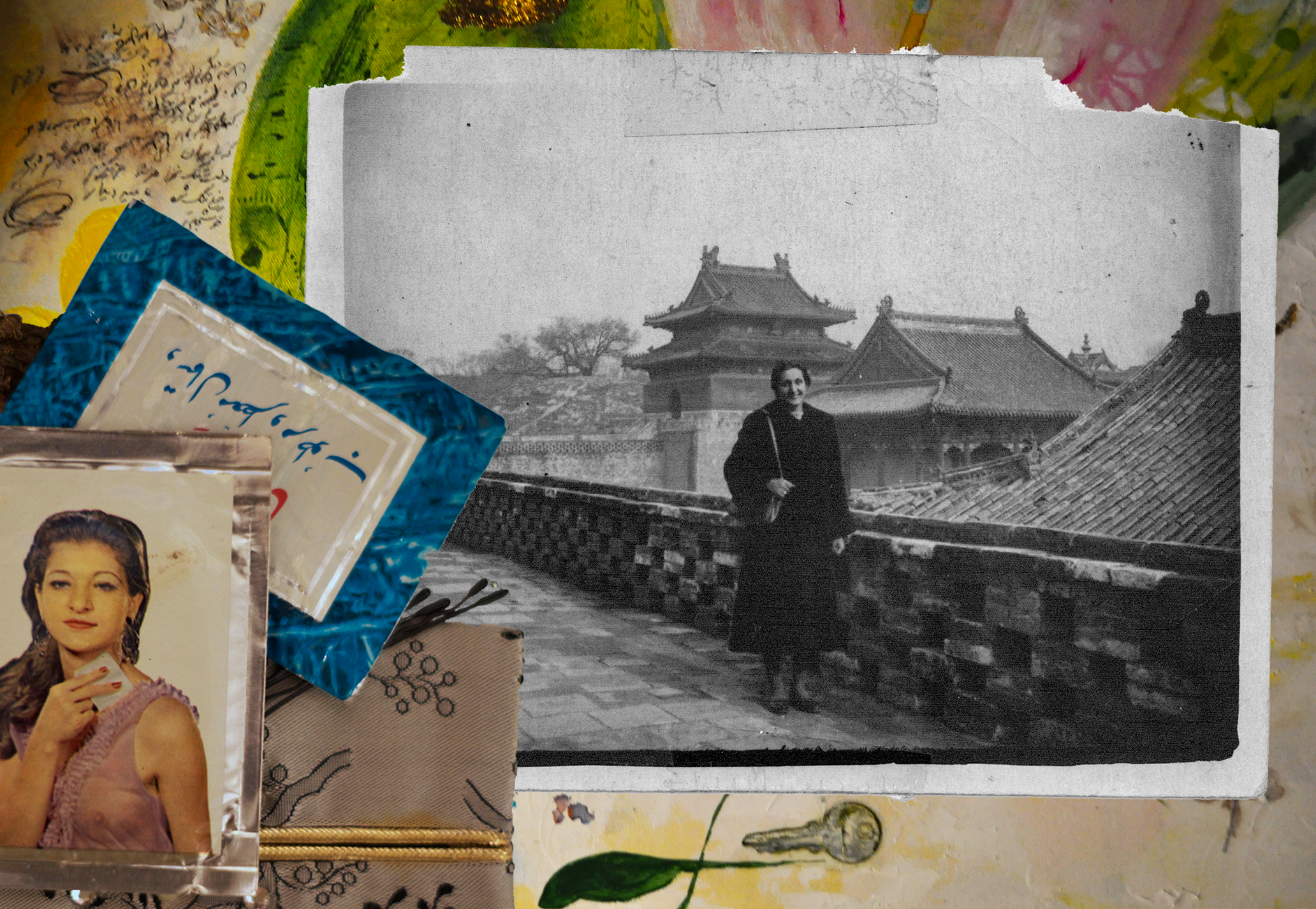
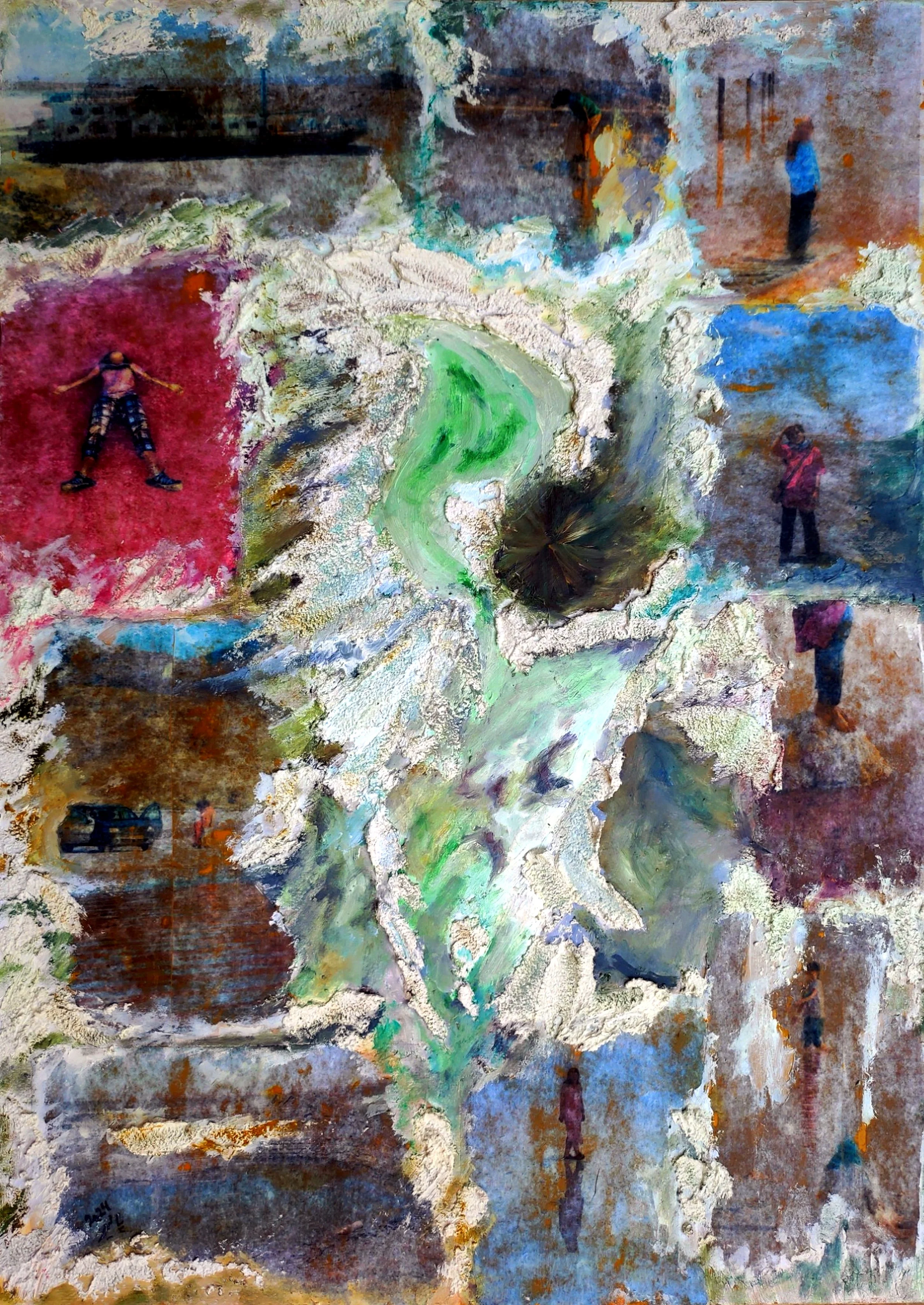
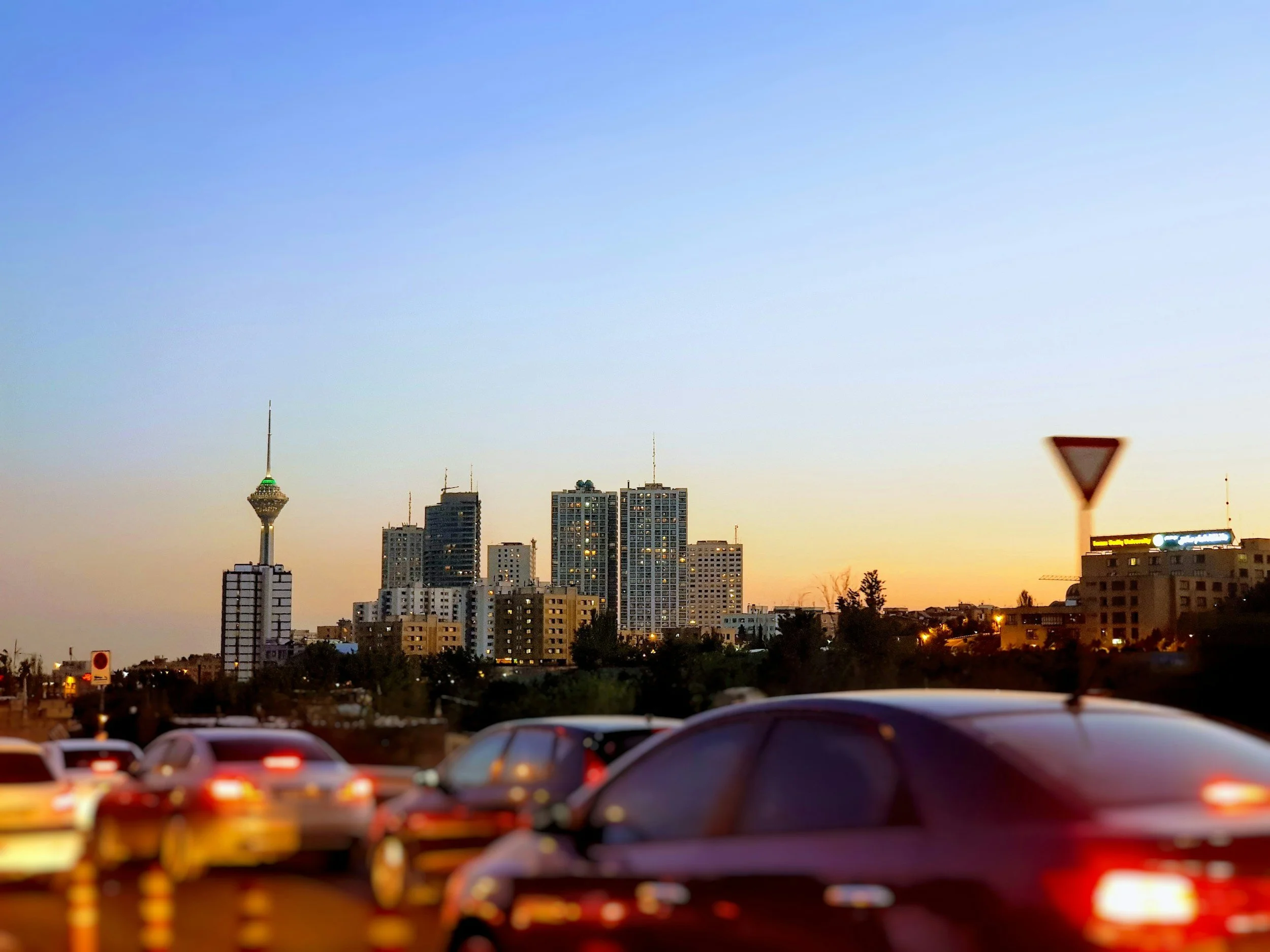
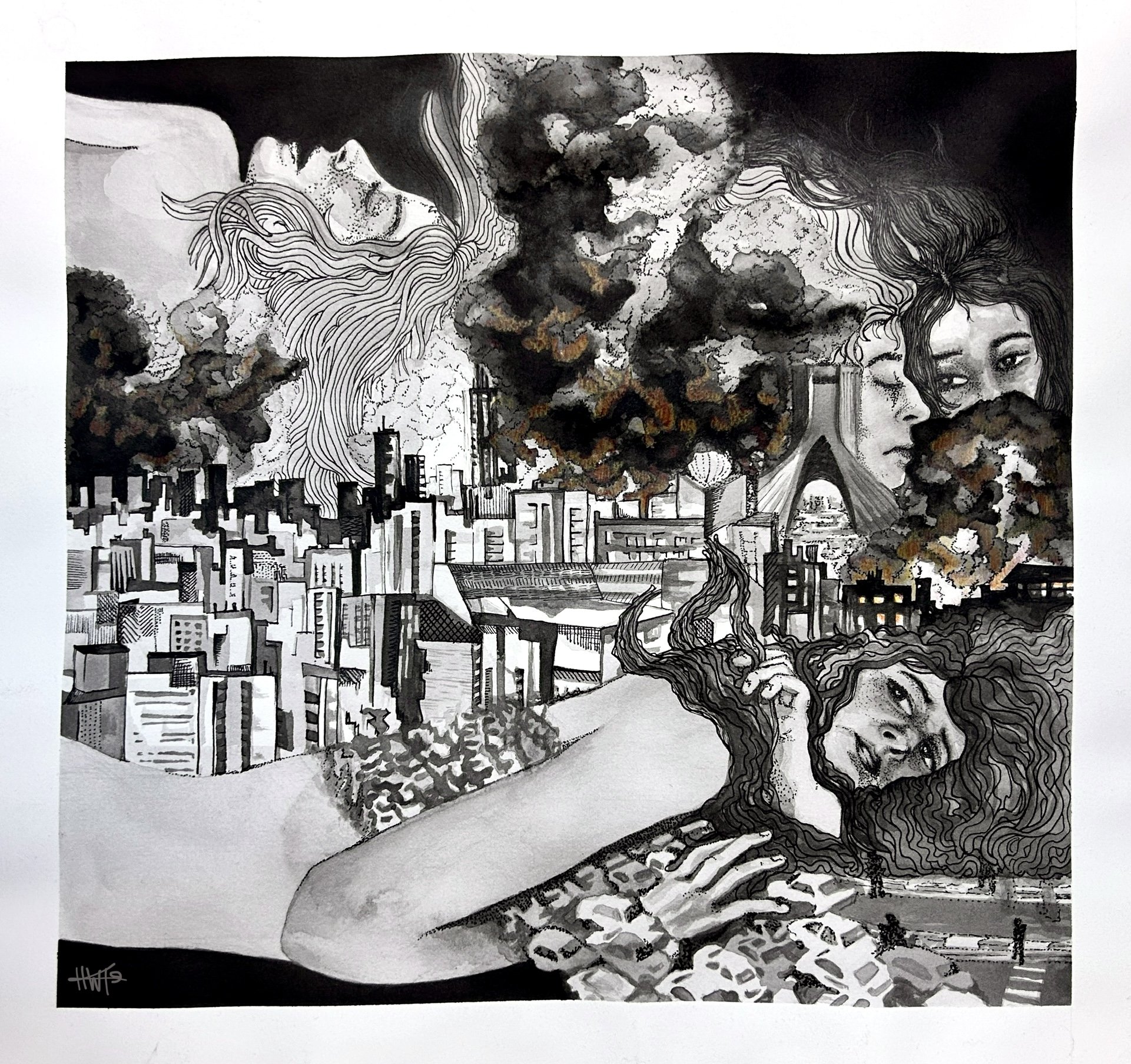
During the year of my thesis, I became a dutiful student to the subject of memory. I leafed through every page of every book I could get my hands on from the Cowgill Library, books with even the most remote relation to the subject. My research explored collective memory, trauma, healing, ritual, and all that pertains to Iran. The goal was to develop a culturally sensitive architecture for my ancestral home of Tehran—a place where the past, under successive cycles of oppression, has come too close to being forgotten.
This endeavor was a bit of a spiritual quest in itself, as I had tried my best to disassociate with my Persian heritage for most of my life. My parents, like many in the Iranian diaspora, escaped the revolution and the Iran-Iraq War, coming to the United States in 1984. For much of my upbringing, I was struck by how much pain they carried for the life they had left behind, the relationships torn apart in its wake, and a regime that robbed them of a home they loved. From a young age, I distanced myself from everything Persian, because all I could see was the hurt it held. My thesis work offered an opportunity to make peace with a large part of who I was, which it did, and then some. Unknowingly, I spent that year preparing myself for a journey of healing that lay ahead.
Act One | Collecting the Architecture
We don’t often consider the act of collecting as a means of remembering. Through collection—that is, the removal of an object from its original context to create a series—it is possible to create something new. The act of collecting enables us to reframe context and create an entirely new composition. This mode of remembering makes it possible to revisit the past with greater sensitivity.
The above page in my sketchbook marked a turning point in my thesis. By extracting the negative space within an existing, forgotten foundation on my chosen site, I had discovered that the architecture itself could participate in the act of collecting. Rather than treating the void as empty space, I began to understand it as an artifact in its own right, one that carries memory and meaning. The negative space as the artifact, my proposed Institute for Collective Remembering now became its own framework, formally recalling pieces of itself to collect meaningful artifacts for the people of Iran: honoring the past and present simultaneously, contained by traces of a form that was never fully realized. What had been lost could become the very thing that holds what remains.
This final moment of clarity transformed a year of elusive explorations into a tangible architecture. I will never forget my advisor’s delightful surprise as he walked by my drawing board—“it’s actually a building!” To my own astonishment, it was. I had drafted something that could conceivably be built in the corner of Laleh Park in Tehran.
Act Two | My personal terrain for collection & recollection
We lost my father on September 2, 2012. In the years that followed, I riddled notebooks scattered across my Seattle studio apartment with grief-stricken outpourings, flipping to a random blank page when inspired. I desperately needed an outlet, though I hoped to never relive those writings. The deeper I could bury my grief in untraceable pages, the better. As the years progressed, I became haunted by the weight of those pages, confronted by them when I’d least expected, quickly flipping past them when I could not bear the gravity of my own words. What had seemed like a harmless coping mechanism had now taken over my apartment like an invasive weed.
The Seattle Demo Project (SDP) was a friend’s endeavor, aimed at breathing life into the traditional Seattle homes that were increasingly slated for demolition and redevelopment. As both architect and artist, my friend Bradly was able to leverage his professional relationships to convince developers to let him and other artists transform these Seattle homes into creative canvases for the surrounding communities prior to their demolition.
By proxy of friendship, I was invited to participate in one of SDP’s early endeavors, despite never crafting a site-specific art installation. Alki House was a classic American Foursquare that could be conveniently divided into quadrants for the four artists participating. With my thesis still at the forefront of mind, I put my findings to the test: transforming what was once a child’s bedroom into my own personal terrain for collection and recollection.
The exercise became a transformative ritual in healing my wounds, beneath the safe guise of art.
As part of the spatial transformation, I hauled in buckets of landscape material, much of which was sourced from the house’s own backyard. Bit by bit, the room transformed into an otherworldly space, blurring the boundaries between inside and outside.
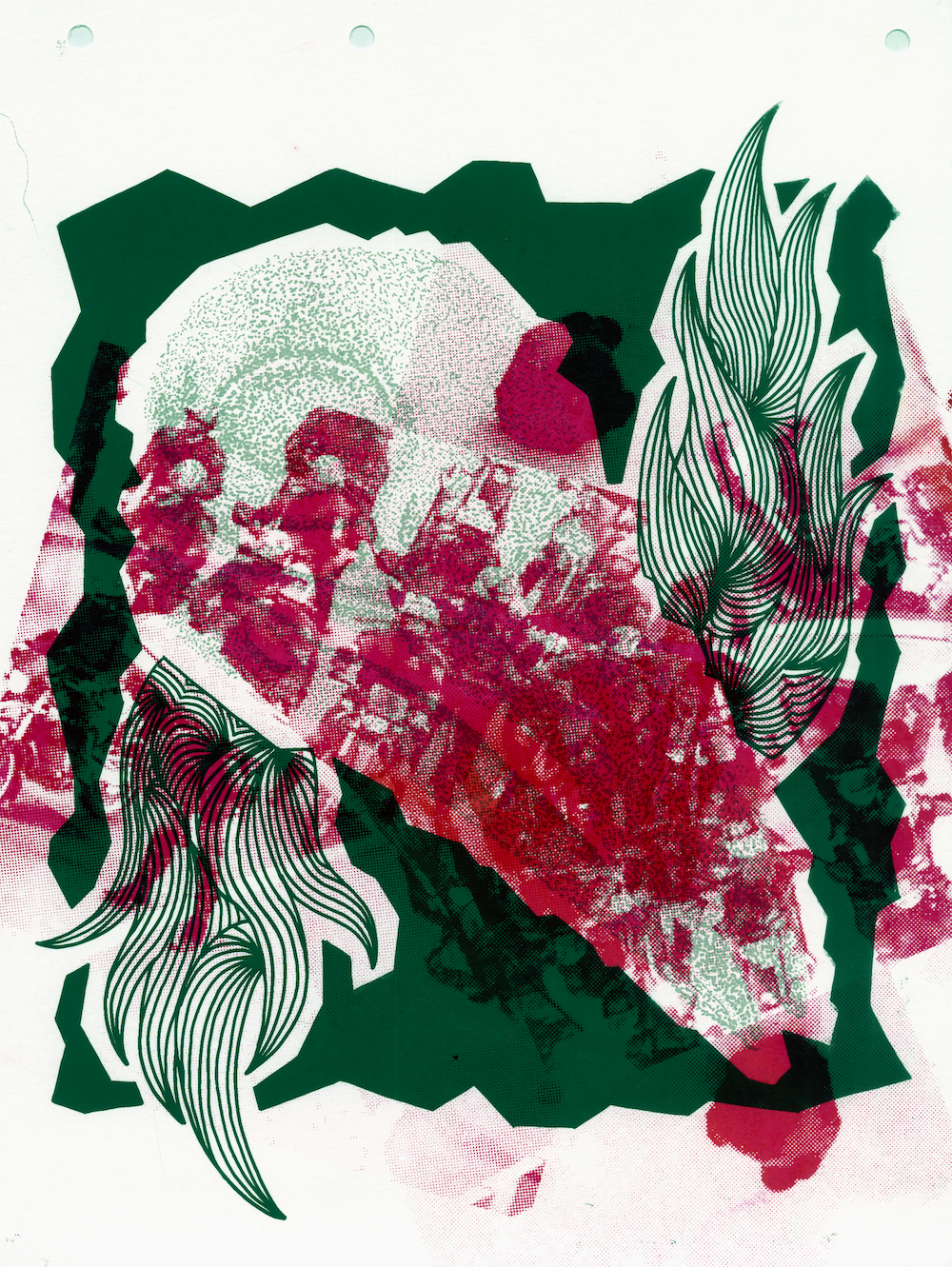
When not hauling material in from the backyard, I was back in my Seattle studio apartment, screenprinting a series of containers in my bathroom-converted-workshop. Each of these containers were imprinted with a collage of electrical engineering calculations (my father’s profession) and anatomical drawings from a vintage edition of Grey’s Anatomy to evoke the fragility of our own inner workings. These vessels became the framework for my own recollections, and carefully I filled each one with photographs, mementos, and every dark entry I could uproot from the journals strewn across my apartment.
For the first time, I had given artful reverence in honoring my father, one of my life’s greatest champions, with the same level of intensity I had given to my other works. No conventional funeral or memorial service could have done such a thing.
In September 2014, the Alki House opened its doors for a single evening, offering the surrounding community one last passage through its transformed rooms before they were gone.
When we opened the doors, the level of participation that would soon fill our creations exceeded anything we had anticipated. The community entered the Alki House with eager curiosity, interacting with the rooms we transformed in unexpected ways. The other artists and I stood back, watching in awe. At one point, one very curious soul couldn’t resist breaking open my delicately crafted containers. I couldn't bring myself to tell them “please... do not touch or disturb the art.” Instead, I watched in disbelief as my crumpled journal entries, many of which I had sewn shut by hand, were ripped open like gifts and read. For the first time, the darkest corners of my brain I had tried so hard to hide, even from myself, were out on display, examined by someone I didn’t even know. I was appalled. I was relieved? I cannot fully explain my confusion watching this take place, only that a part of me found some comfort in witnessing their release. What I had so carefully collected, sealed, and buried had found its way into the world anyway. Perhaps it always would have.
In the months that followed, the Alki House was demolished. Remnants of our installations lingered as haptic traces, folded into the final rubble.
Epilogue | Illuminating the past, present, and future on one experiential plane
The past is not to be seen and studied as an immutable object of knowledge, but to be fully experienced as a living thing: as a living plant or being that can overgrow and stunt or destroy the present, that can be cultivated and fructified, trained and pruned, so as to be of use to ‘life.’ —Nietzsche, Untimely Meditations
There is something sacred about the corporal experience of moving through space that can guide us, heal us, help us remember, help us forget. It pertains to our relationship to path, repetition, and order. We can build associations and hide them, bury them to forget them. We can build associations and revisit them, to relive them again and again.
Architecture, by definition, is a framework for collection and recollection. At its best, it recedes into the background, allowing humanity and sensory experience to take center stage. These spaces have the capacity to inspire, nurture, and heal; supporting the rituals of daily life and deepening our connection to the world around us. To be in a position to shape our built environments, the quiet scaffolding of memory, is a privilege, one that weaves our role as Architects into something more everlasting than the objects and spaces themselves.
Much like my thesis, where the negative space of a forgotten foundation became the framework for the exhibition of collective memory, I extracted the depths of my grief and made them tangible through the acts of collection and recollection. I formally planted them in a palimpsestic ritual of my own making, embracing the traces that shaped the present, as well as those that I hoped could shape the future.
Grief, like memory, is nonlinear and unpredictable. But I have learned that the negative spaces are not voids to be filled: the losses, the absences, the things left unfinished. They are the framework. Today I stand inside a life I could not have drafted from scratch. There is a dog named Bonnie who insists on sleeping between us, and a husband named Brandon who has learned to leave room for her. Some days, I reflect on how my father would have loved them both. That is more than enough. He is still here in the foundation of everything I have built since, quietly underneath, holding the weight, shaping the walls. This unexpected life is mine, and it is whole, and somewhere in its structure, so is he.
Sarah Kia is an Iranian-American architect living in Colorado with her husband and their dog, Bonnie. The daughter of Iranian immigrants who came to the United States in 1984, she grew up shaped by the long shadow of the revolution, and with the gratitude of living freely in a world her parents made possible. When she isn't designing, she can be found trail running, backcountry skiing, or capturing the landscapes she calls home.