Over the years, I have conceived of many versions of Kucheh Nameh in my head. These imagined literary spaces have had different names, different styles, and different audiences. They have all started with blank pages that I hoped would one day give way to words and art that celebrated our lived realities, broadened our moral imagination, and challenged the narratives told by those in power. I have written this letter over and over in my mind. And now that I see it before me in black and white, I realize that what I have been longing for my whole life has been a more just community—one that is expansive enough to see beyond the limits of shared identity, one that understands its place in the struggles and liberation of others.
“let us gather here – across borders, time, and memory – to tell truths, to question, and to reflect.”
A year ago, at the height of what later became known as the “Twelve-Day War” between Iran, Israel, and the United States, I was floundering through apocalyptic news updates, voice notes from terrified relatives, and the ever-increasing weight of my responsibilities as a working mother and wife. I felt alone. I panicked. I hugged my children. I sat with my grandmother as she cried. I made mistakes and forgot myself. I apologized for the things I could not control and the things I could. I wanted the earth to stop moving beneath my feet.
Days after the ceasefire, my best friends, Mina and Mahsa, and I gathered at Mahsa’s house, exhausted and searching for footing. Over cartons of Thai takeout, we talked for hours about our motherland, about what freedom could mean for our loved ones, about the deafening voices of the warmongering diaspora across the globe. Mina, who four years ago founded Kucheh Kollective — a collective of artists and activists working to strengthen community ties — encouraged us to join her tireless efforts, to channel our hopes and energies into nurturing our neighborhoods and communities. To me, a former journalist, that meant preserving, recording, and mining for stories. Stories about who Iranians are – from the mundane to the fantastical. Stories about life in war and life in peace. Stories about our roles and responsibilities in an increasingly fascist and violent world.
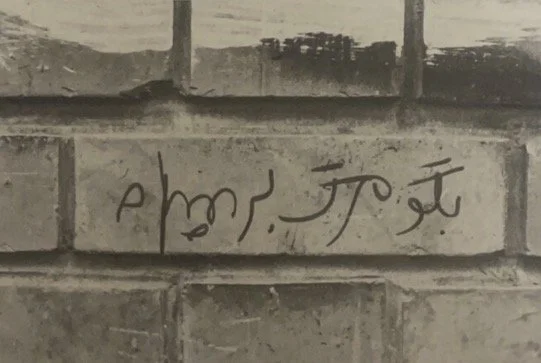
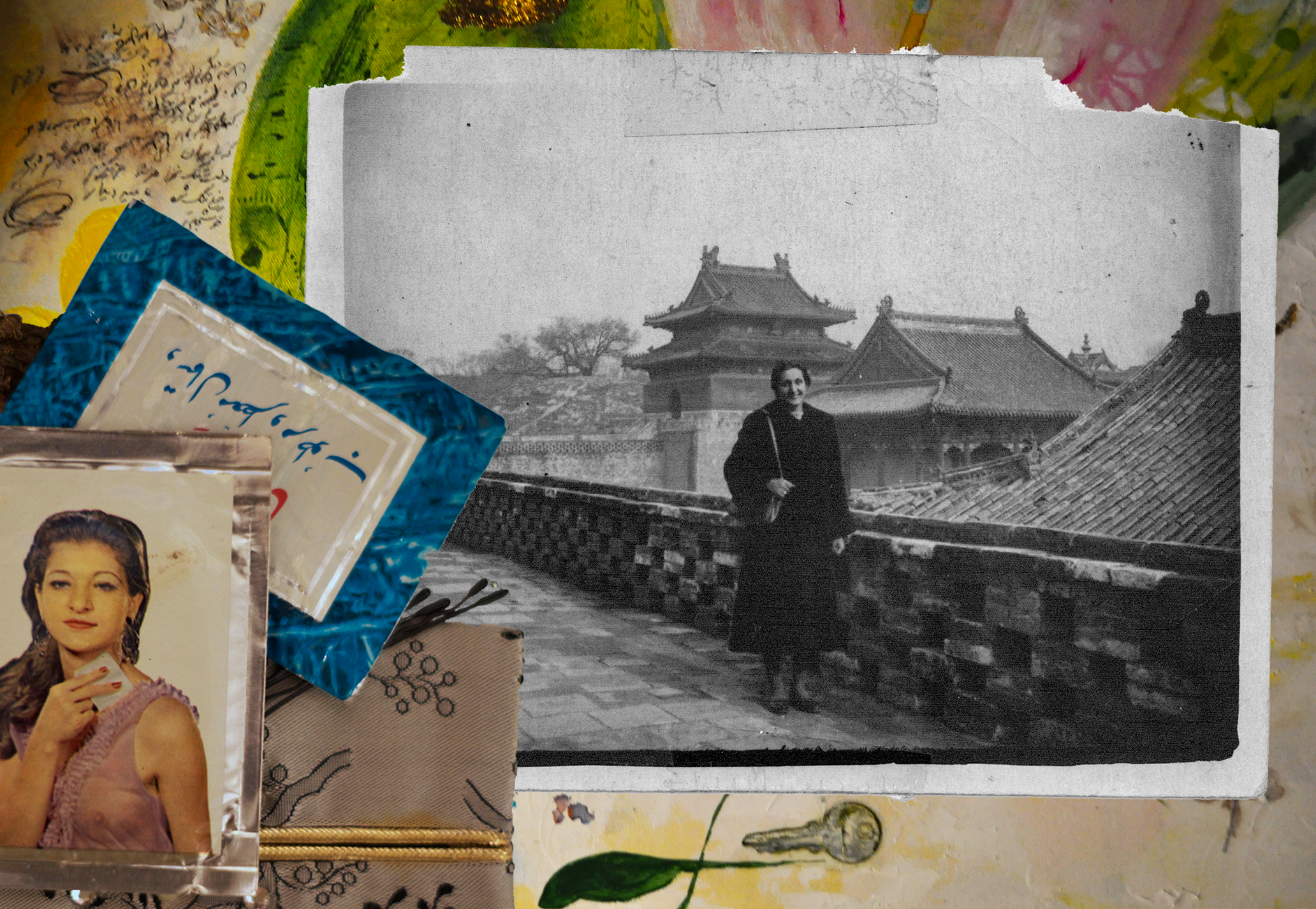
That’s when Kucheh Nameh was born, as a space for Iranians to reclaim and reimagine our narratives, to root ourselves in our stories, where we are infinite. For our first issue, we settled on the theme of memory because, as many of us navigated war from afar, our memories and the memories of our family members became both a refuge and, at times, a source of pain — bringing comfort, connection, and continuity, while also surfacing hidden or long-forgotten traumas. Through this issue, we sought to make sense of that tension and to explore the ways memory can shape resistance, document the past, and complicate our futures.
While most of our contributors and readers are of Iranian origin, we have built Kucheh Nameh as an inclusive space that also features writers and artists from communities whose experiences and imaginations move in conversation with ours. We believe all struggles for liberation are interconnected and that we can all learn from and challenge one another in our pursuit for a better, more ethical world.
So, let us gather here—across borders, time, and memory—to tell truths, to question, and to reflect. Let us preserve what has been silenced, challenge the systems that seek to destroy us, and see one another beyond the confines of fear and violence.
Rooted in stories, community grows. Be Kucheh Nameh khosh amadid.
-Elham
Elham Khatami is the editor of Kucheh Nameh. She has previously served as a journalist and editor at ThinkProgress and CQ Roll Call. Her work has appeared in Catapult, WIRED, Guernica, and other publications.