I said I’m not a poet.
A writer, but not the poet kind.
I know, I know. It’s strange to hear.
But I—I’m not a poet.
Yes, it’s how I started writing.
But poets, they’re insufferable.
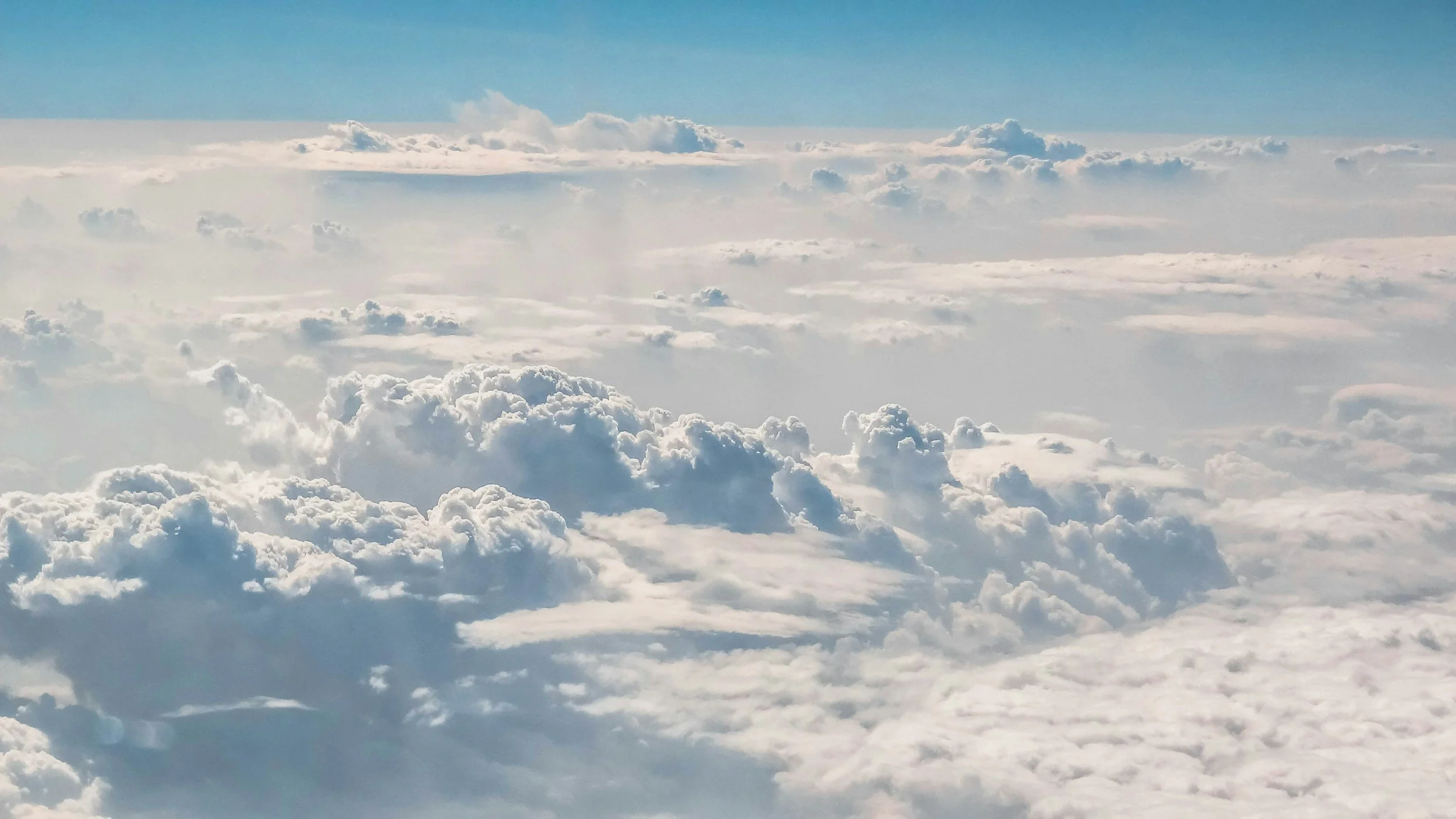
Head in the clouds.
Nothingiseverything.
Everythingisnothing
amemoryisalwaysofeverythingandnothing
Always all at once.
I don’t share that poetry started finding me.
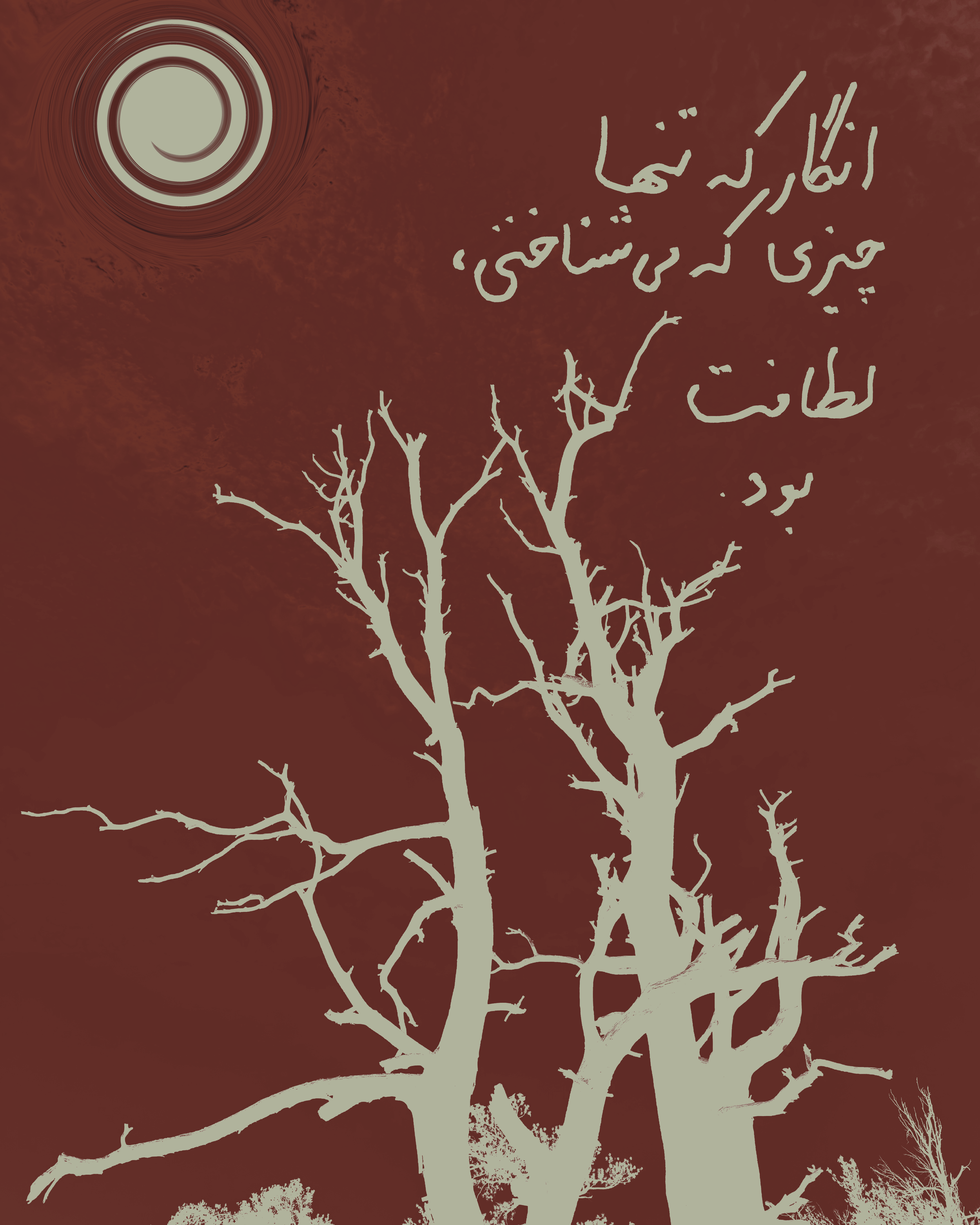
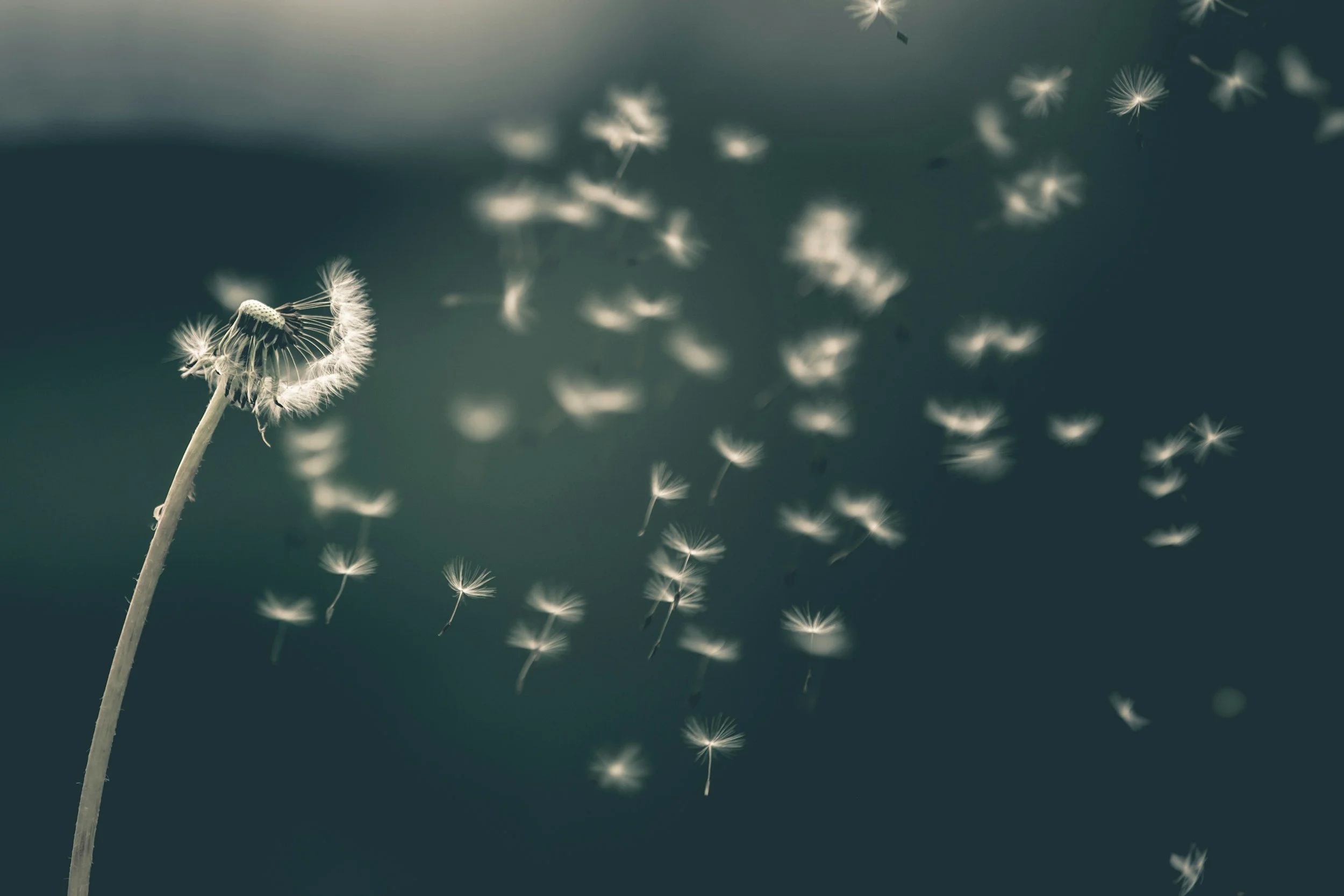
First in Akhavan’s voice calling for a dandelion:
قاصدک ! هان ، چه خبر آوردی ؟
از کجا ، وزکه خبر آوردی؟
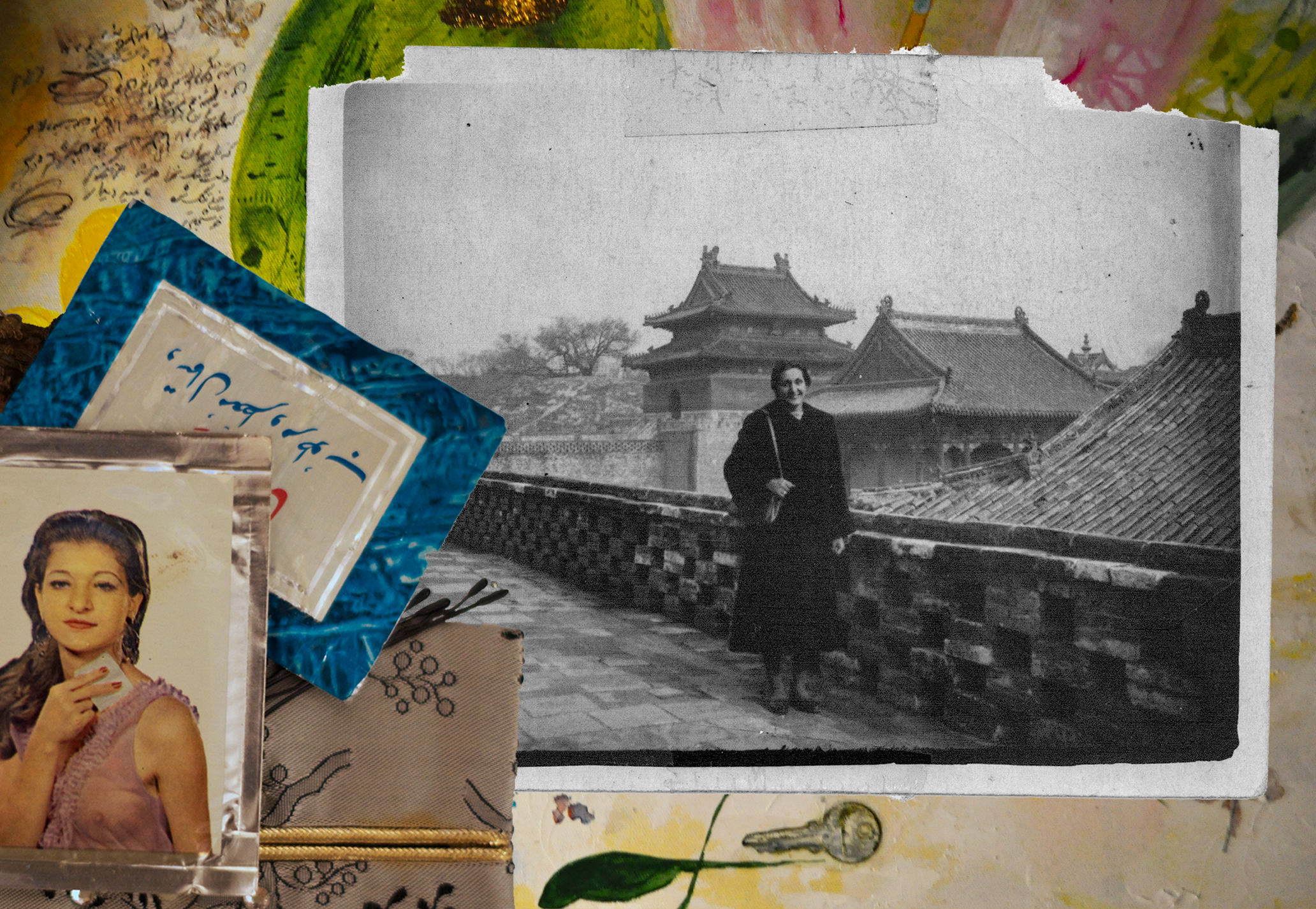
That my grandmother’s voice arrived, bristly
riding on puff all the way from home.
Poetry was finding me
so I flung myself down from the sky
into academia and locked the door behind me.
But then I heard myself say to the librarian what my grandfather recited to me:
O, you who lends a book—you are an idiot
But you who returns a borrowed book is even more of one.
And still behind the door, I heard my grandmother’s voice
over gurgles in the shisha’s glass belly:
The hookah is the only one who listens to me when I talk,
recites poetry to me while I wait.
Where are all of you? Why don’t you visit?
I realized there that poets and academics,
all want the door
To be everything
but a door.
I couldn’t be a poet
because turning nothing into something,
never became something enough for maman.
Poetry sounds like it can lift a sanction,
but it cannot reverse a sentence, stop a rumor,
grant clearance, stop arrests.
The academic said the door signifies estrangement.
The poet said the door is estrangement.
The doors were never the problem.
The people guarding them were,
They are.
And my essays, oh my essays,
Became so braided
fishtail, three-part, dutch, french.
“Stay with the image. Don’t leave so fast,” the academics said.
I am not going anywhere, I tried to say.
It’s just that I blink,
and when I do,
the world has changed.
So, I flung myself into the trails of Tamalpais.
Those familiar trails where I always smell of sweat, wet dirt, eucalyptus, citronella, and tuna and cheddar
I’m not a poet, but on those trails, I befriended my unibrow
when I realized she’s just another bird in flight away or back,
befriended my double chin when I saw her groove
as the skin of a sequoia.
Still when a breeze scintillates my goosebumps
I recite what Molana recited to my father who recited to me
گفت پیغامبر ز سرمای بهار
تن مپوشانید یاران زینهار
When I found love in a coffeeshop, I was reading Love Medicine
I told him, wanting to write is a curse
He recited what the fire said to the sugarcane it burned through
گفت: آتش بی سبب نفروختم
دعوی بی معنیت را سوختم
I thought perhaps I’d start this poem with my declaration
and by the end realize
that I am a poet or at least
surrender.
But no.
To say I’m a poet is to set myself in the expanse of
Sohrab, Akhavan, Foroogh, Molana, Aziz, Maman Joon, Baba Joon, baba.
I am but a tiny bruised cloud.
Like every poem, I don’t know how I’ve written this one.
It wasn’t by choice. It’s a splinter
that every Salaam I toss around in my mouth grates against.
That is, until it’s written out.
This just a poem
made of other poems.
Like my body,
and my memory of what home could have been.
When I brought new nothings into the world and made them something
I chose sky names.
All three girls I named after the sky
But not the day, the night.
One for the moon
One for the Seven Sisters
One for the longest night that beckons the light.
I wanted to be their center, for them to constellate around me.
I want to be their sun,
for them to shine when I am gone.
My grandmother sang them lullabies through the phone that were so sad
I heard them as elegies.
I am not a poet.
But when children of the night sky asked me, why is grandma sad,
I heard, what kind of tree will her mother’s body feed,
and I showed them how to pluck and chew a pansy.
Shokoofeh Rajabzadeh is a memoirist, scholar, and poet with a PhD in Literature from UC Berkeley. Her writing has been published in The Indiana Review, Literary Mama, Zyzzva, and anthologized in My Shadow is My Skin: Voices from the Iranian Diaspora, among others.