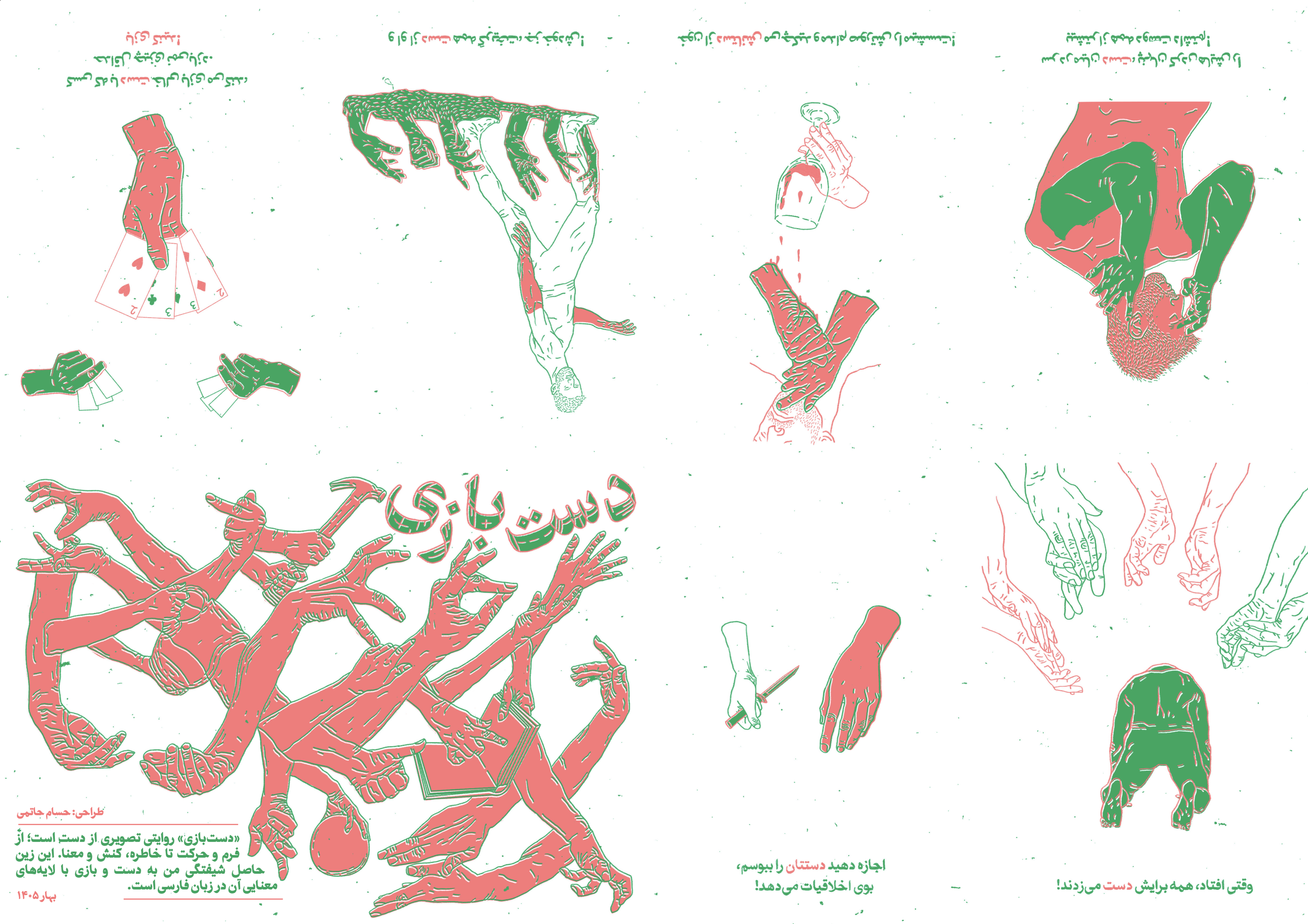
I get a message from Dave—he’s letting me know Adelaine is gone. I haven’t heard from Dave in months. Maybe longer. And it’s been years since I last spoke with Adelaine but I can call her to mind immediately: lips full and painted thick red. Shiny as a button. Her elegant polished nails and French accent. Parisian not Quebecois. Her joie de vivre. Her skin that always looked sun warmed, even in winter. Adelaine, Dave, and I used to be part of a group that played poker together once a week at Bistro 422, lovingly known to patrons as The Beast—a basement bar on College Street in Toronto. Every Thursday. And there was a time in my life when I lived for those Thursdays.
“The waist of my jeans felt too tight and dug into my hips and belly. I was shaped by an uneasy distrust of my own body: the shame of its weight, but also its desires.”
Dave and I were not part of the original poker group though. One evening, he and I and a few of our MFA classmates stumbled into the bar for cheap beer. I’d never heard of the venue before, but one of our group had. I don’t remember who. I didn’t feel I really knew my classmates that well then. I was still trying to find my place among them: poets, playwrights, and memoirists. Essay writers and novelists. Some of whom had already published acclaimed books. I felt an imposter: that I’d been admitted to the program out of pity or some clerical oversight, and now they were stuck with me. I absorbed the dim, warm light of the bar and was stifled by my shortcomings. At this point in my life, I was still living with an active eating disorder. The waist of my jeans felt too tight and dug into my hips and belly. I was shaped by an uneasy distrust of my own body: the shame of its weight, but also its desires. At any given moment, I was dating multiple men. Only men. I thought I needed them to see myself as anything worthwhile. I was an addict. The sobriety I’d find a decade later wasn’t even conceivable back then. I woke up everyday, vowed to do better, and failed. I was struggling with depression, anxiety, and OCD. I was unmedicated. I was young and knew how little I knew. I was a needy weed.
There was no safe place.
My classmates and I perched on stools around high, round tables that nuzzled close to the wall on one side of the bar. On the other side, there were lower rectangular tables with chairs. The space was shabby, but clean and longer than it was wide, with a walkway down the centre.
Closer to the back of the bar, around one of these rectangular tables, there was a group of people playing cards. I didn't notice them at first. They came into focus slowly, after a few drinks, once my mind slipped its noose. The group was chatting as they played. They nibbled on chicken wings and sipped from lowball glasses and pints of beer. Enveloped in a world of their own, unbothered by the noisy students around them. Immediately, I wanted in. Seeing that table of people, I felt a tendril of safety extended to me. Understand: I know this feeling had more to do with a projection of my needs than with any shared reality between me and the group. It had to do with the place: below street level. The Beast was the sort of bar you might miss if you weren’t looking for it. Its cozy obscurity encouraged a boldness in me.
This is the only way I can explain my audacity. How I sauntered up to the table and asked to sit with them and watch their game. I played poker, but my request had little to do with a love of cards. I wasn’t even a particularly good player. I just wanted. I just wanted to belong so badly.
I am in my 40s now. Looking back I can see that at least part of what made me feel comfortable approaching these people was their age. They were all older than me and rightly or wrongly, I assumed they were unconcerned with the superficial affectations of youth that consumed me. Adelaine, for instance. Adelaine with her red lips and immaculate sweep of short white and soft grey hair … she could have been in her 60s or 80s. It never occurred to me to ask. It wasn’t important. What was important was that I felt safe with these people. I could drop the pretence of being aloof and be someone more closely resembling who I was.
I also learned over the weeks that many of the group were queer. I didn’t understand I wasn’t straight yet. I thought I was only attracted to men because I was attracted to masculinity. I was repeatedly baffled when I found myself drawn to someone who wasn’t a man, but who presented as masculine, not understanding that being masculine—embodying the traits of that social construct—doesn’t mean one has to be born male. But whenever these attractions washed over me, I pushed them aside. Over a decade later when I would come out to my now husband—when I would say to him, “Matthew, I’m queer.” He’d laugh and say, “Hollay. You are probably the last person to know that.”
But I didn’t know that then. I wouldn’t have. I was still incapable of loving my body, and by extension bodies with parts like mine.
What I knew that night at The Beast was that I felt at ease with my new friends. I felt accepted if not understood. I never got the impression that they felt they had to understand me to welcome me to their table. I had sat there and watched them play many hands before they dealt me in. And then they dealt in Dave, who’d also joined us. When my stomach rumbled, Adalaine passed me a menu. I quietly admitted that I find it difficult to eat pub food. What I meant was: I’m terrified of feeding myself. Of becoming bigger than I already am. I don’t know whether Adalaine actually understood the full scope of what I meant, but she suggested a generous green salad topped with a barbecued chicken breast. A herb vinaigrette dressing was served on the side. It was delicious. At the end of the evening, they invited both of us back. Months later I’d realize that joining their game was not an invitation they extended regularly. In fact, in the whole time I played with them, Dave and I were the only two who were ever officially absorbed into their group.
If I try to pinpoint when I began to feel comfortable with my queerness, I trace it back to that bar on College Street. I trace it back to meeting my poker friends. How we huddled together underground in a place that would be easy to miss, if you weren’t looking for it. How the bar was small and cosy, though not claustrophobic. It would be difficult to feel lost there. Easy to feel seen. I never asked anyone about their experiences living through the horrors of the AIDS crisis in the 80s and 90s and how they found each other. I wonder if they met in a place like this. If the place seemed to find them first, as it did me.
For years, I would join the game at The Beast every Thursday night. Eventually, when I met my now husband, I would bring him on occasion. After my first child was born, I brought the baby to a game. He was only a few weeks old. Other players took turns cuddling him so I could play.
Without planning to, I stopped attending games. I had finished my graduate degree. I got a job on the outskirts of the outskirts of the Greater Toronto Area. I had another child, and would have two more after that. Almost 10 years later, a friend who still lived downtown told me the bar sold to new owners. The game dissolved.
I had no news of what happened to anybody in our group until that message from Dave about Adelaine. She was gone. I won’t say the other word. I’ll say gone. I’ll say she perished at sea on a visit home to France. She spoke often of how much she wanted to go back. While swimming on a sunny day, a wave had toppled her. She had a heart attack.
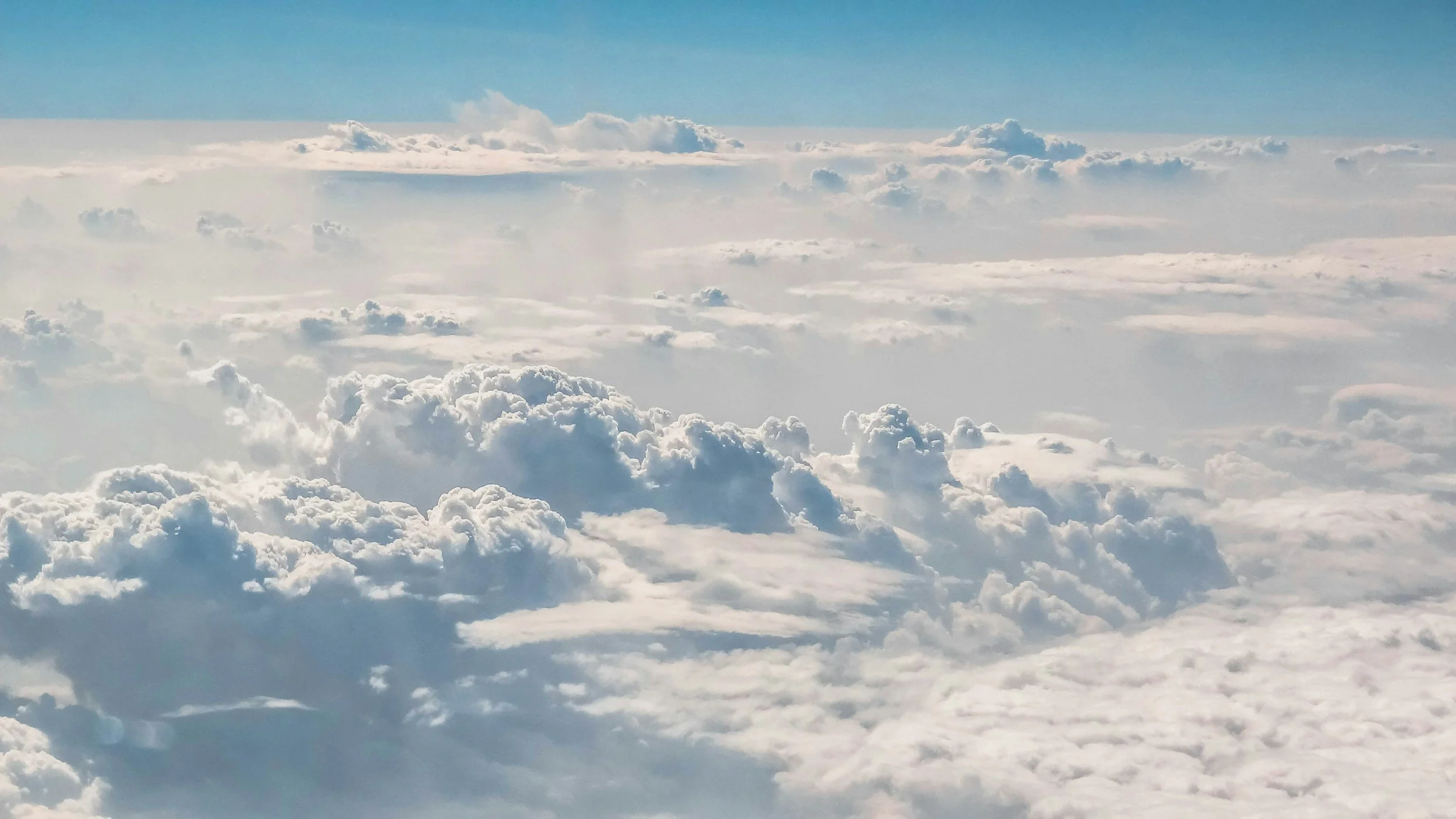
That’s awesome—I’d typed back to Dave, then clarified: I didn’t mean awesome in the modern usage of the term, but a more archaic understanding. I mean it fills me with awe: beautiful Adelaine in the sea, her red lips lifted to the sky. To white wisps of cloud. The fact that I had the privilege of meeting her—of meeting any of those people, at all. How awesome is that?
Hollay Ghadery’s memoir, Fuse (Guernica Editions), won a 2023 Canadian Bookclub Award. She is the author of the poetry collection Rebellion Box (Radiant Press, 2023), the short fiction collection Widow Fantasies (Gordon Hill Press, 2024), which was long-listed for the Toronto Book Award, the chapbook the blades of grass are dreaming (Anstruther Press, 2025), and the novel The Unravelling of Ou (Palimpsest Press, 2026), a finalist for the 2026 Giller Prize.