
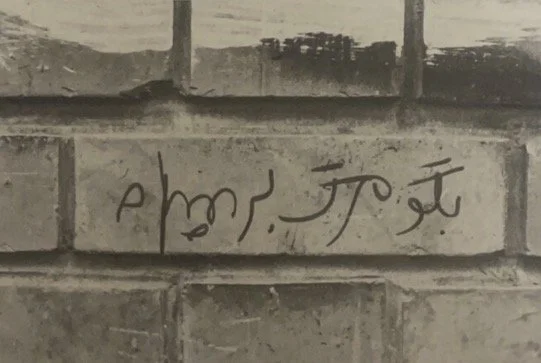
The walls speak. Now, they are asking me to speak as well. I enter an alley, often by mistake I turn right instead of left, in a foreign city. I was in a lot of foreign cities during the war, and once I saw a wall-writing telling me: ‘say death to the king.’ I am told to speak. I look around me. Is the listener waiting?
The wall is stretching a hand out and opening my mouth for once, instead of ordering it closed. I can hear the words forming in my mouth, but I instead feel trapped in the hull of a spiraled shell, one that closes in on itself in repetition. I’ve seen this image before.
I was taking a walk one day and saw one, two, three “Reza”s written on a wall, although the third one had only the “r” and the rest was a question. I see a potential for anagram. ضار. An unsettling anagramming, a micromovement of the words, a near leap into something else. It’s so close to turning into something else, convulsing into a nexus of historical process and landscape. Contingency lies in the palm of my hand, but it’s so sweaty it slips right off again.
“The wall is stretching a hand out and opening my mouth, for once, instead of ordering it closed.”
Wall-writing or graffiti? Graffiti is usually a critique written in hiding, but for a public forum. Half the point is there not being an author, you can’t reveal who you are. Then it becomes about the message and its spreadability. But also the erasure. Often the emptiness speaks louder. I wonder, instead, what did they mean to write? When they erase, it’s a new layer of spray paint on top. Sometimes there’s so much erasure it bleeds, the spray paint trickling down from the censored message. What’s the message now?
Diba TajAbadi is a creative researcher, writer, and gatherer based in Iran. She's working at the interstices of embodied research, writing, organizing, and publishing across her given (Northern Europe) and chosen geography. Her work is drawn to spontaneous projects and explores ideas of (post)nature, counterarchiving, mapping, migration, and subversive tactics.
The walls speak. Now, they are asking me to speak as well.
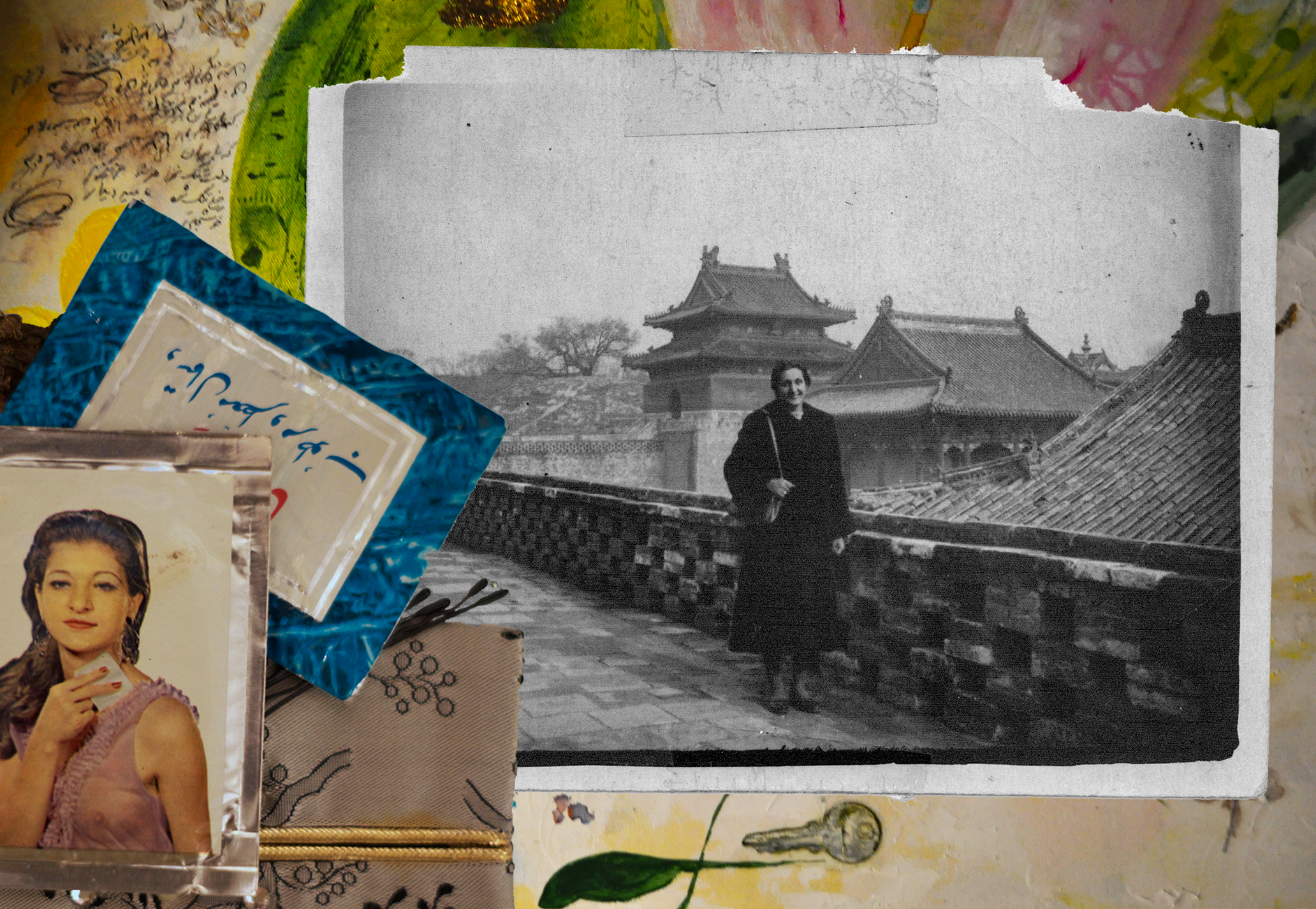
A grandmother, but also something more—the balance, the fixed point one can return to with every turn.
There’s a pain in the heart as if it’s sore from walking too far past mountains,
looking for another cavity to beat in
My country, though I wasn’t your birth-child
you still folded me in
where I took root
Tell me your name
so I can write it in the blank lines between stars
جنگ که شروع شد، من تقریباً هیچ کاری نکردم جز ماندن. نه قهرمانی در کار بود، نه فرار، نه پناهگاه، نه حتی اضطرابی که بشود اسمش را ترس گذاشت.
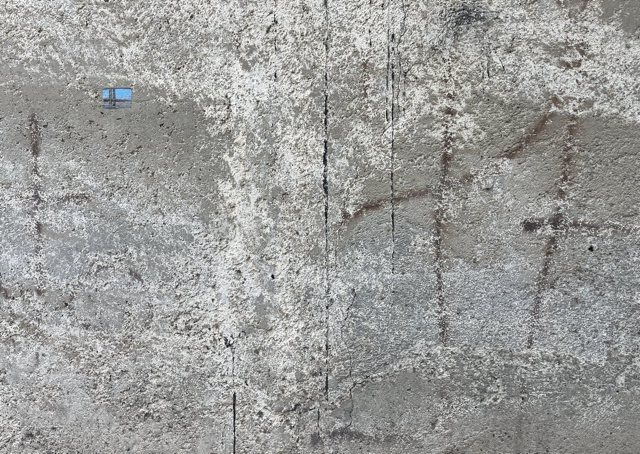
This body of work navigates the paradox of holding on and letting go, preserving fleeting moments of home while accepting their inevitable disappearance.
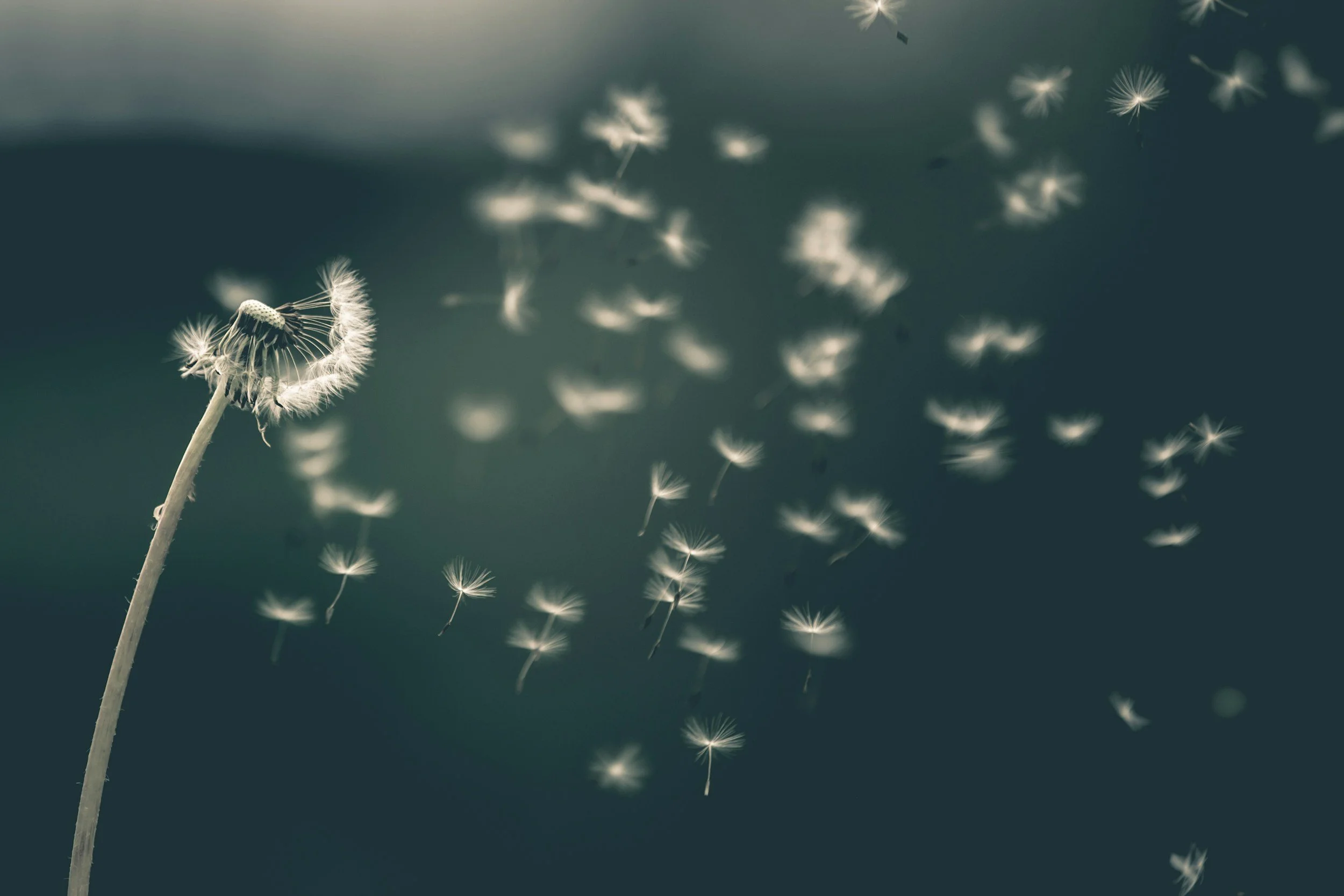
I said I’m not a poet.
A writer, but not the poet kind.
I know, I know. It’s strange to hear.
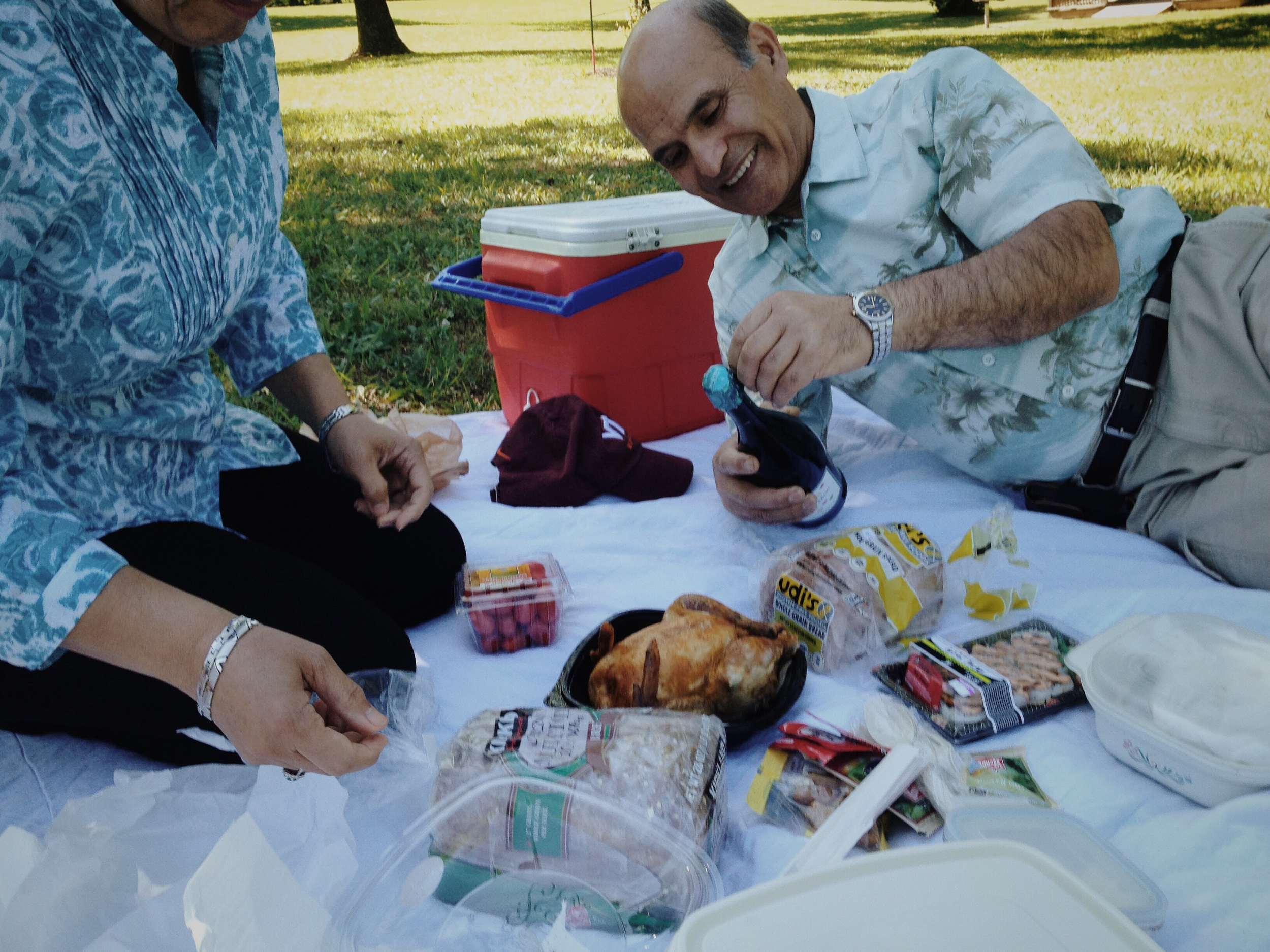
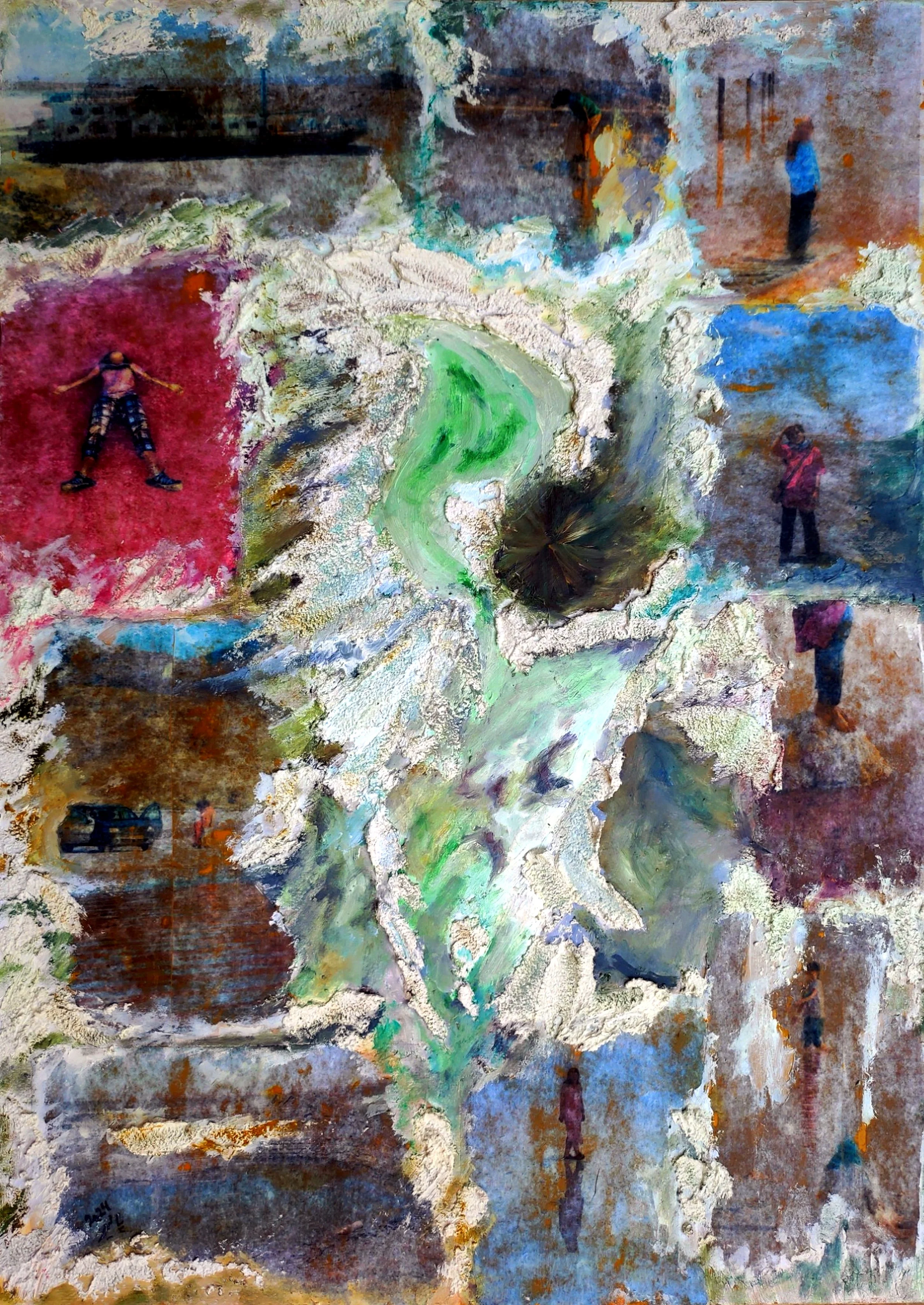
The act of collecting enables us to reframe context and create an entirely new composition.
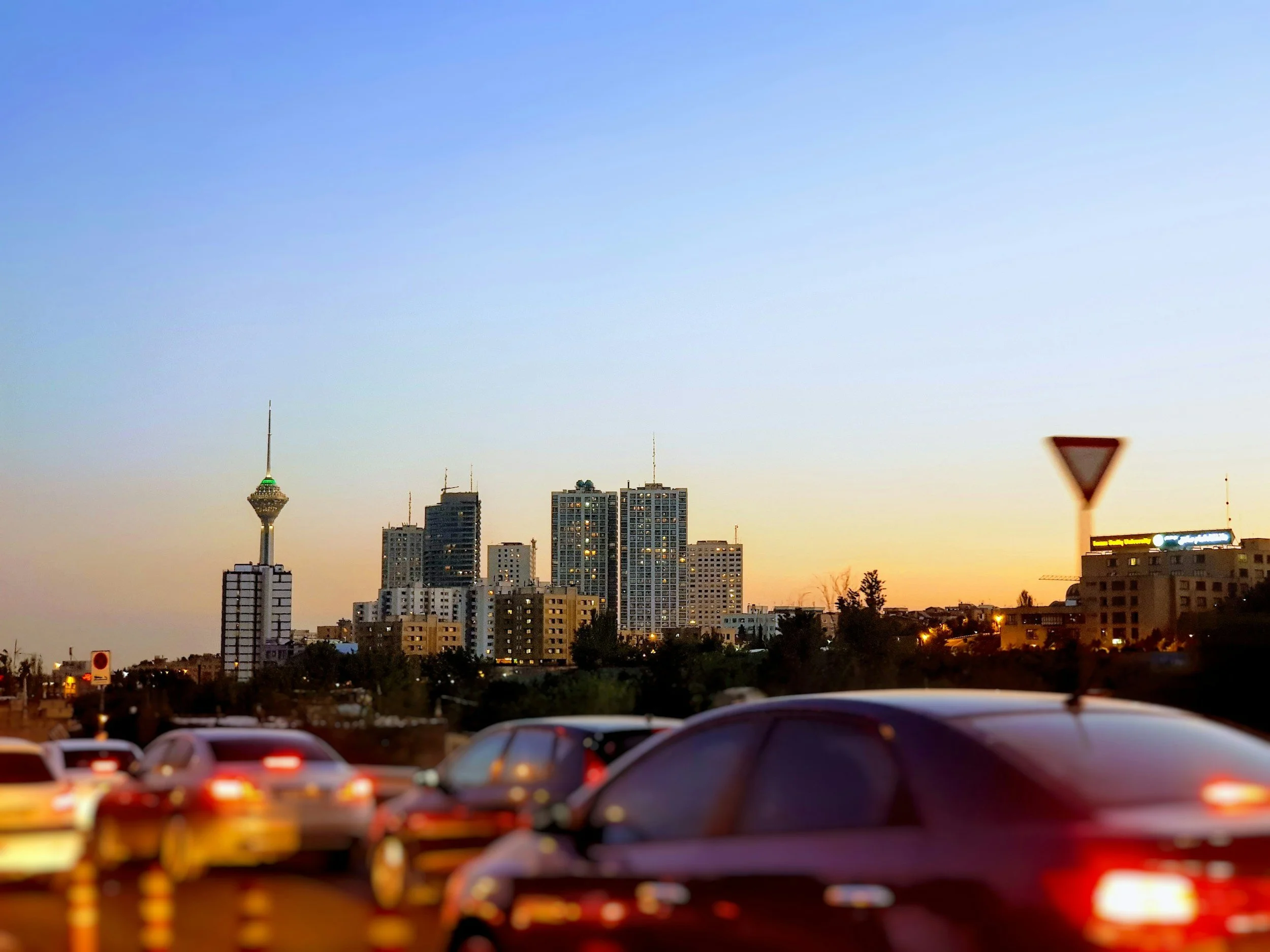
از ساختمان سفید سنگی که بیرون میآیم، لحظهای متوقف میشوم. چشم میدوزم به برچسب ویزا که وسط گذرنامهام جا خوش کرده.
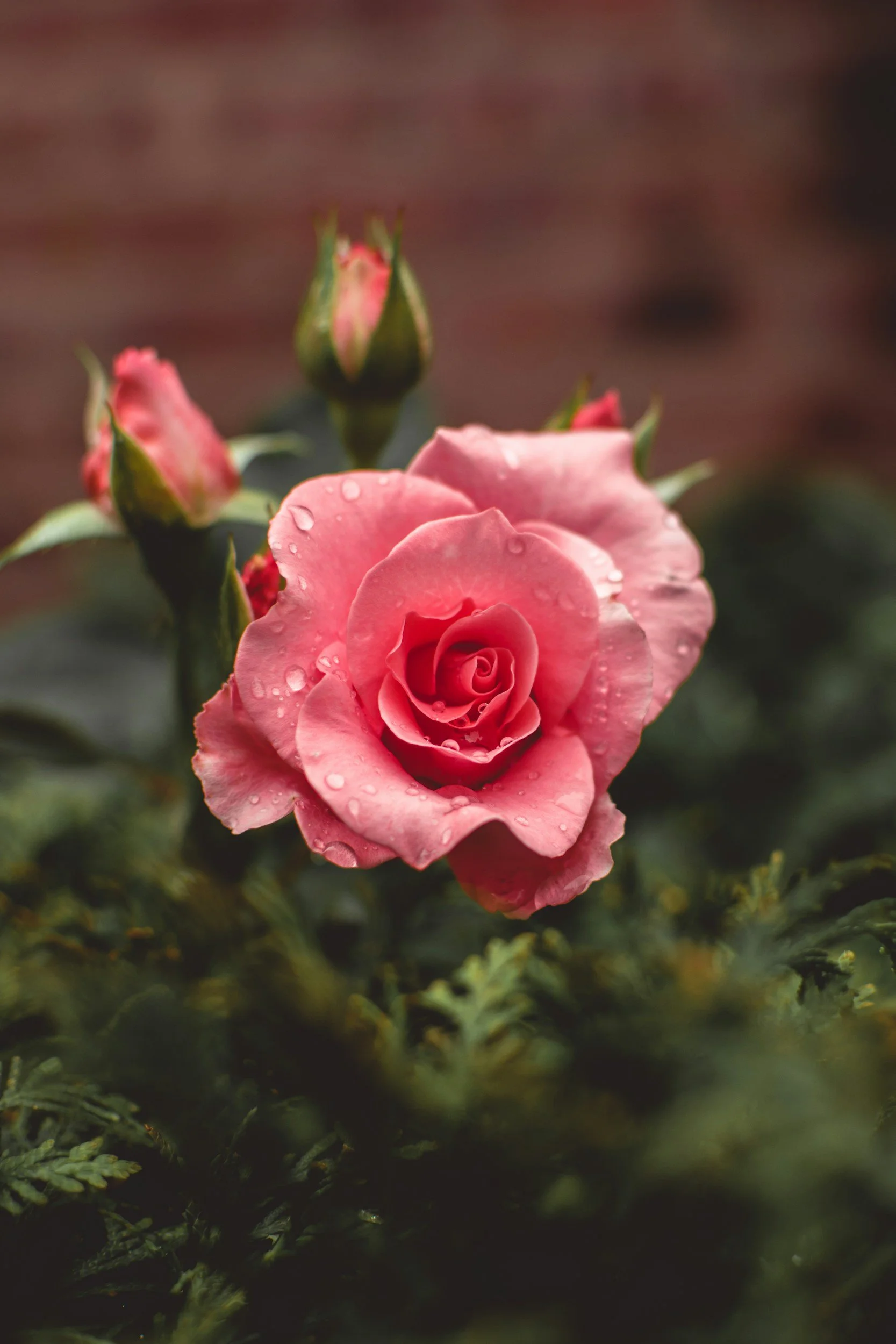
Mother who nurtures you
in one gesture weans you
and cradles the world.
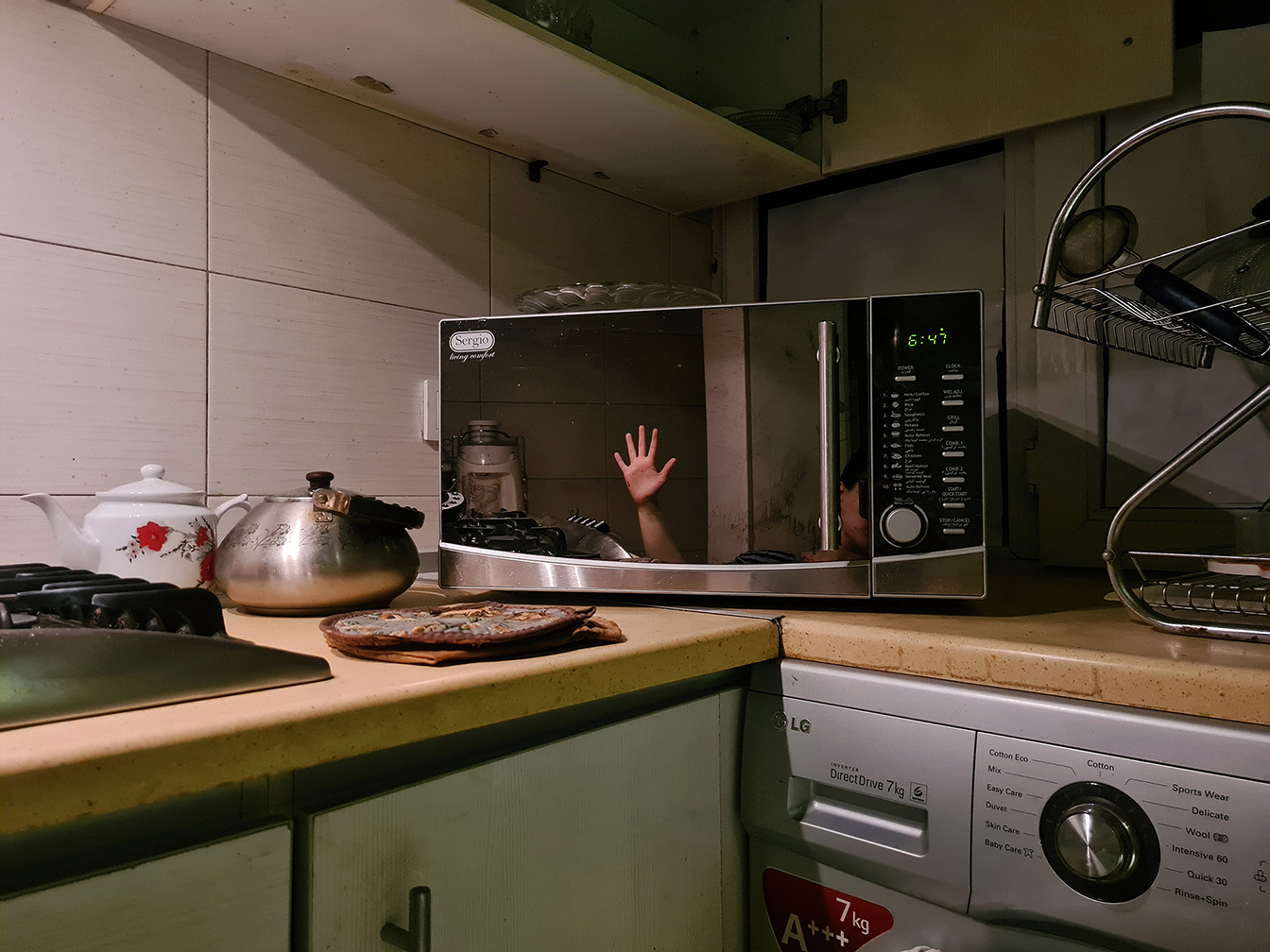
با نگاه به عکسها خاطراتی از لحظات آن زمان برایمان تداعی میشود که دیگر قابل تکرار نیست ودر واقع این عکسها هستند که آن خاطرات را جاودانه کردهاند. در اینجا با تأکید بر همین موضوع لحظههایی از زندگیام را ثبت کردهام که با دیدن آنها میتوانم خودم را در عکسها پیدا کنم و روزهایی را که سپری کردهام به خاطر آورم
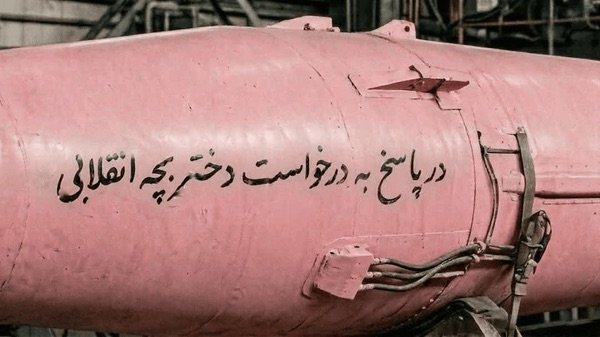
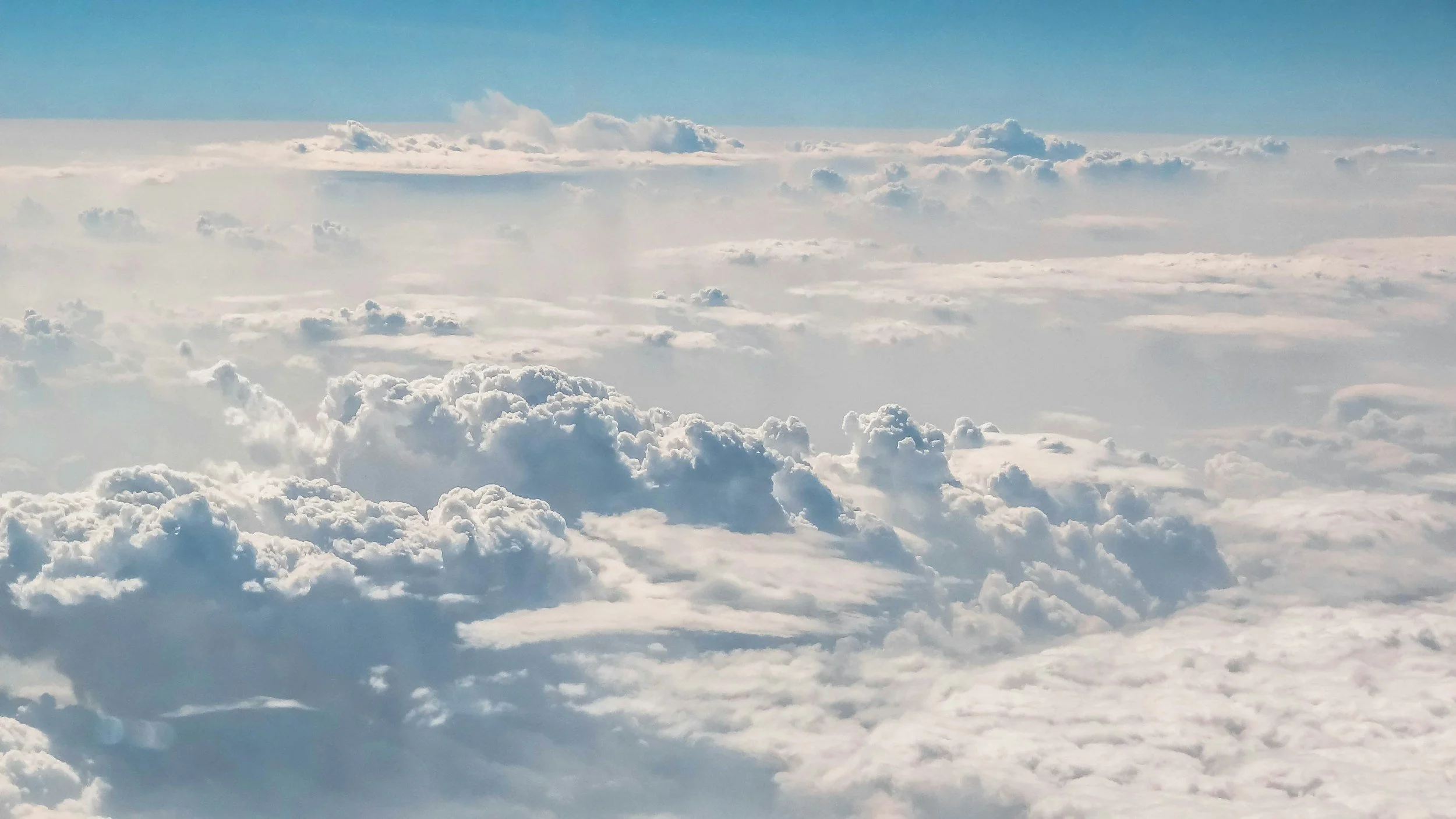
Lost in the cloud of the internet blackout, a black cloud that has been hanging over the Iranian plateau since January, anything becomes internet.
All throughout the blackout, I would screenshot any picture and video coming out of Iran which sparked familiarity even if I had never been to the area depicted.
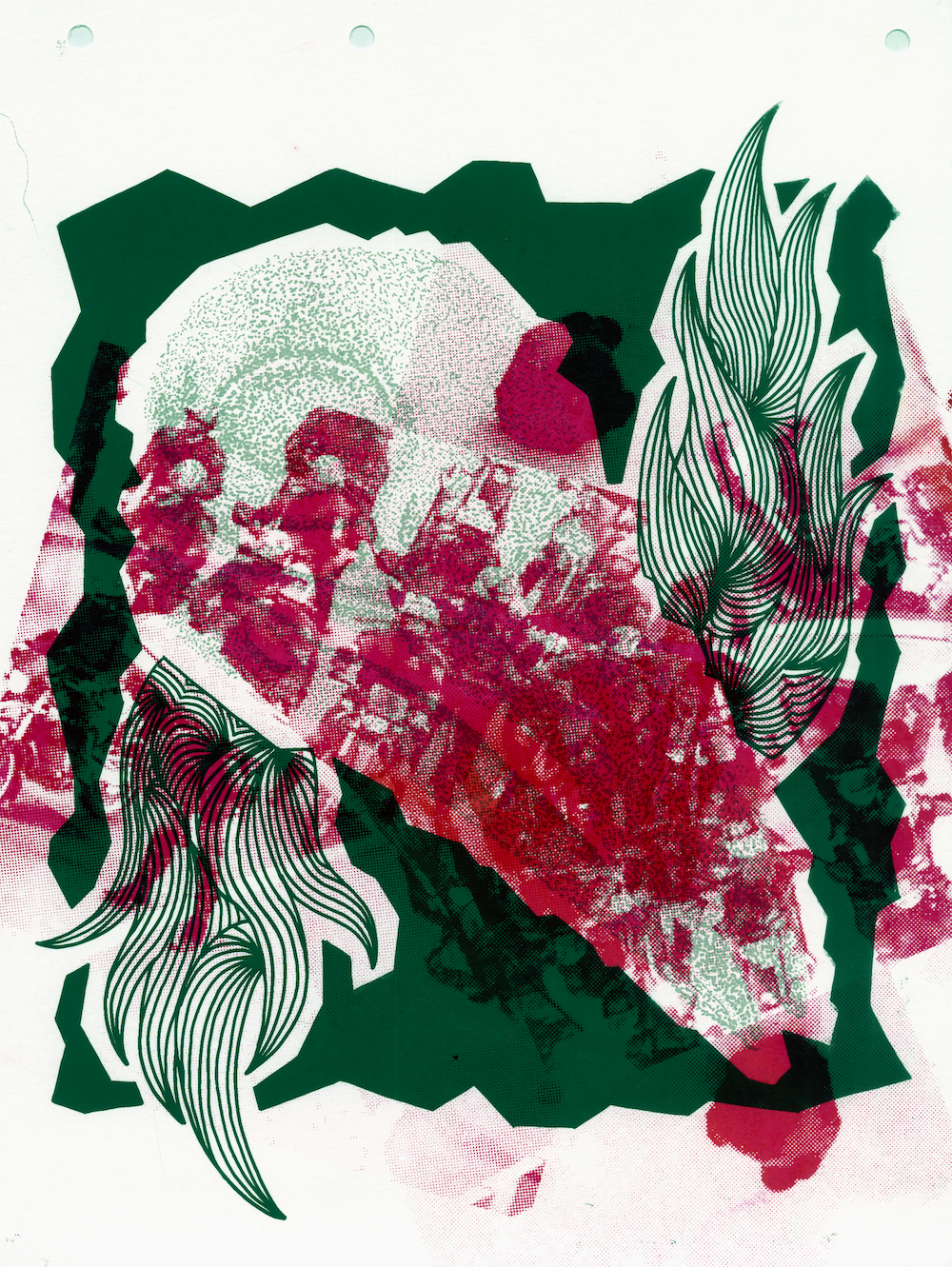
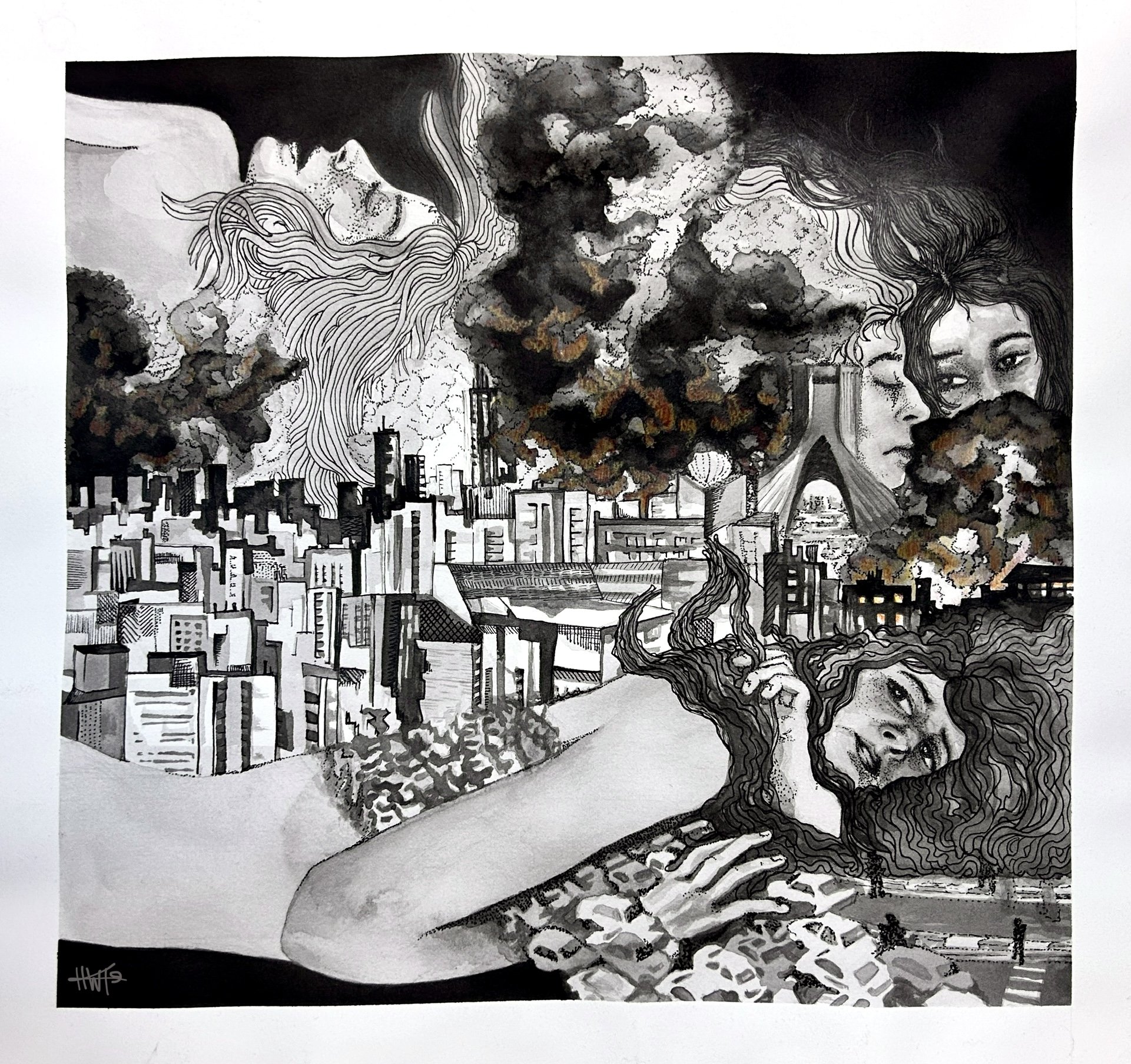
It was only January. Ears could hear the seething wind through faintly yellowed cypresses standing starkly in the vast nothingness of the plain that was keeping poppies hidden under layers and layers of white.
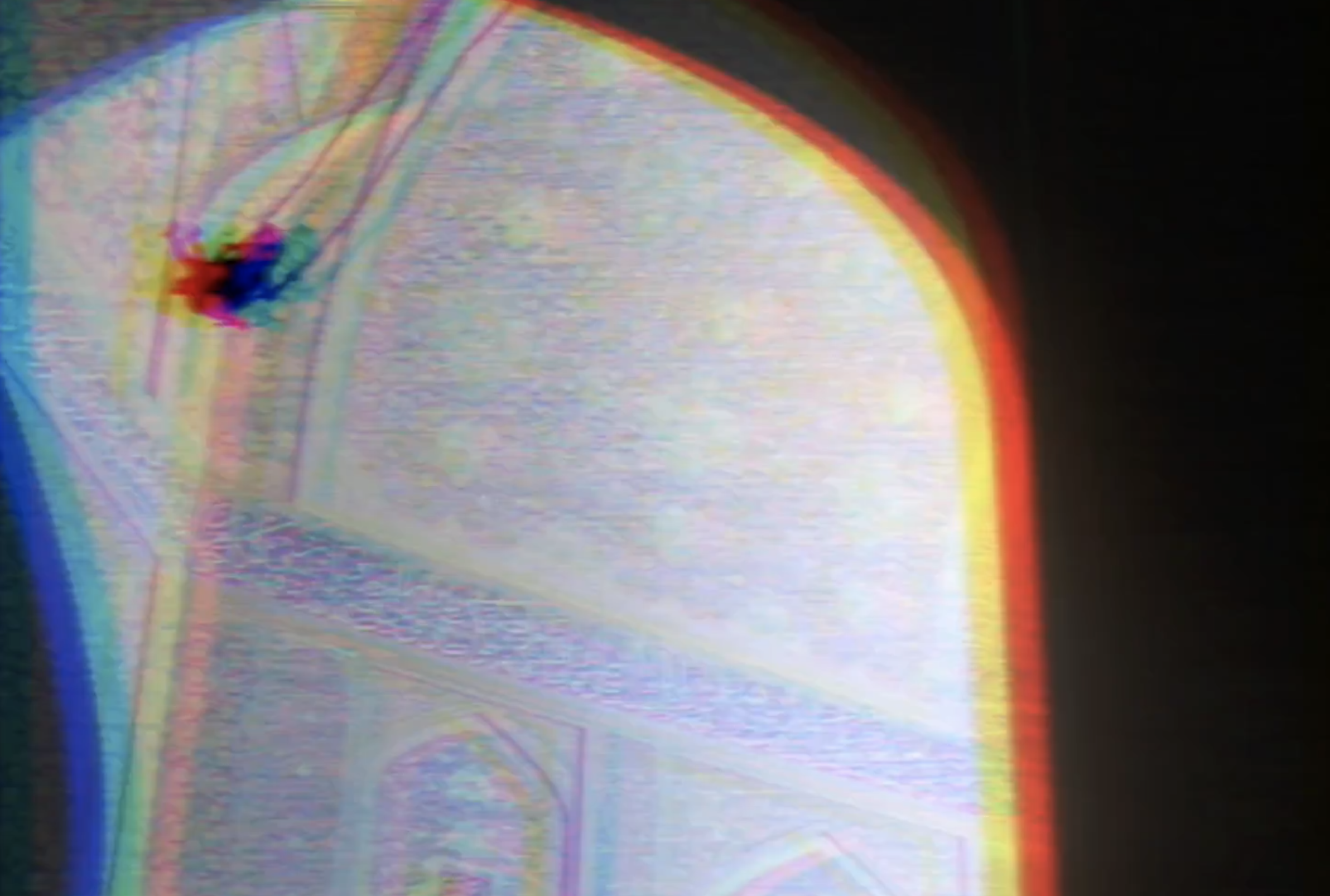
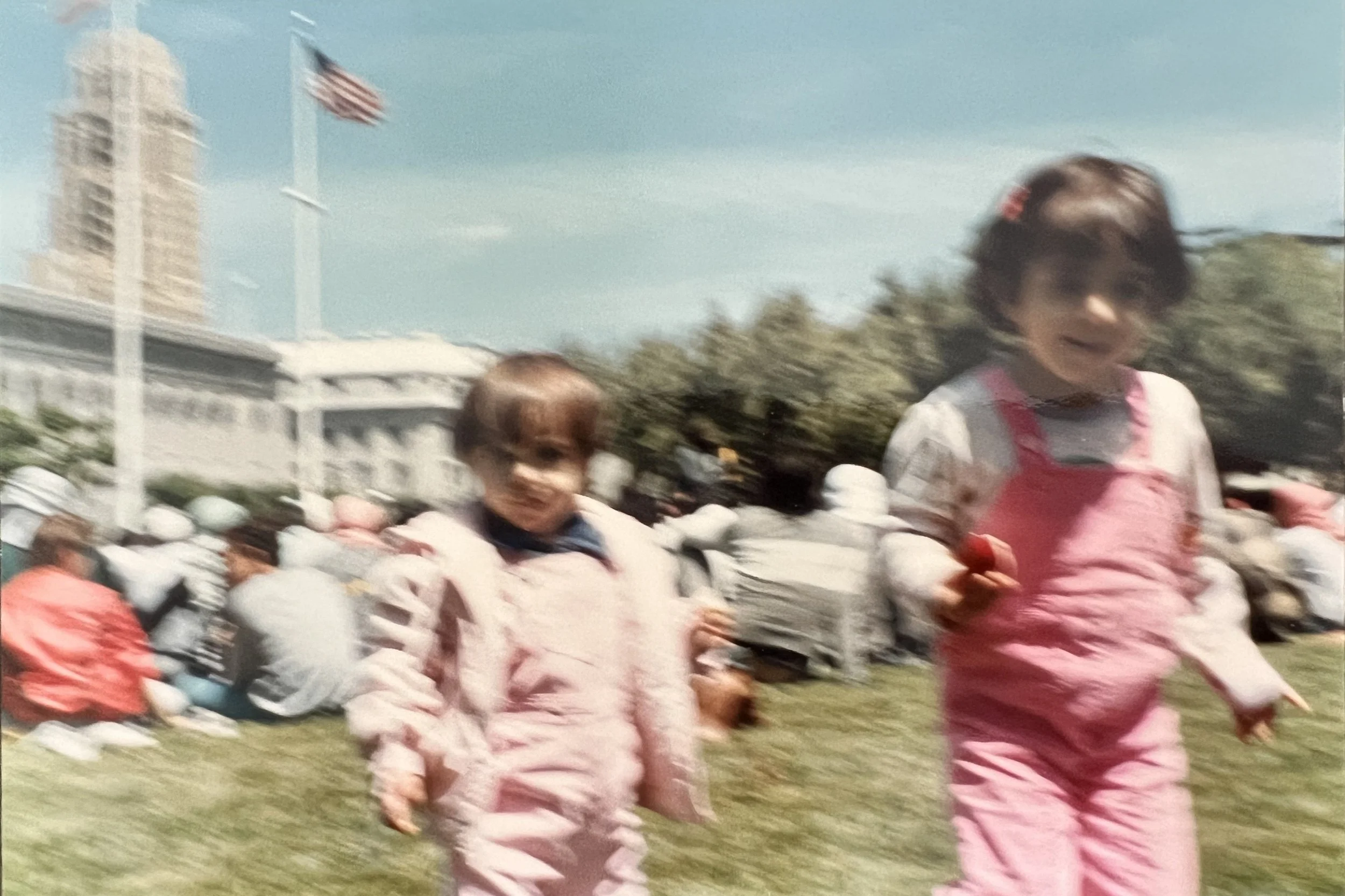
I recall the past to untangle the present, to understand how glimpses of possibility and promise can be muddied by forces outside of our control.