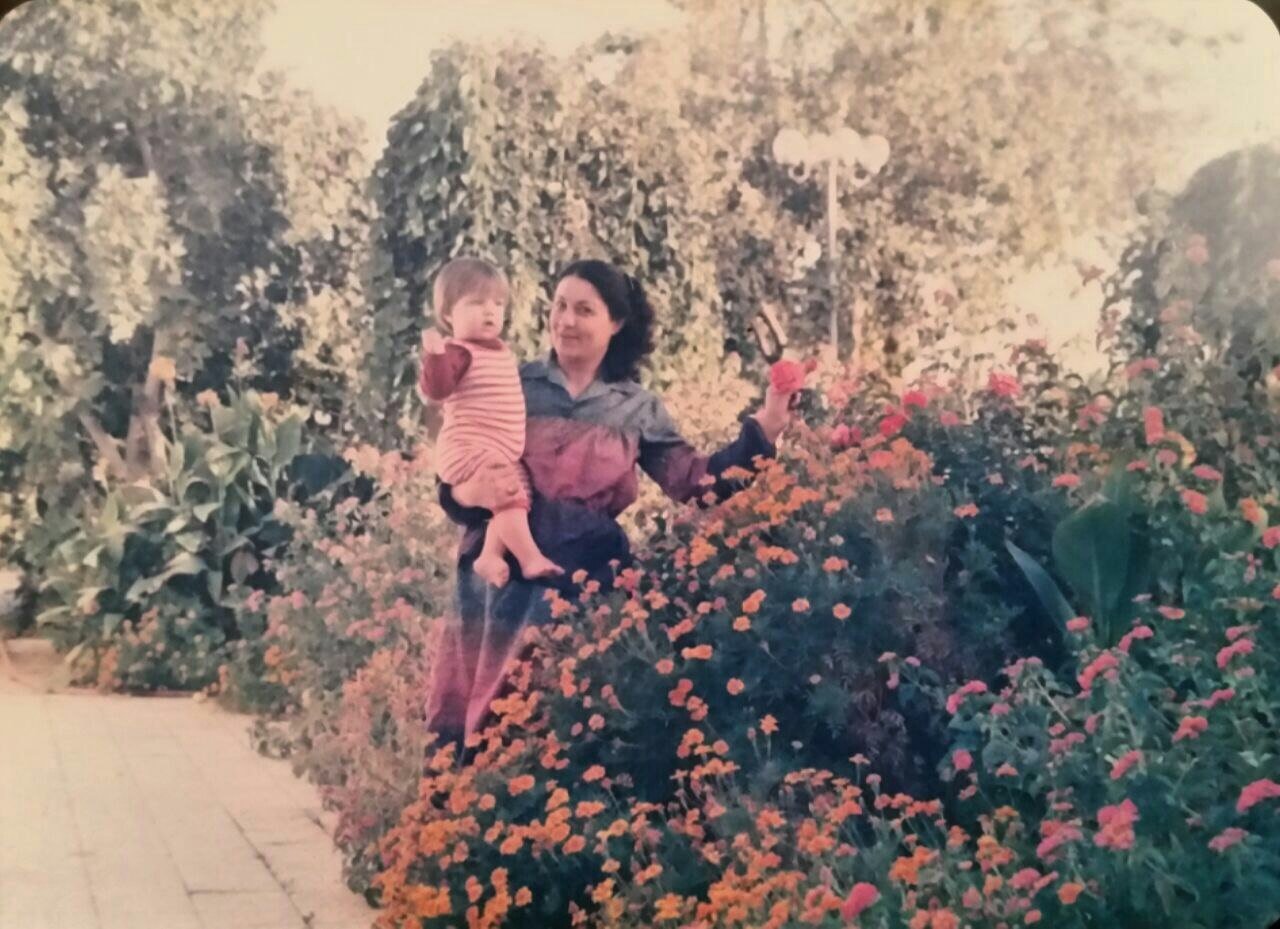
Before I became a mother, I had already watched my own mother become one twice over. As a preteen, I witnessed her pregnancies with my younger sister and brother, and I marveled at the way her body changed. Her once-hollow cheeks filled out, and she carried herself with a new ease. She had always complained about being too thin. During pregnancy, she appeared to relish the weight and softness. One afternoon at the pool, I waded into the water and watched her blue, nylon-wrapped belly float and bob above the water. She looked so peaceful and content.
“Perhaps that is why the body is such a difficult thing to write about. It is at once familiar and hard to understand. We know our bodies best, but we also can’t help but see them through the eyes of others, through the expectations placed upon us by society and family, through the touch of a loved one, through state violence or restrictive borders.”
My own experience of pregnancy was different. I didn't mind the weight gain or the physical discomfort, but I struggled with the feeling that my body was no longer entirely mine. There was another person inside it, making demands I couldn't anticipate. When my son was born, I felt an enormous sense of relief. My body had been returned to me. At least, that was what I expected.
Throughout my pregnancy, friends had reassured me that my body was “built for this.” I took comfort in the phrase, though I hadn't really considered what it meant. The answer to so many of my anxieties seemed to be that my body knew what to do, that its instincts would take over when the time came. We brought our son home, and I waited for my body to do its job. But breastfeeding was painful and difficult. My son struggled to latch, and I spent long stretches pumping, nursing, and trying to work out what my body was supposed to be doing. The serene images of motherhood I had absorbed from magazines and Instagram bore little resemblance to the experience of sitting alone in bed at night, dreading the next feeding, or icing a clogged duct in the corner of the room while the rest of the family enjoyed the baby I was trying so hard to nourish.
During those months, I thought often about how easily my mother had seemed to nurse my siblings. She had taken a manual pump to work, using it in a bathroom stall every few hours. At home, she sometimes fell asleep breastfeeding, a baby tucked against her side. After my brother's emergency Cesarean, she carried a crooked vertical scar beneath her belly button, a mark left by a hurried surgery that had nearly gone terribly wrong. As a child, I knew the scar as just a part of her body. I had curled into her body for comfort so many times, without giving much thought to what it had endured.
Becoming a mother myself made me see those familiar details in a different way. I began to realize how much of my understanding of motherhood, and of my own body, had come from watching hers. We inherit more than our mothers' physical features. We inherit ways of inhabiting our bodies. We inherit ideas about beauty, femininity, modesty, sacrifice, and what a woman's body should be willing to give. These lessons build through observation, through passing comments about weight and appearance, through the way women speak about themselves, through what they hide and what they tolerate. By the time we are old enough to question these ideas, it can be difficult to distinguish what we have learned from what we actually believe.
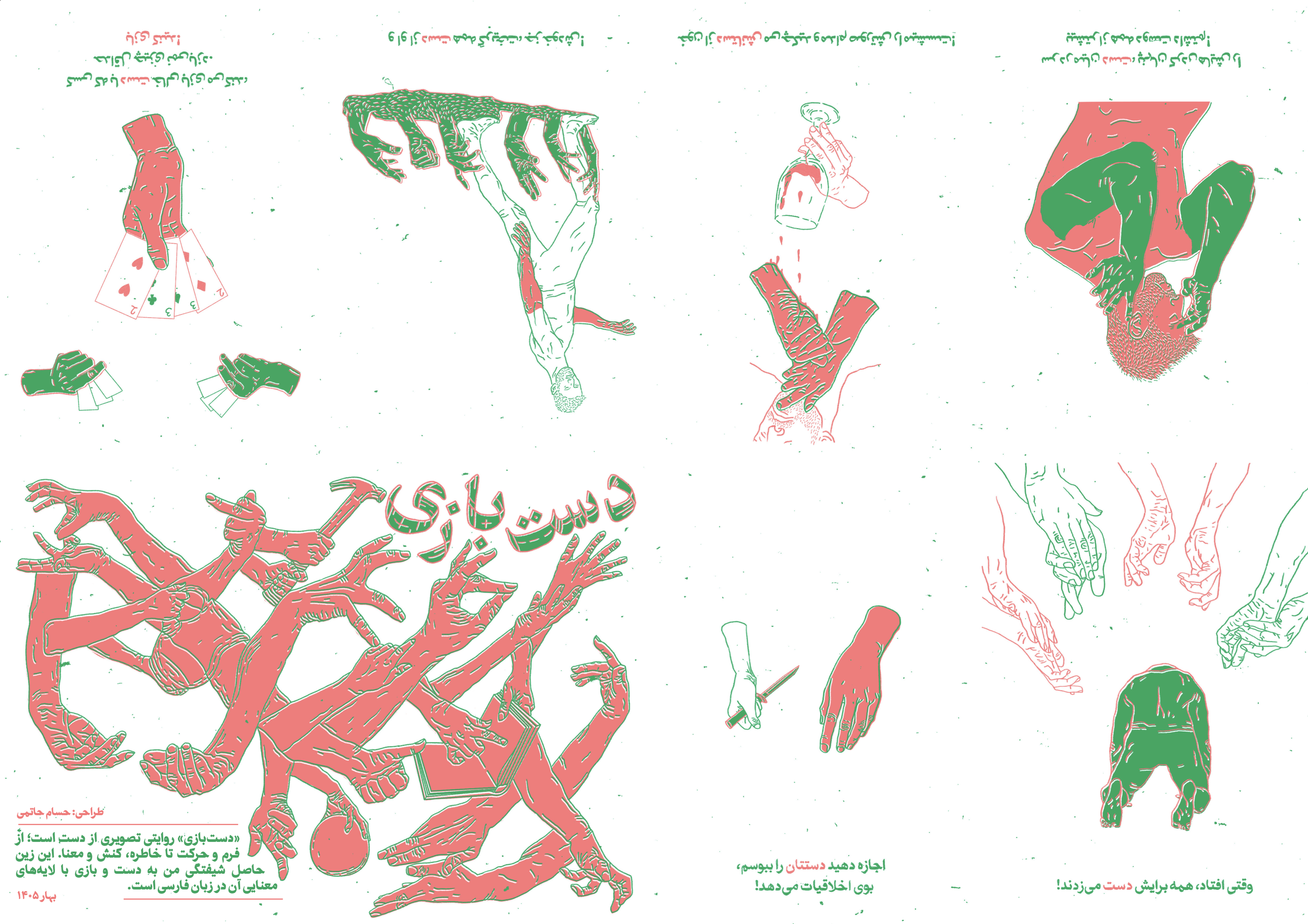
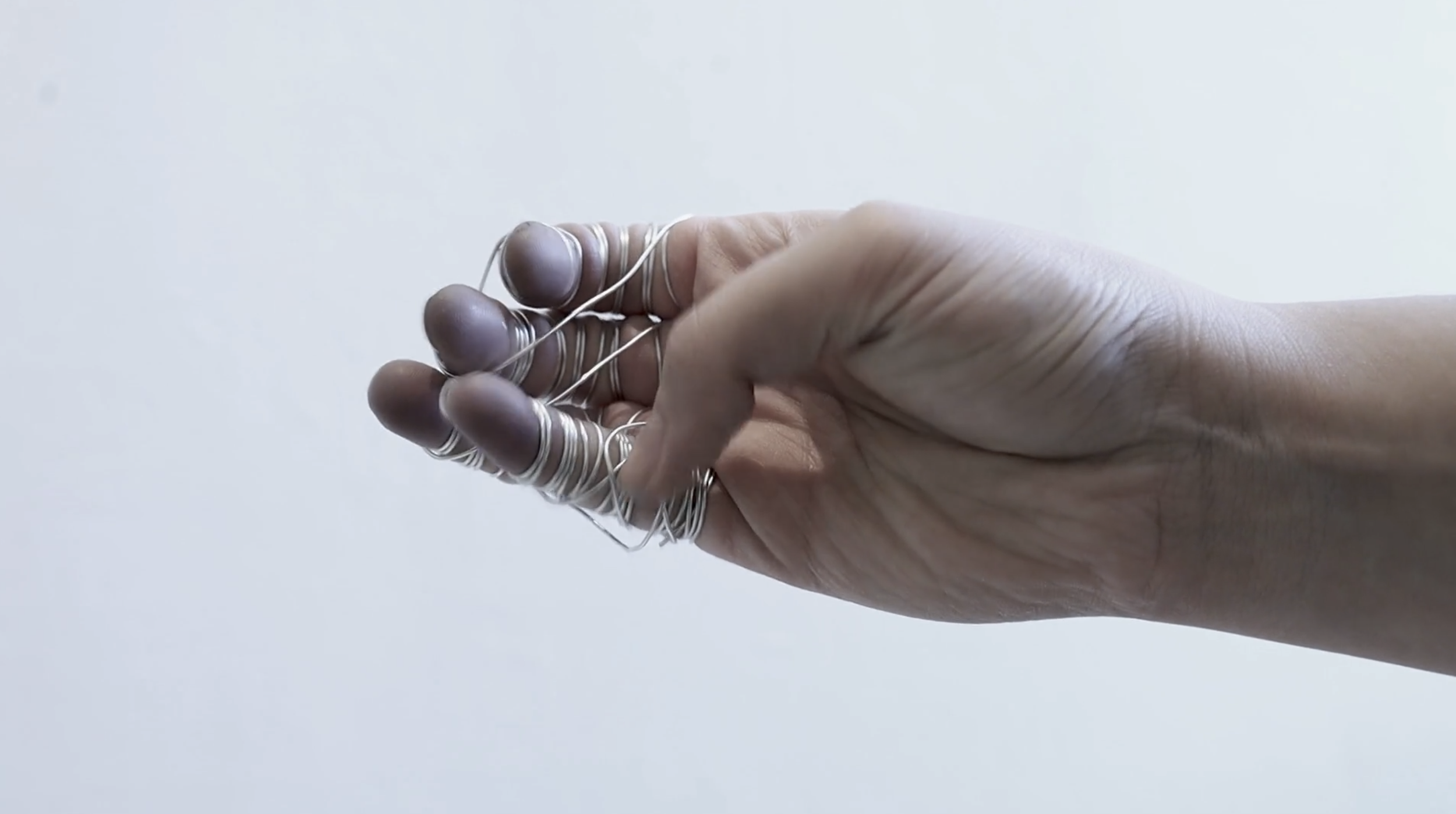
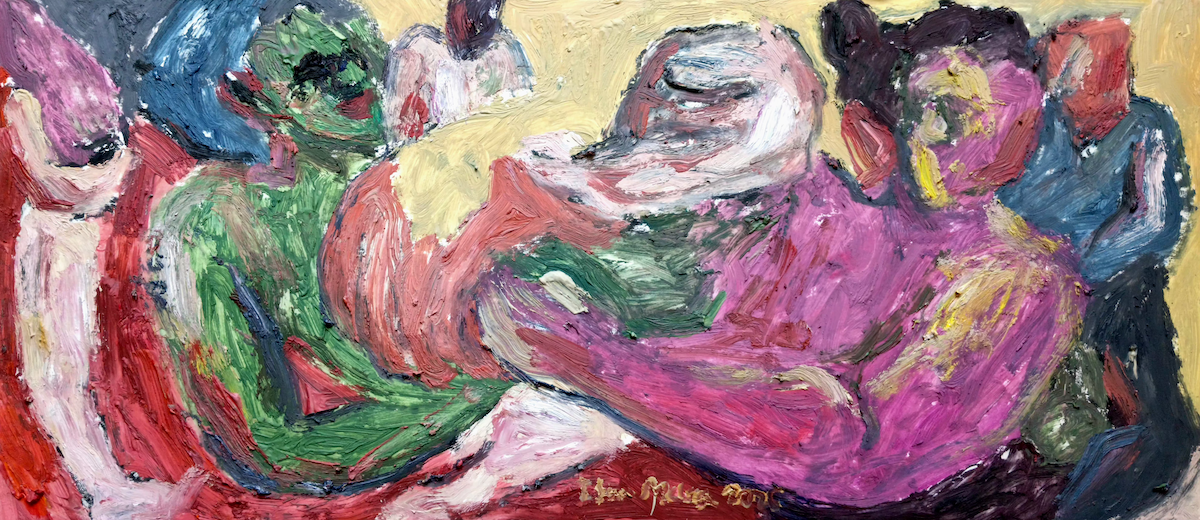
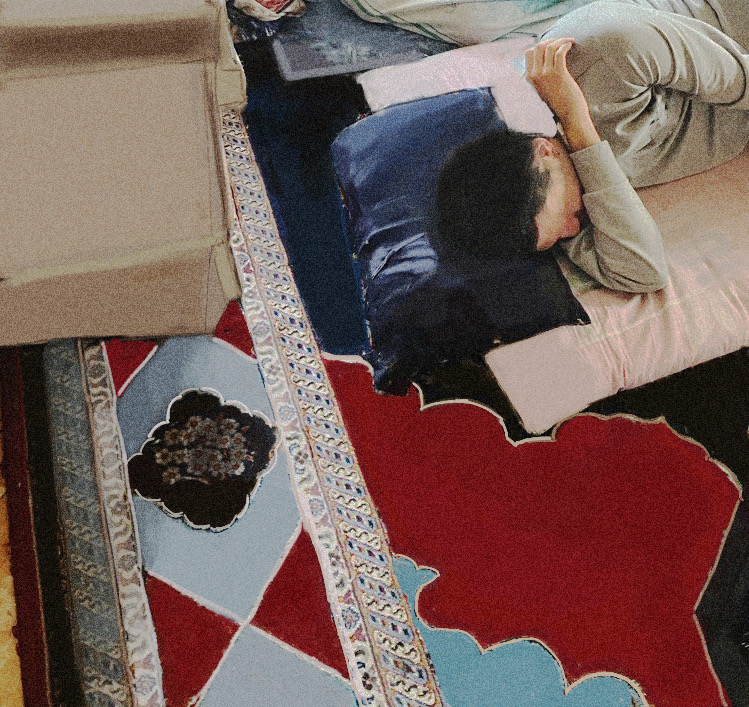
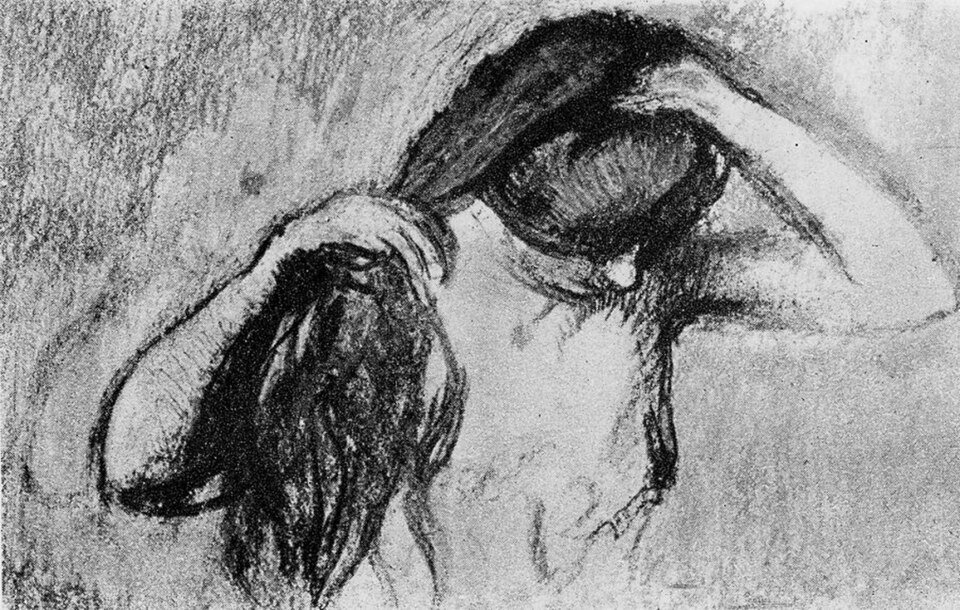
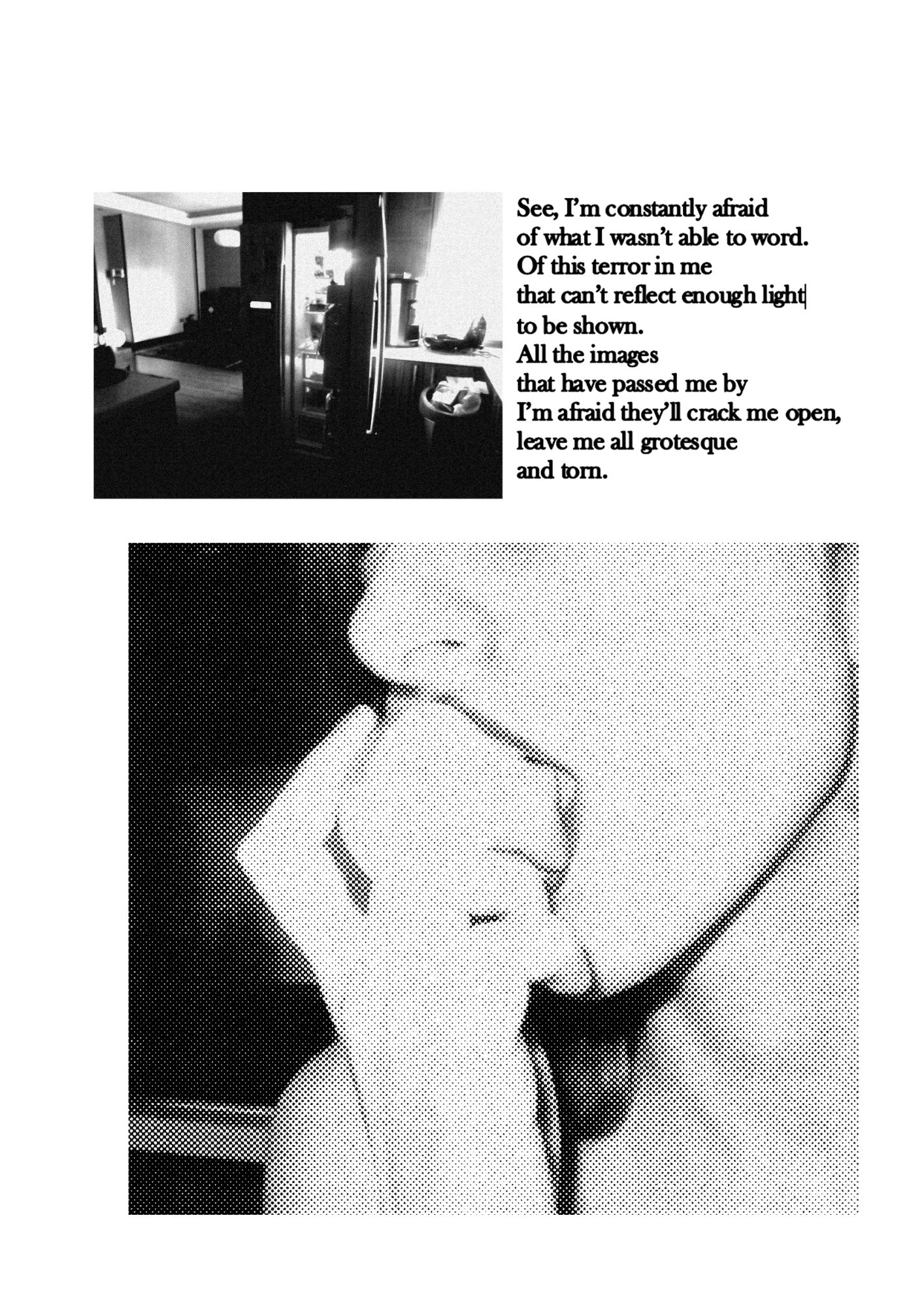
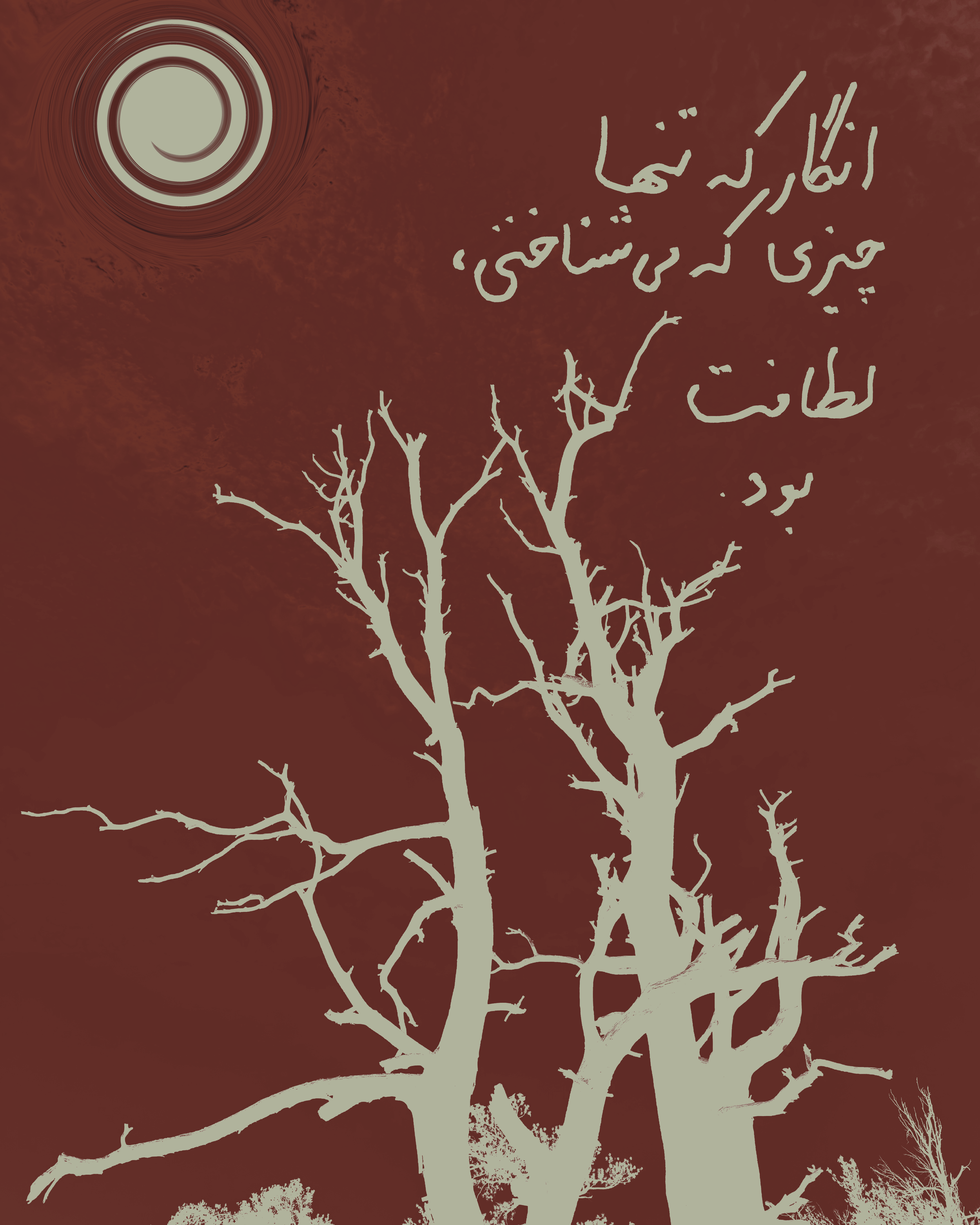
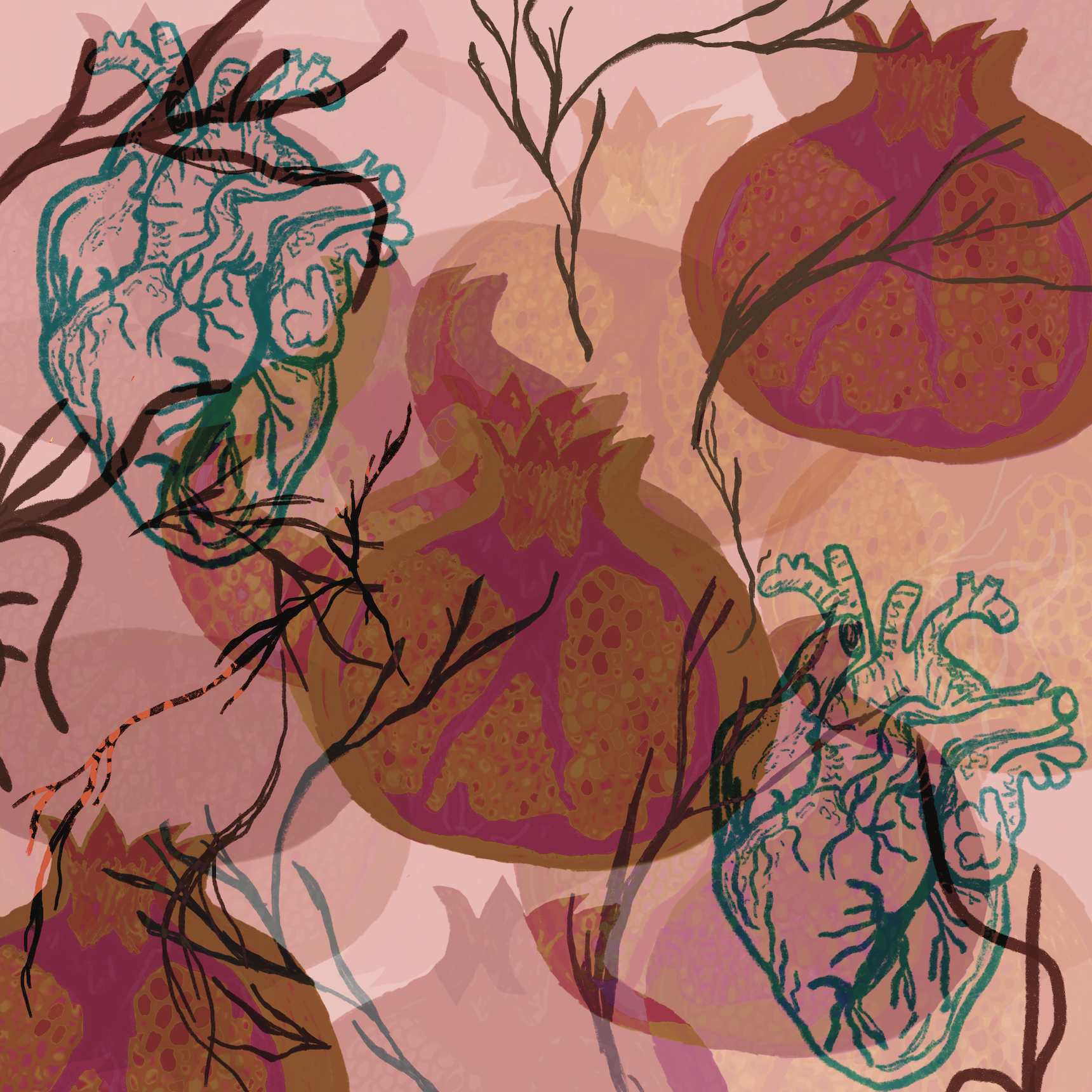
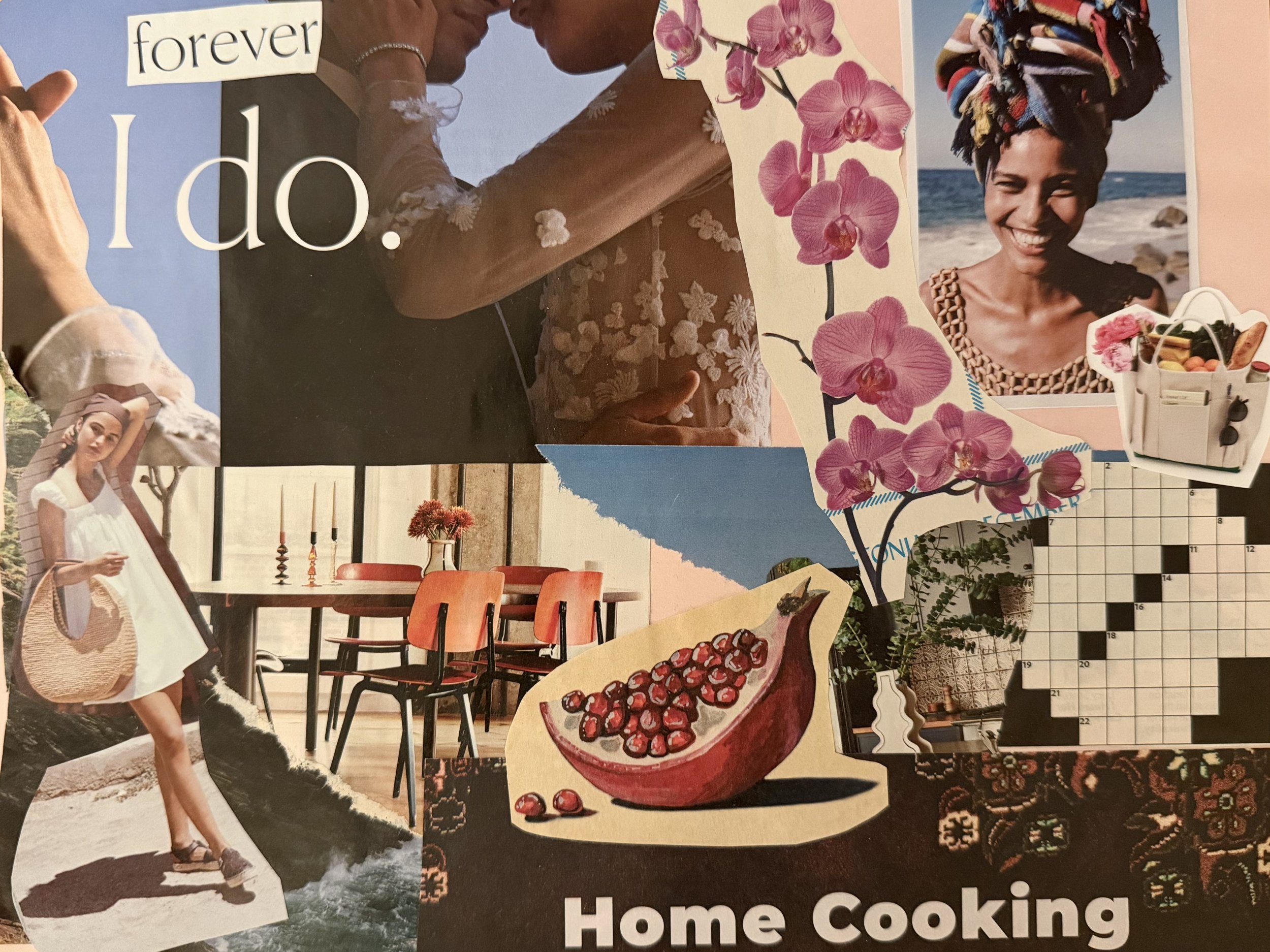
Perhaps that is why the body is such a difficult thing to write about. It is at once familiar and hard to understand. We know our bodies best, but we also can’t help but see them through the eyes of others, through the expectations placed upon us by society and family, through the touch of a loved one, through state violence or restrictive borders. The work in this issue approaches the body from different directions, tackling questions of pain, war, politics, intimacy, and the experience of being seen and unseen. This issue of Kucheh Nameh does not conform to any single understanding of what the body is or what it means to be in one.
And that is by design. There is so much we cannot see when we look at another person's body. As a child, I saw my mother's pregnancies, her softness, the scar beneath her belly button. I saw her nurse my siblings and carry on with her day. I didn't see the exhaustion, the pain, or whatever mental negotiations she was making with a body that had changed in ways I could not yet understand. She was my mother before she was a woman with a body and a history of her own. It took becoming a mother myself to begin to see the distinction, though I can't say I understand it entirely now.
Elham Khatami is the editor of Kucheh Nameh. She has previously served as a journalist and editor at ThinkProgress and CQ Roll Call. Her work has appeared in Catapult, WIRED, Guernica, and other publications.