I was taught to split the fruit carefully
thumb in the seam
Juice wants to make it in your mouth
not to be spilled
open without tearing the chambers
as if tenderness was all you knew
But war has no such discipline
war enters like a man who has forgotten he has ever loved
I carry my stories of home the way I carry seeds,
Tight in fist
a lifeline
I am tired of bravery
tired of the noble face of survival
tired of people asking for analysis when the poem is already bleeding
listen
the body keeps history in unspectacular places
in the jaw that never unclenches
in the gut that needs sugar to numb
in the shoulders preparing for impact before impact arrives
and yet the body betrays war too
with its insistence on tenderness
with its small rebellions
its hunger for saffron rice
its ache for song
its refusal to forget the exact weight of being held
There should be word
for the silence
when war cuts the line
the not knowing
not silence
silence is too gentle
too much like snowfall
too much like children sleeping
I mean the silence that scrapes
The silence that could mean death
the silence that keeps changing shape in the throat
the silence of waiting for a mother’s voice
an aunt’s text
a cousin’s one line
I am okay
I am okay
I am okay
there is no okay in war
there is only choreography
of performing okayness while not knowing
pace refresh pace pray pace curse
diaspora is a strange animal
it lets you set the table while your heart is elsewhere
it lets you answer emails with a funeral inside your ribs
it lets you make love intimately while you grieve
it lets you smile in English while Farsi digs at the back of your teeth like trapped light
I write this on the porch as the police pass by
I am alive in the obscene ordinary
waiting for familial voice to make the world briefly inhabitable again
On my most entrepreneurial day,
I, too, want the grieving body to become a symbol
something tasteful
something teachable
a soft brown ache in the literature of war
Dr. Yasi Shaker (they/them) is a queer Iranian symbiont, artist, farmer, and sociologist who sees the world as a web of tangled, living relationships. They write and make art to mend the bonds between us, our ancestors, and the land, tending toward repair in social and ecological communities.
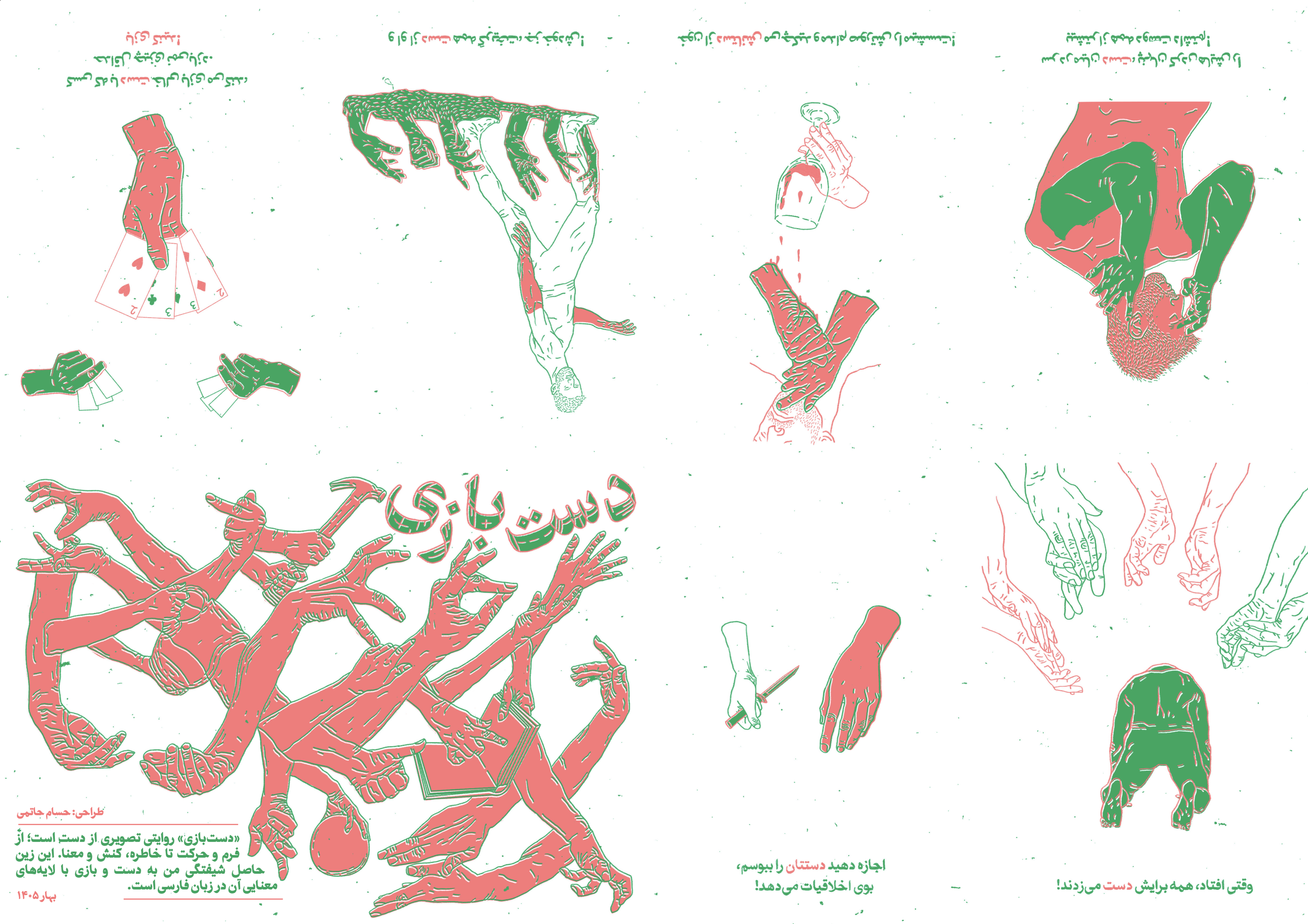
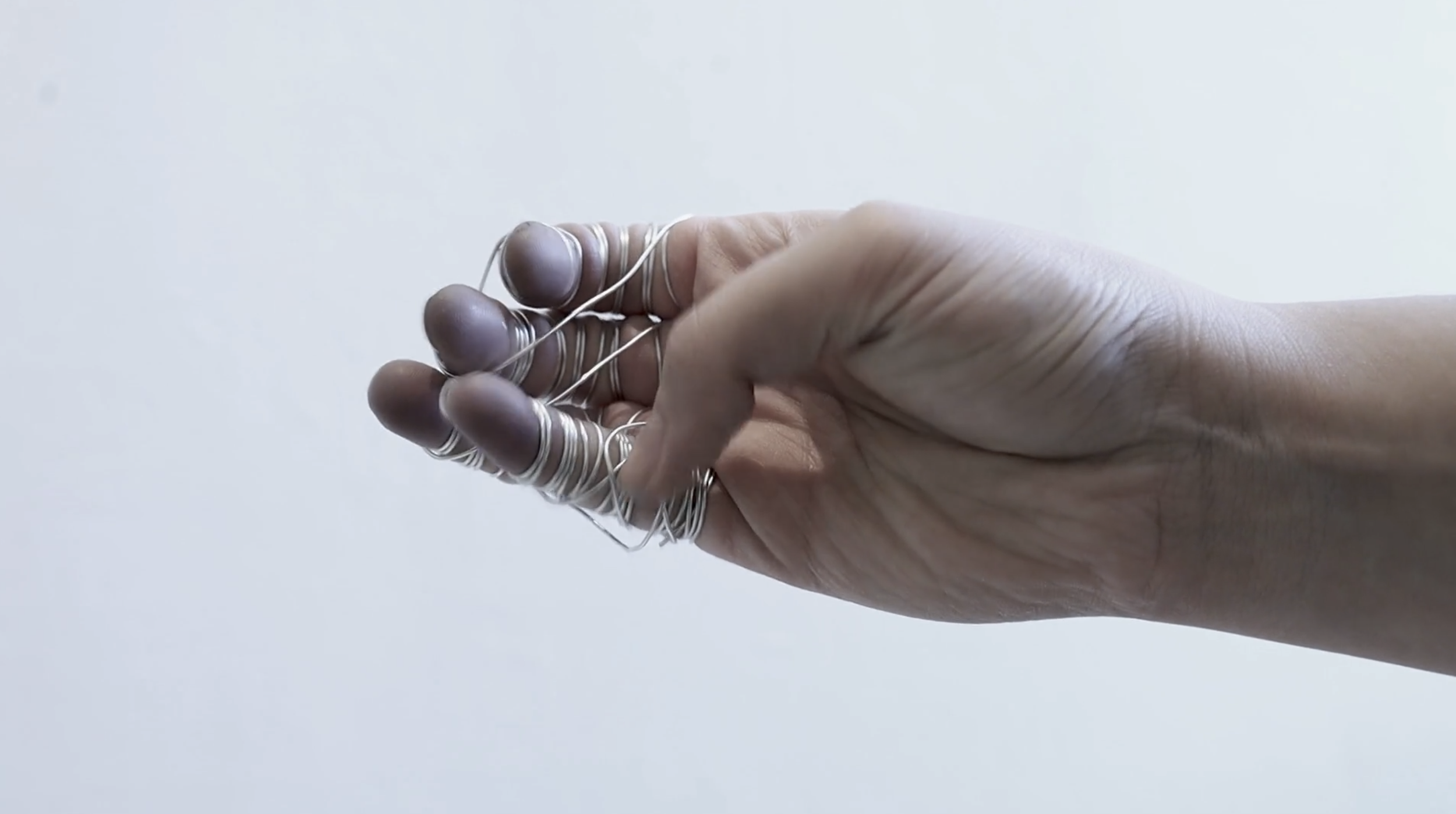
A visual narrative about the hand — its form, movement, memory, action, and meaning.
The same hands that once counted chants after prayer in Tehran, Iran, are now counting days in North Carolina.
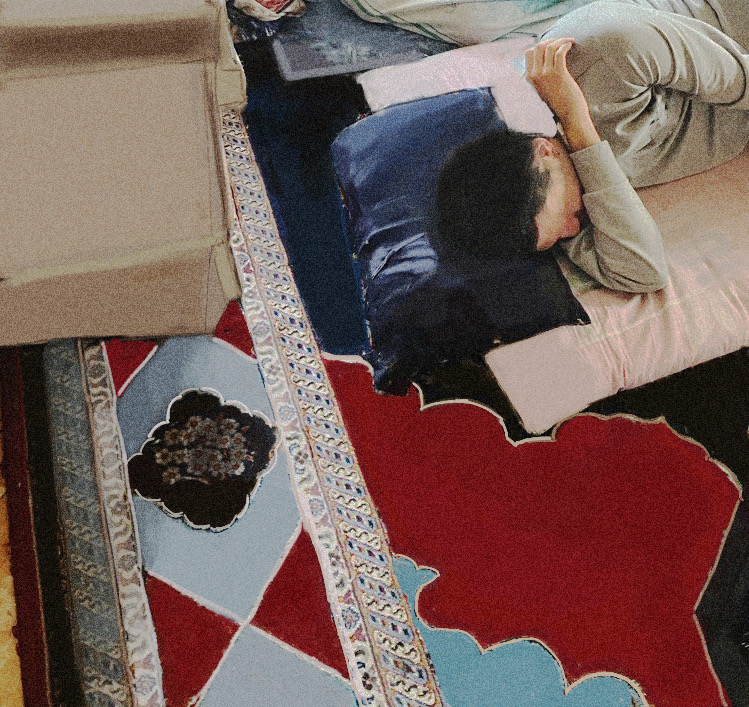
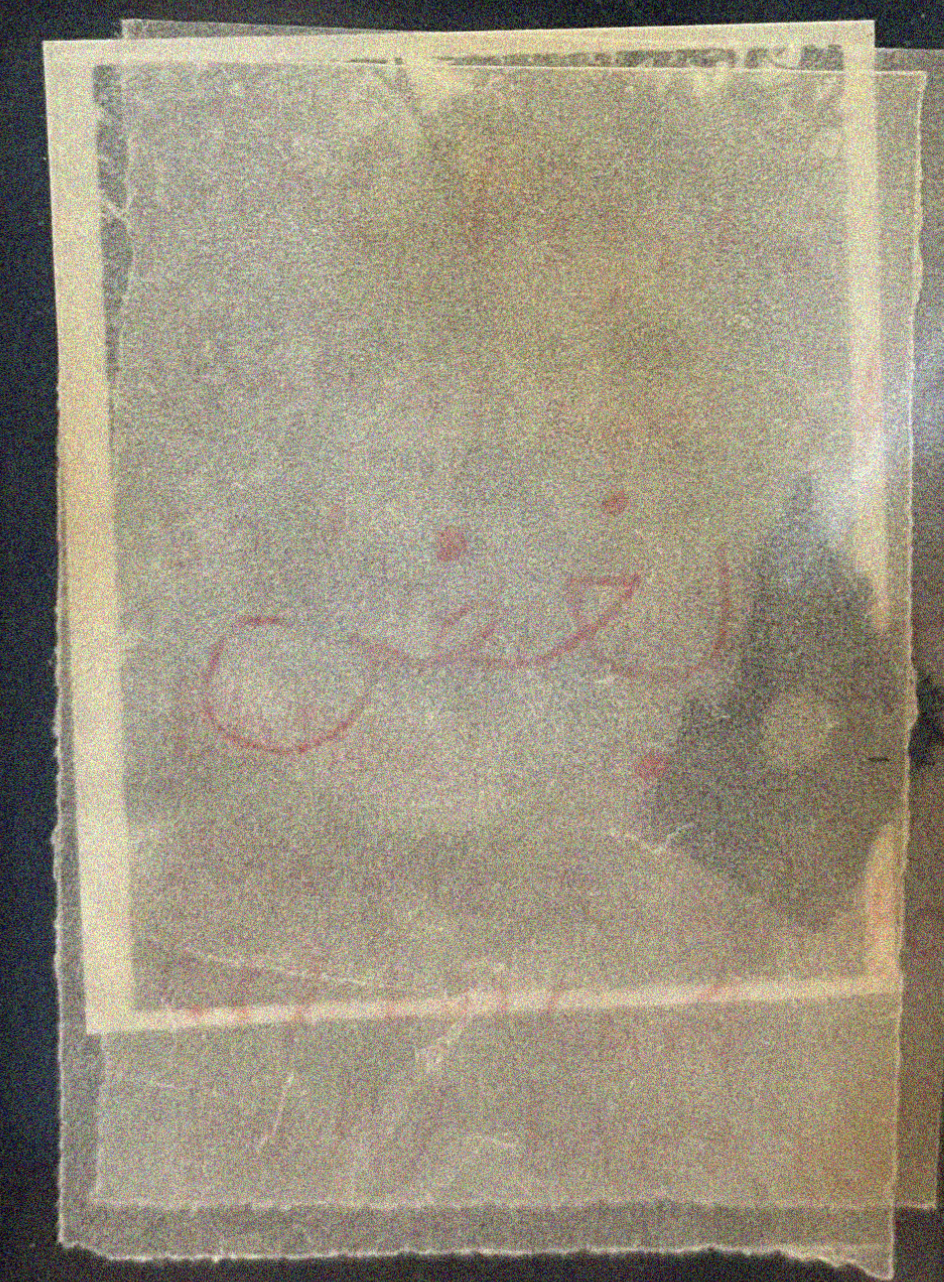
This series emerged from encounters with situations in which nothing completely disappears and nothing completely remains.
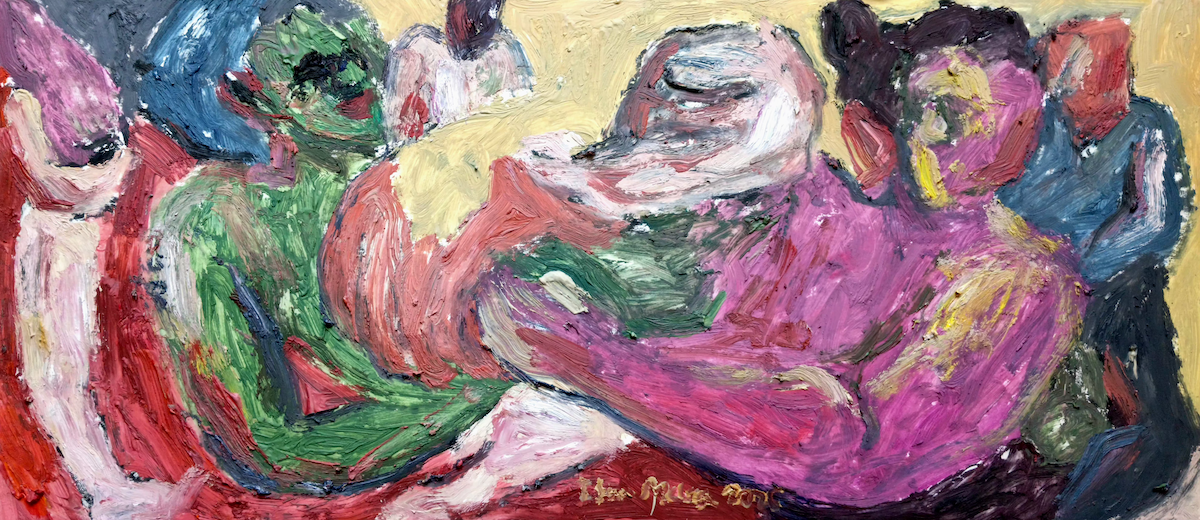
The womb.
His mother’s shins
swaying him side to side to sleep.
and i was flying home
to where dayjoon ali teaches poetry
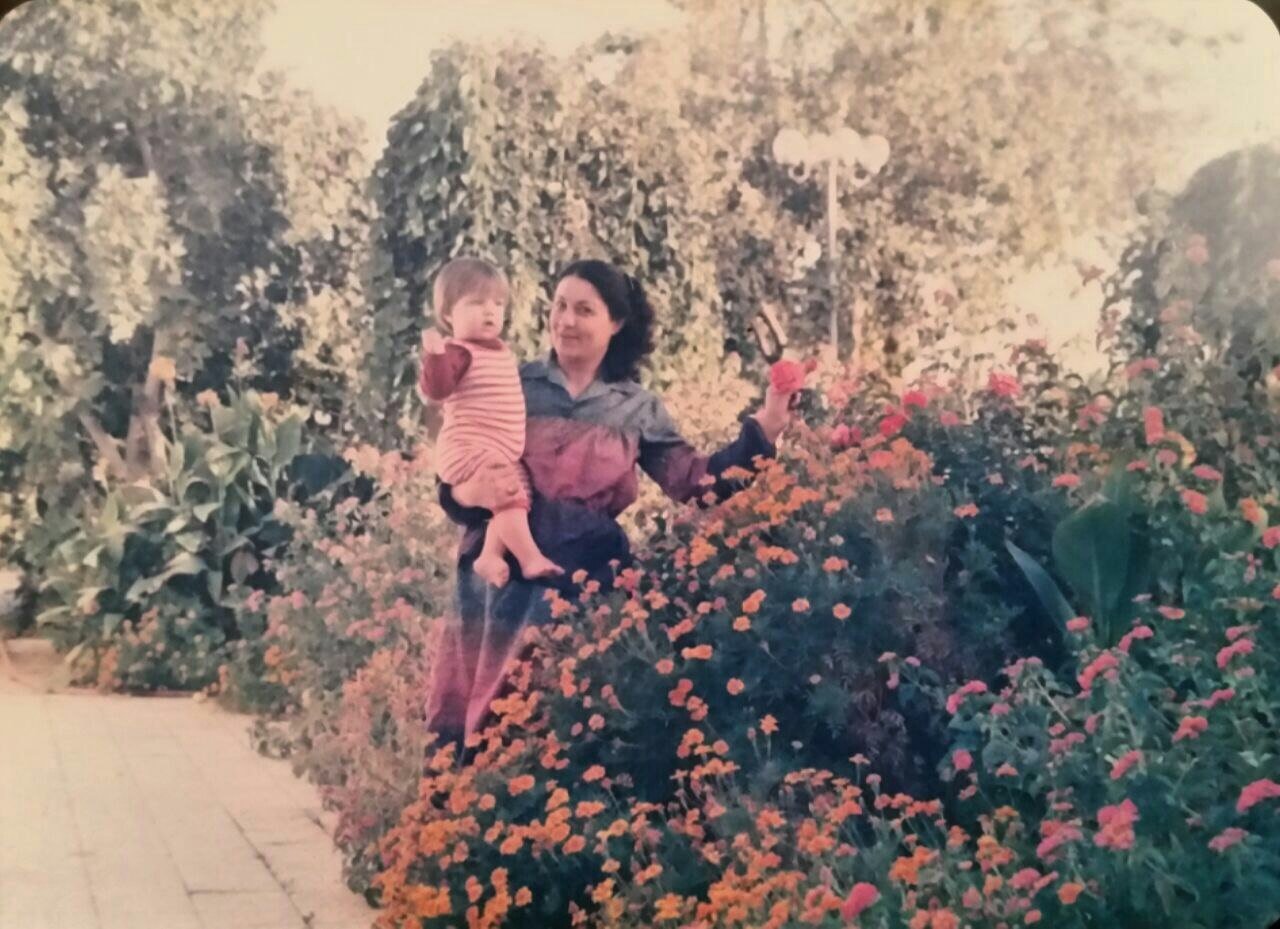
and maman kashoony picks reyhoon in the garden
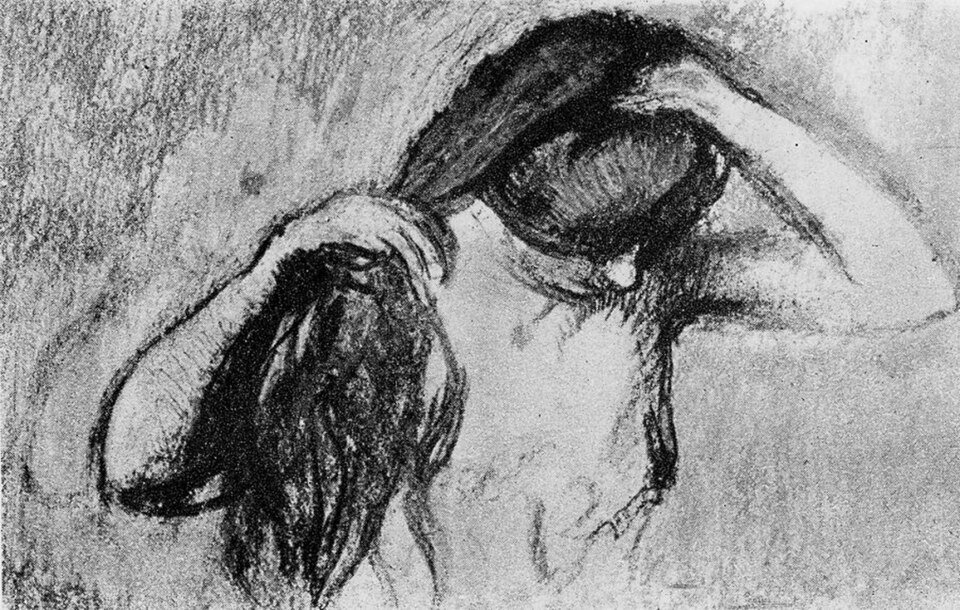
i want to write a poem about my hair
a combustable memoir
about the battle to cover
the mighty war to uncover
The waist of my jeans felt too tight and dug into my hips and belly. I was shaped by an uneasy distrust of my own body: the shame of its weight, but also its desires.
Among the precious things my dad gave me—a love of words, a relentless sense of justice, and a political mind that never seems to rest—his son, my half-brother, remains my biggest treasure.
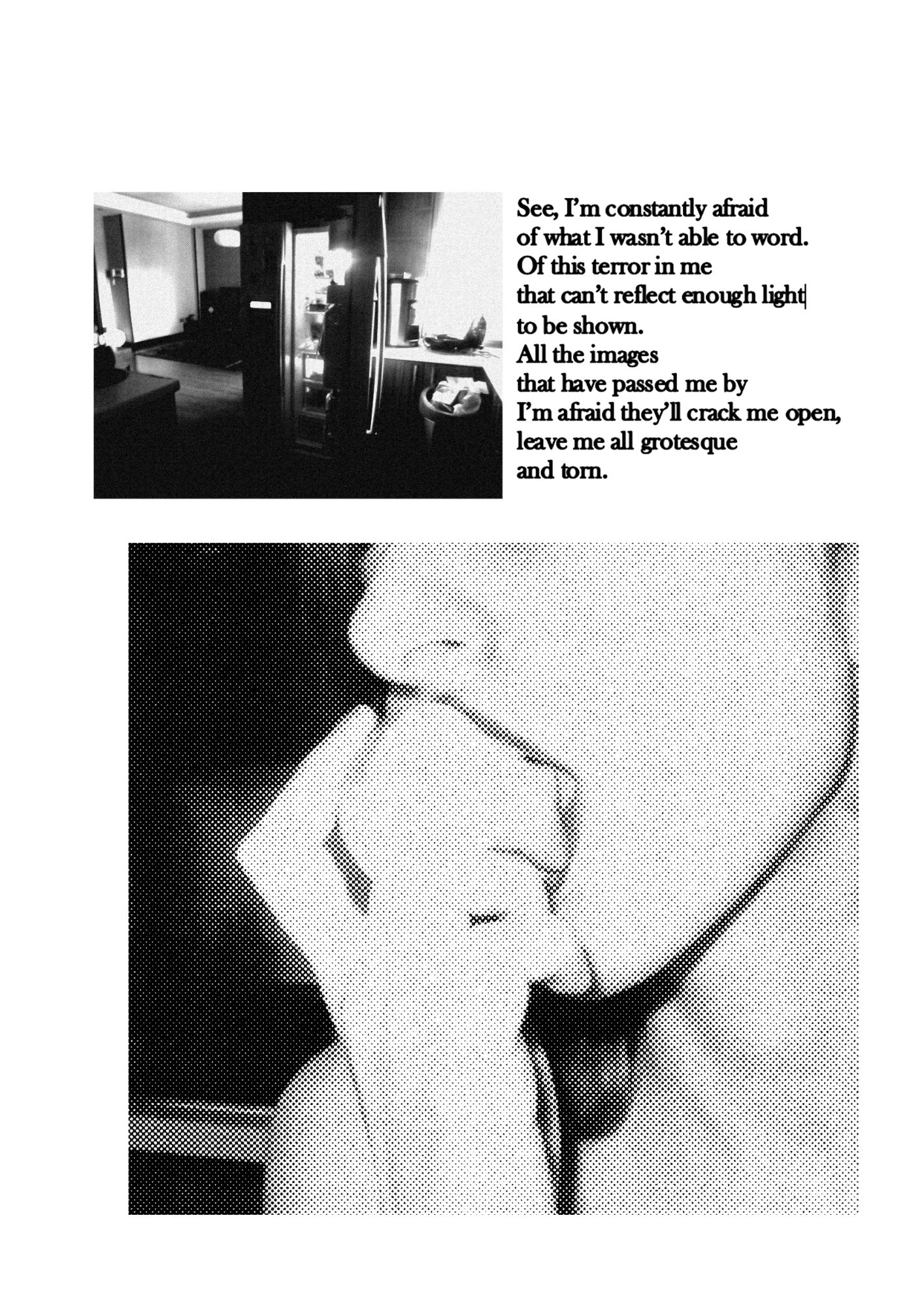
The tight, aching knot of sadness in your throat when you are about to cry but cannot fully break
It’s hard to make up a real story
from all the abstractions and dreams
I still try to take a shape,
to see what I can sew into my flesh
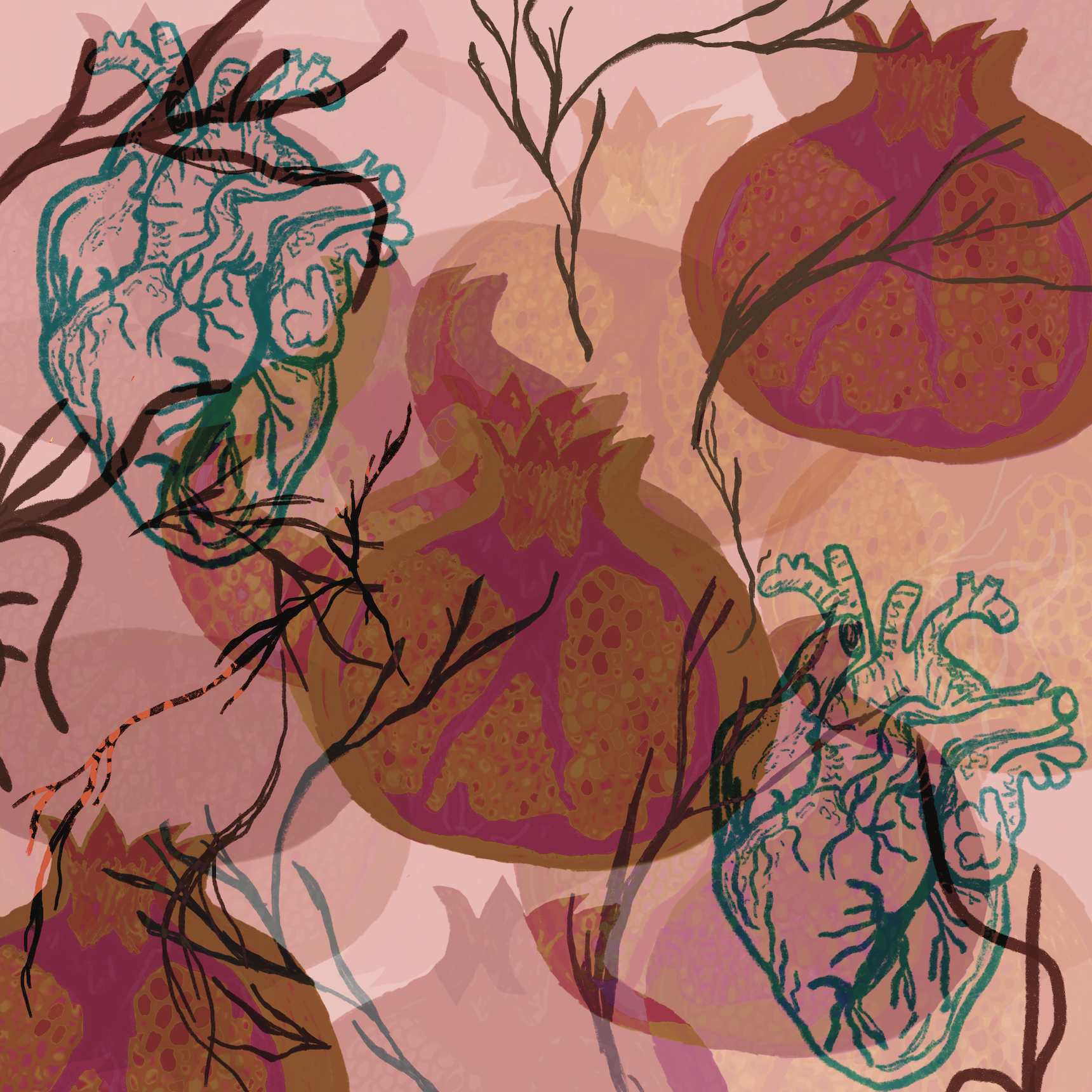
I was taught to split the fruit carefully
thumb in the seam
Juice wants to make it in your mouth
not to be spilled
open without tearing the chambers
as if tenderness was all you knew
not every opening is meant to be violent
not every split is an ending
dear one, some ruptures are how we feed each other
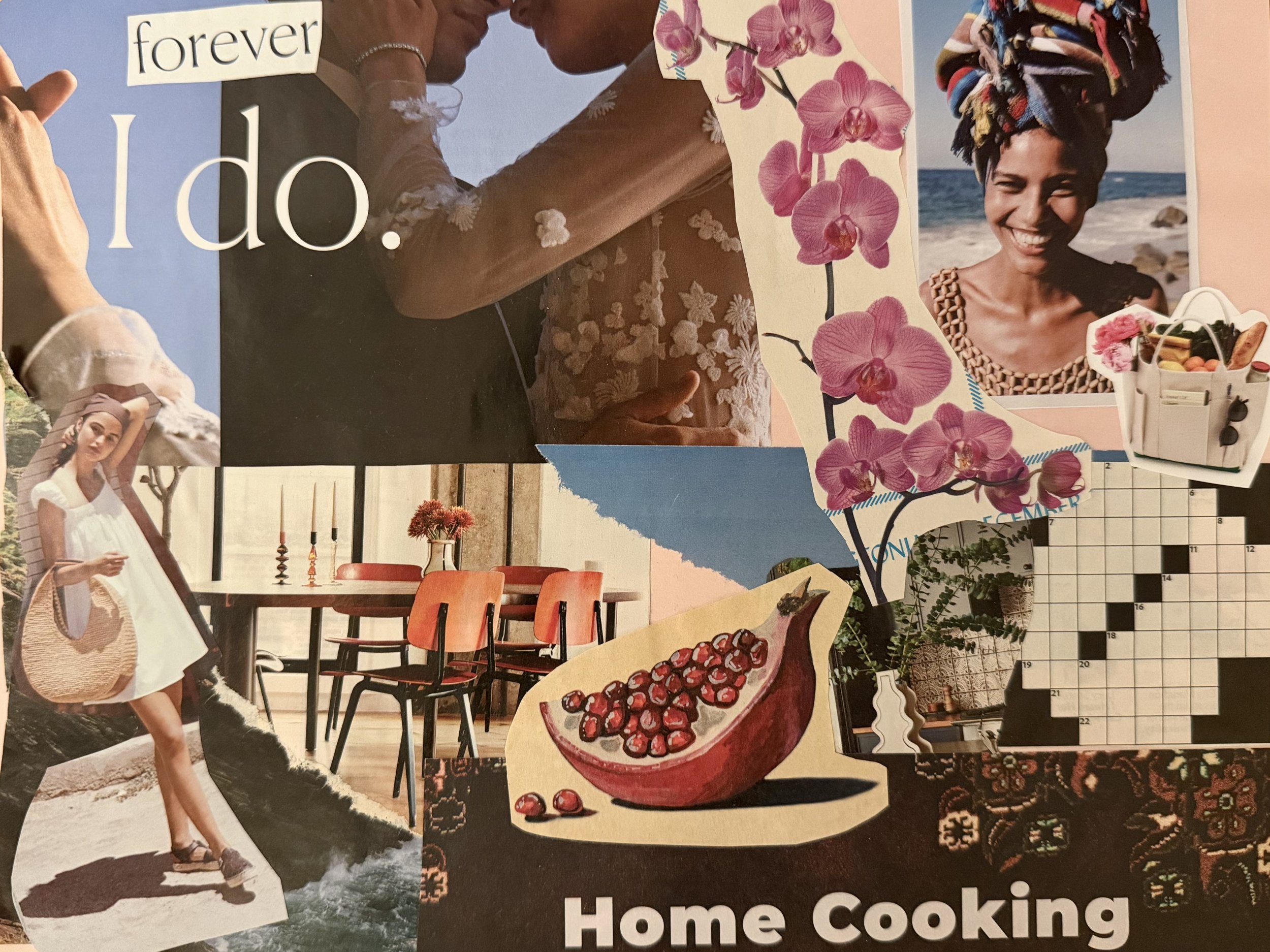
None of the Instagram videos, or how-to guides, or the wedding planners, tell you how to navigate wedding planning at a time of war and genocide.
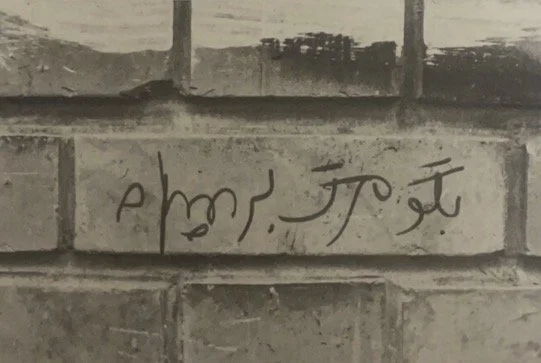
The walls speak. Now, they are asking me to speak as well.
A grandmother, but also something more—the balance, the fixed point one can return to with every turn.
There’s a pain in the heart as if it’s sore from walking too far past mountains,
looking for another cavity to beat in
My country, though I wasn’t your birth-child
you still folded me in
where I took root
Tell me your name
so I can write it in the blank lines between stars
جنگ که شروع شد، من تقریباً هیچ کاری نکردم جز ماندن. نه قهرمانی در کار بود، نه فرار، نه پناهگاه، نه حتی اضطرابی که بشود اسمش را ترس گذاشت.
This body of work navigates the paradox of holding on and letting go, preserving fleeting moments of home while accepting their inevitable disappearance.
I said I’m not a poet.
A writer, but not the poet kind.
I know, I know. It’s strange to hear.
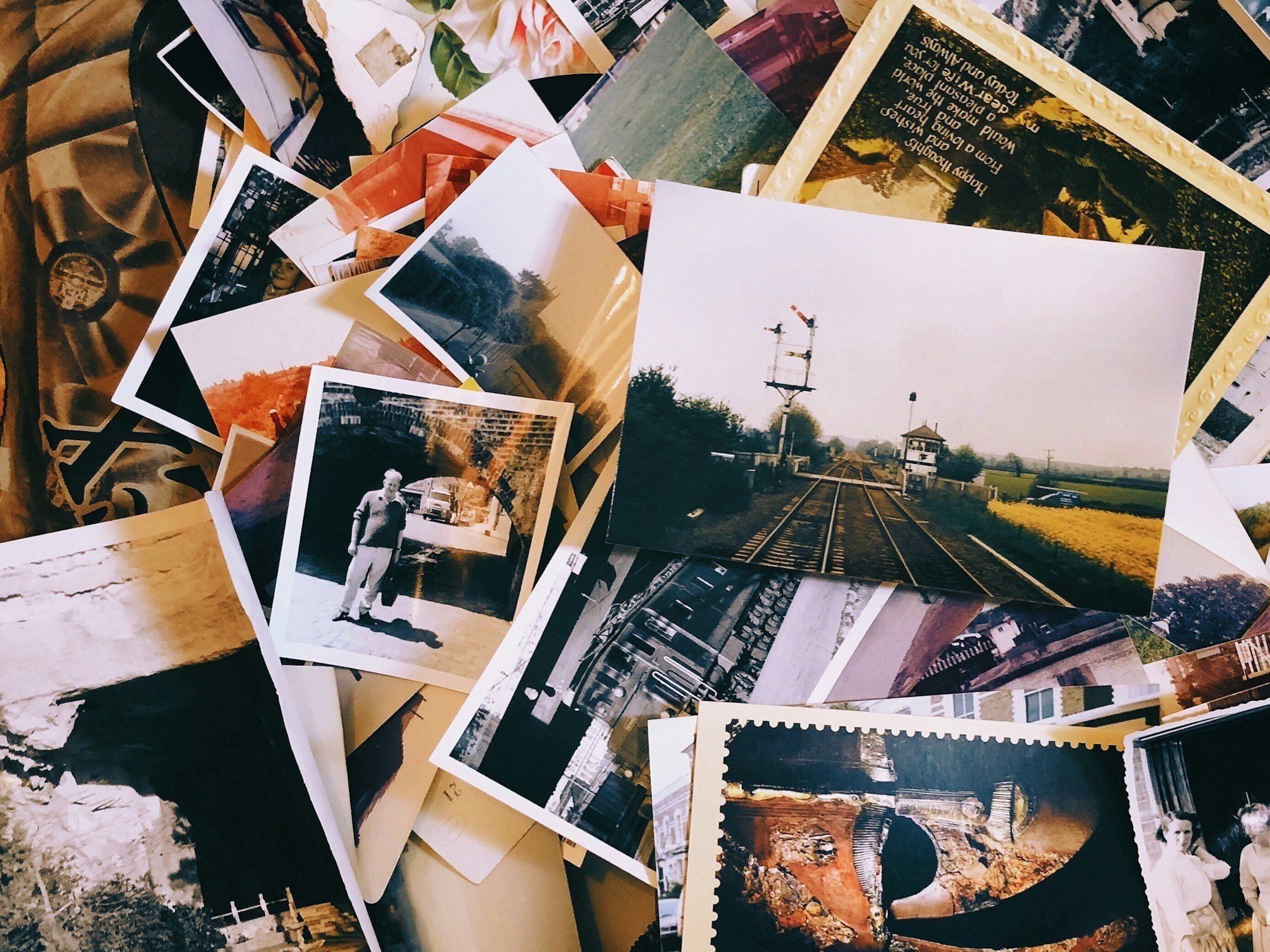
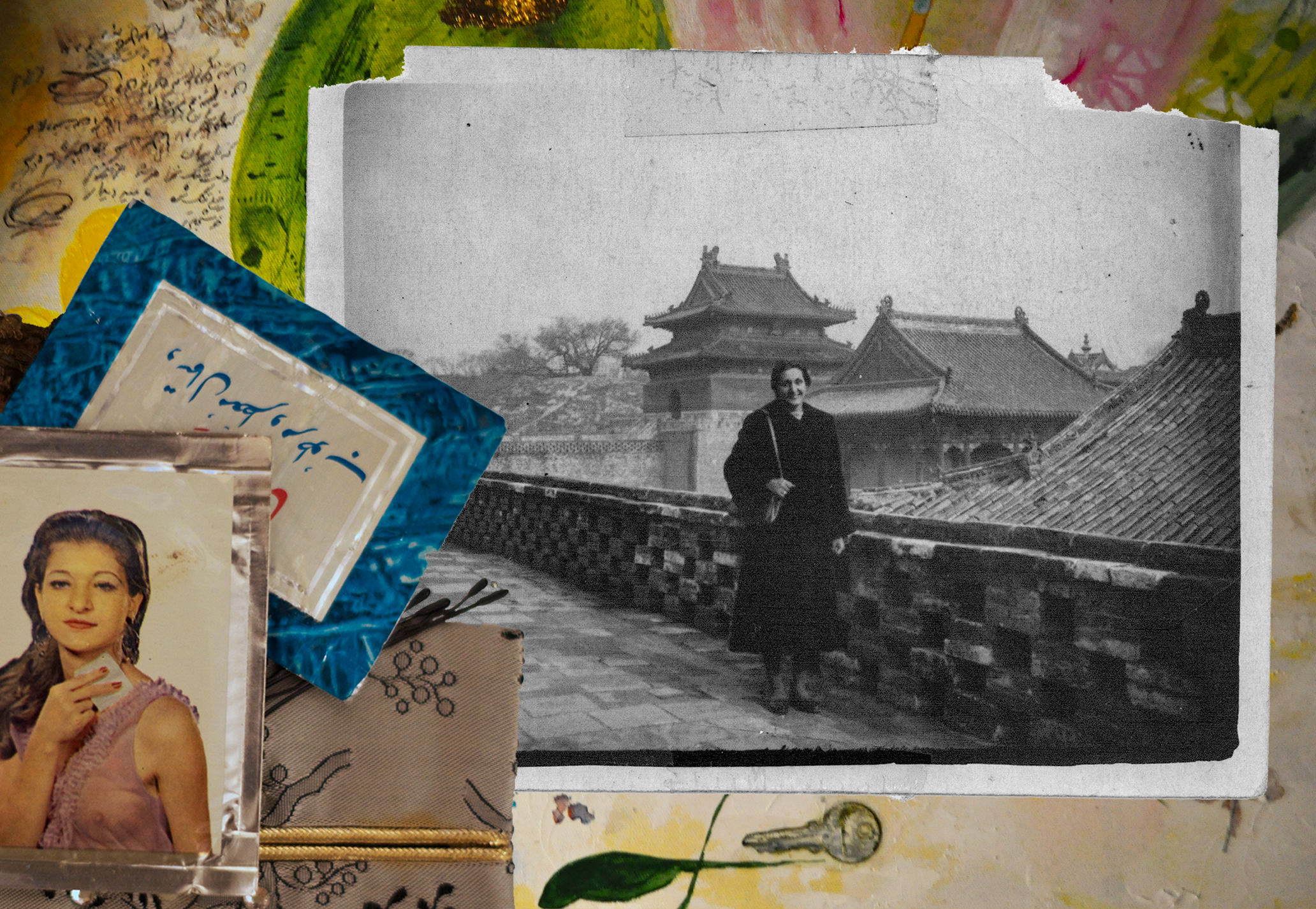
The act of collecting enables us to reframe context and create an entirely new composition.