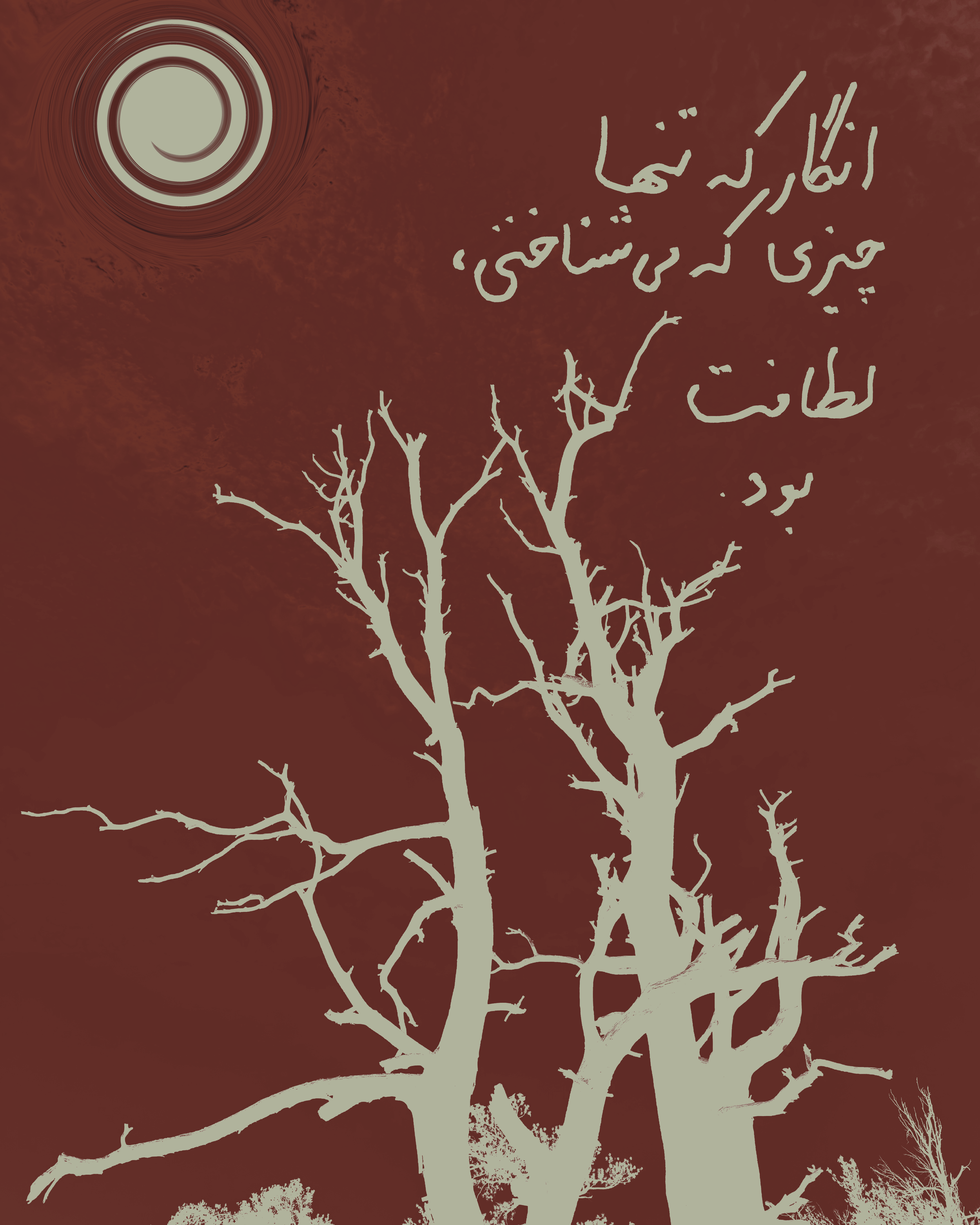
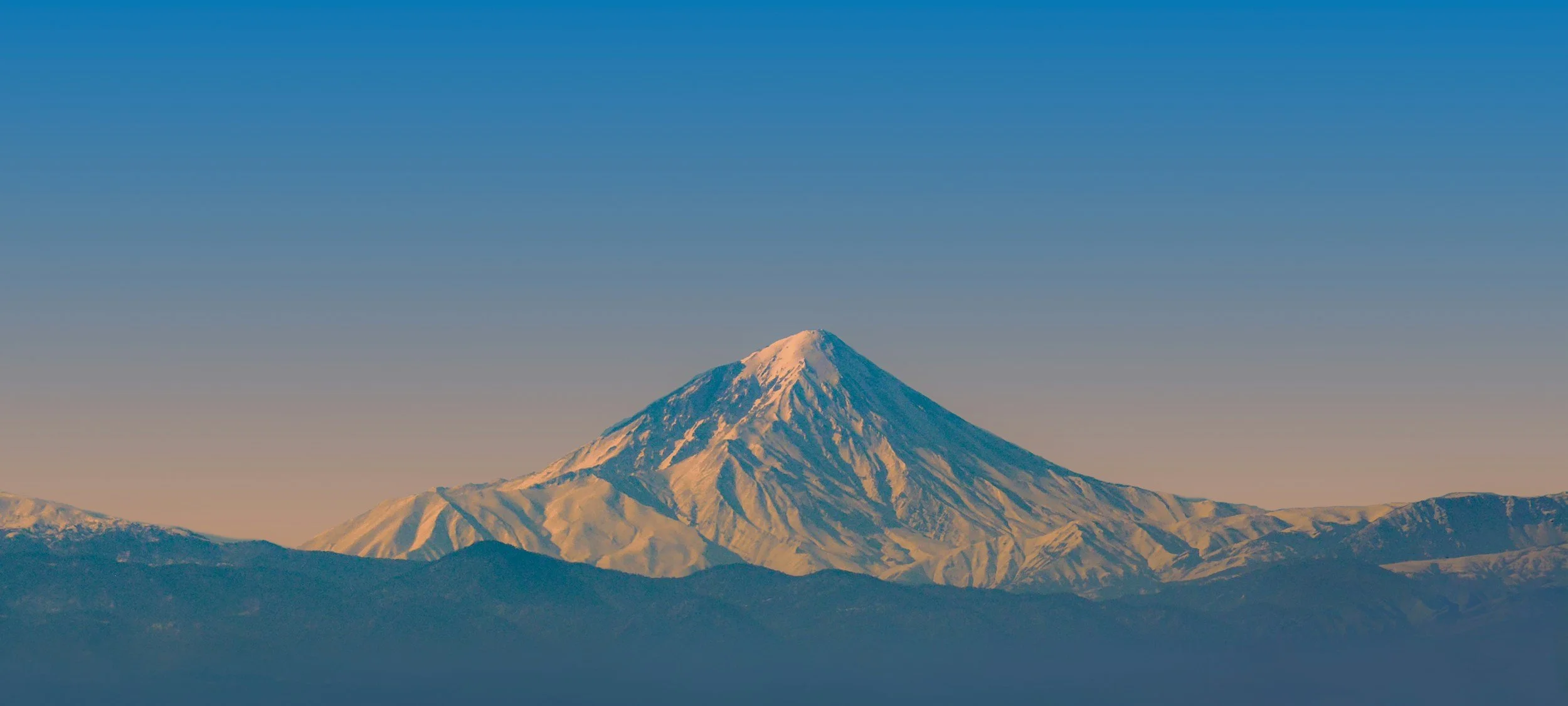
It was only January. Ears could hear the seething wind through faintly yellowed cypresses standing starkly in the vast nothingness of the plain that was keeping poppies hidden under layers and layers of white.
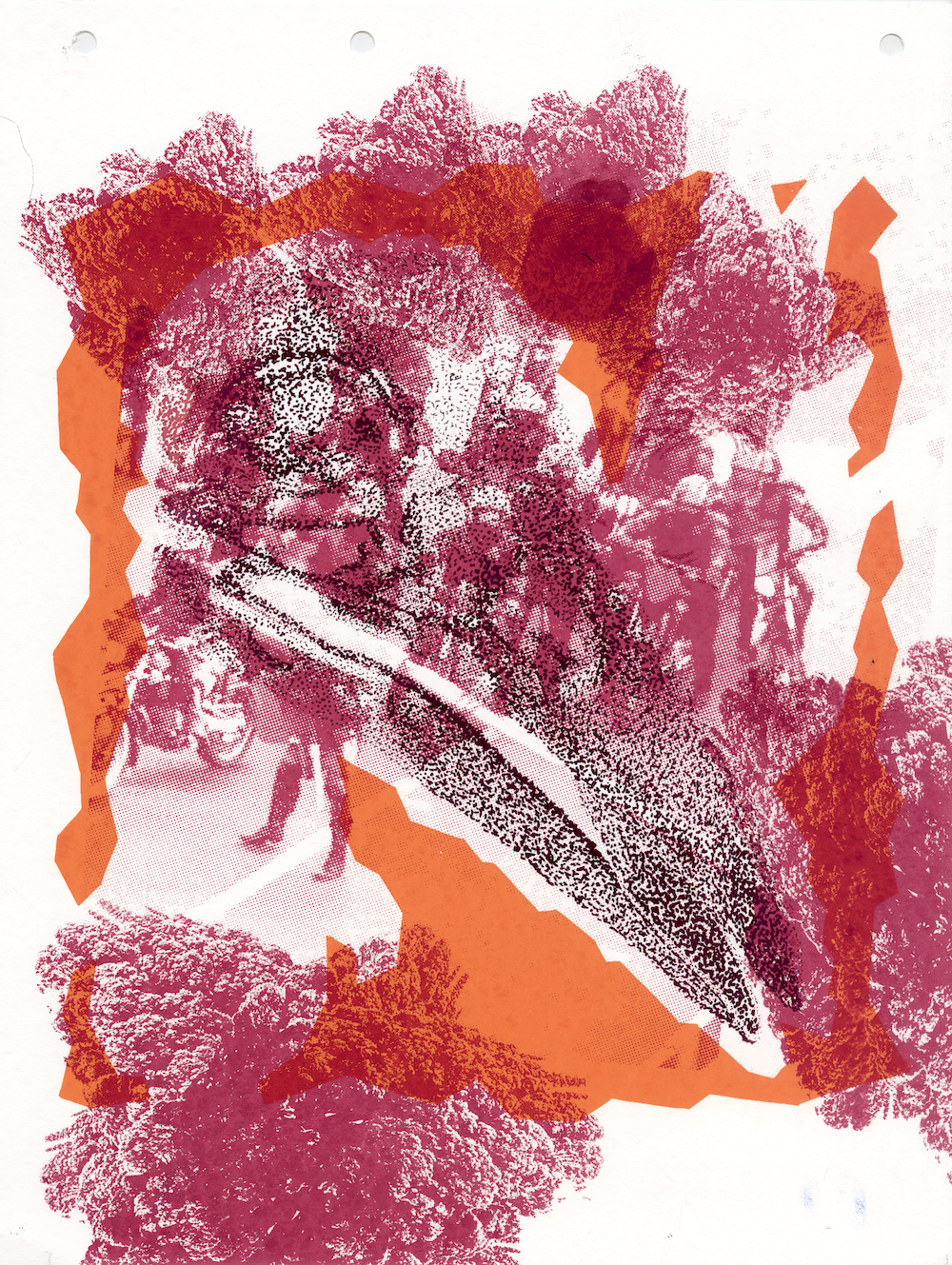
The now cold blood was chipping away at the reddened snow, its crimson shadowblooming through the crystalline ice, and it was only January. The crow’s gaze was fixated on this reddened snow that was melting. He tried to bury his head in, so maybe the blood wouldn’t run anymore, so that the time would stop, but he could see the blood, the now cold blood, because it was only January, penetrating through layers and layers of the snow that was now reddened. And it did not seem to stop, the blood, which was thick and cold, but surprisingly did not smell of iron. It smelled of nothing, at least to the crow. The crow kept going further and further down into the icy snow. The unyielding snow had now numbed his cracked beak. Buried as deep as he was, he could find the wind nowhere but on his back, that is, if he could still feel it. His wings, now appearing to be completely detached from his head, did not have any sensation left in them.
The crow, now standing still, with his head buried beneath the icy snow, watched as the blood seeped through. He did not know if this was the same blood as before, or if it was fresh blood. Would it matter? To him, not much.
He, the crow, was now in the company of the blood, which was melting the icy snow, and it was only January. “Should I go deeper?” he thought. “Maybe then I could hold till late March!” So he did, and the blood followed, running, chipping away at the reddened snow, as it was its duty, and blood is nothing but dutiful.
Mohammadreza Eslami is a visual artist based in Iowa City. Grounded in arts-based research, his interdisciplinary practice treats lived experience and social inquiry as active sites of knowledge-making.
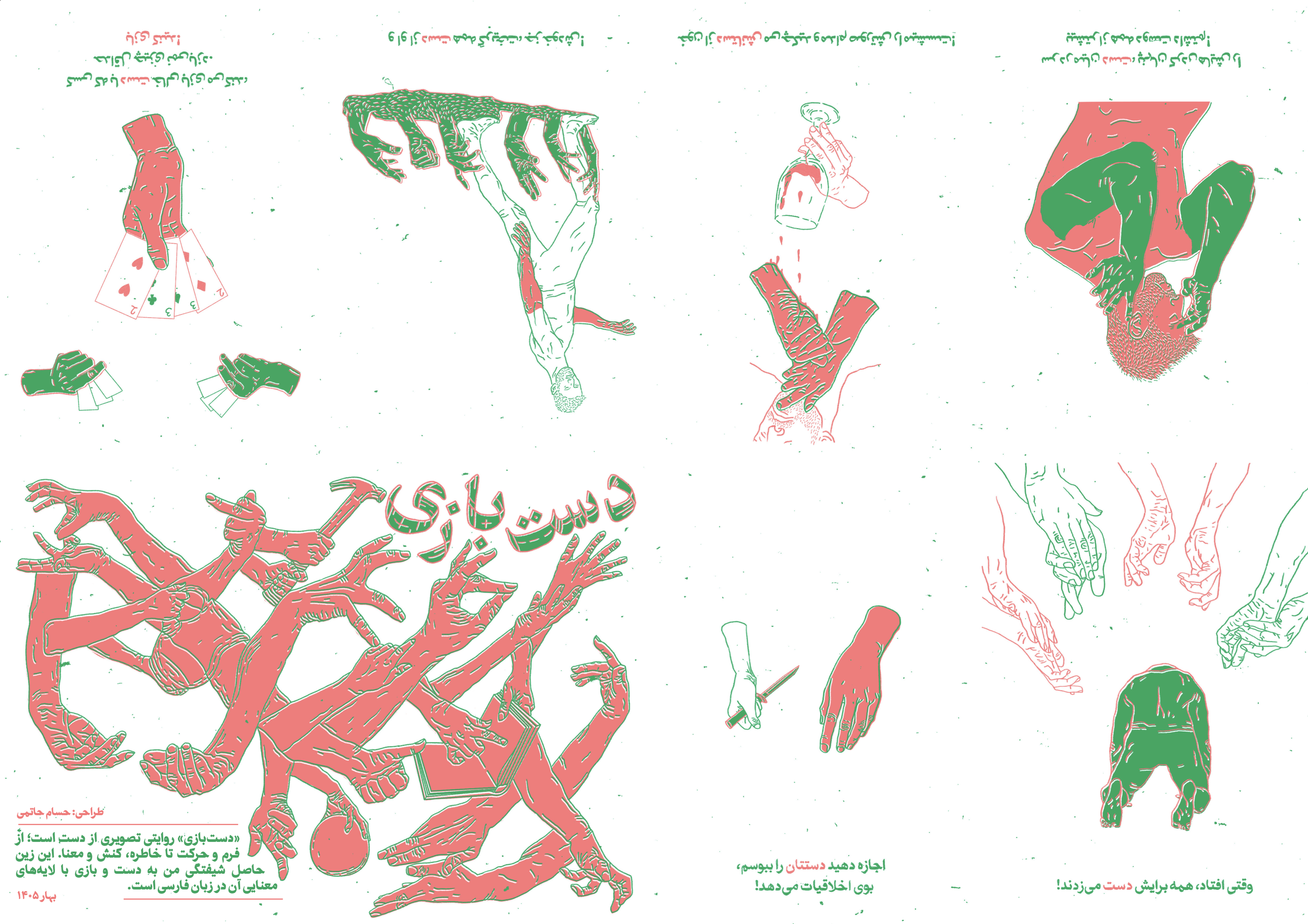
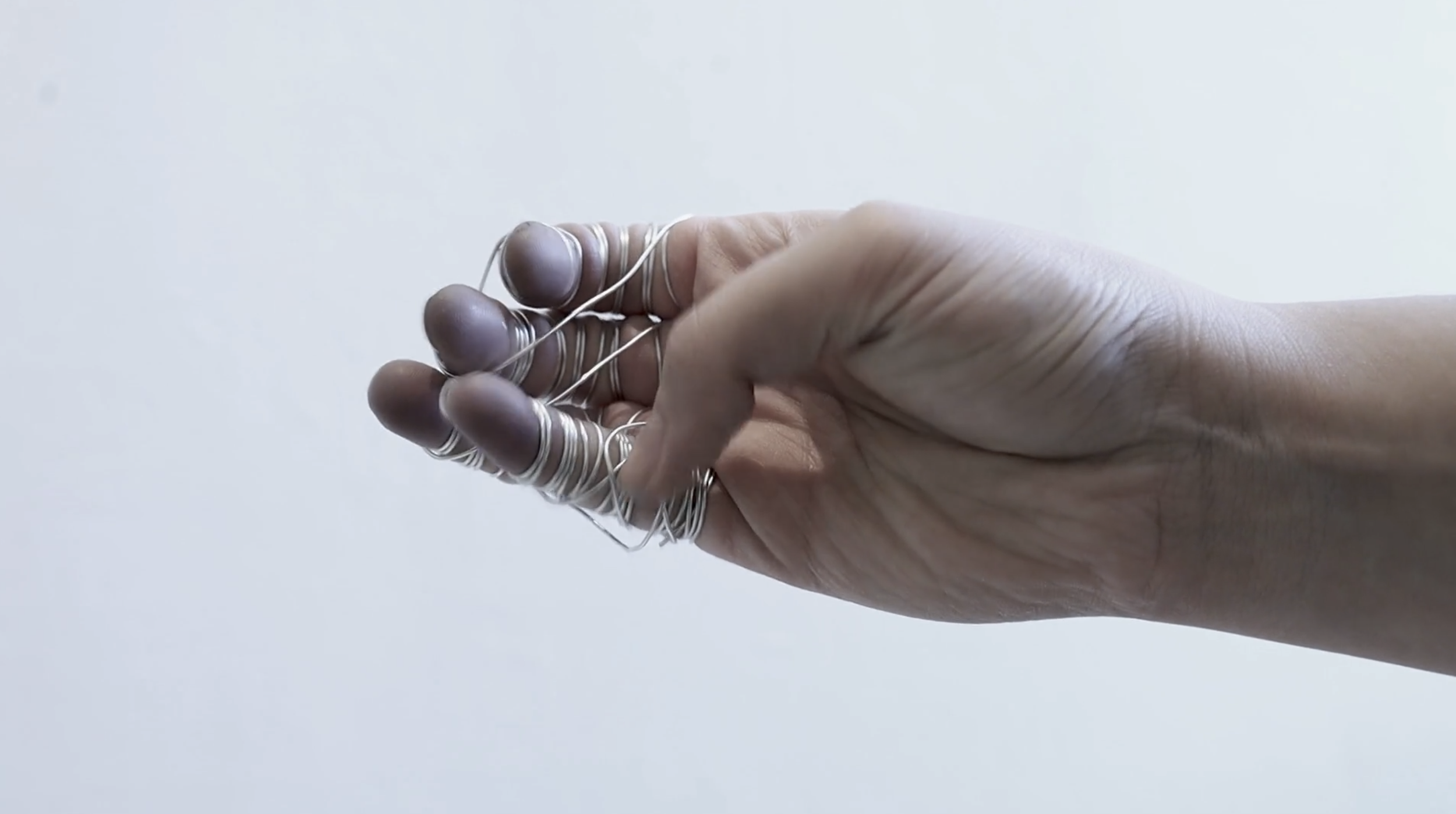
A visual narrative about the hand — its form, movement, memory, action, and meaning.
The same hands that once counted chants after prayer in Tehran, Iran, are now counting days in North Carolina.
This series emerged from encounters with situations in which nothing completely disappears and nothing completely remains.
The womb.
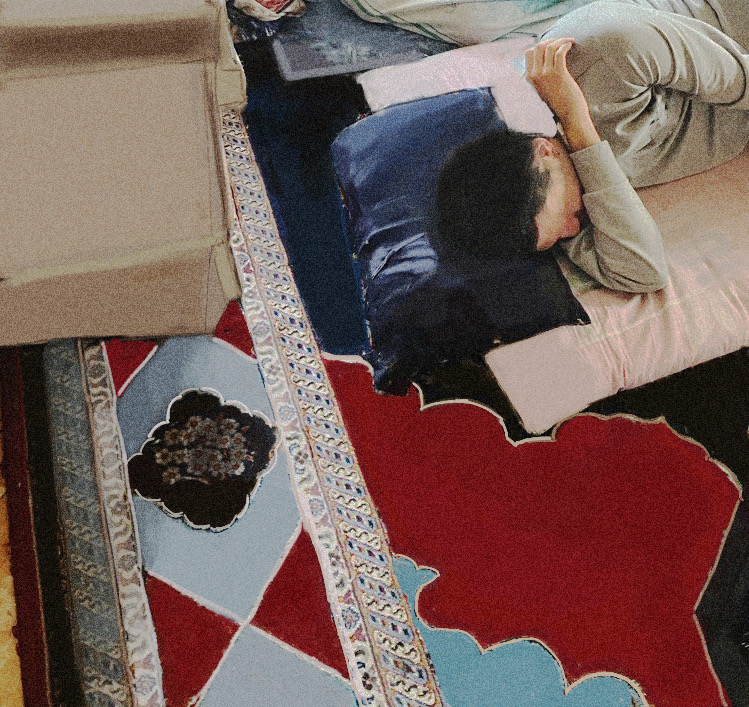
His mother’s shins
swaying him side to side to sleep.
and i was flying home
to where dayjoon ali teaches poetry
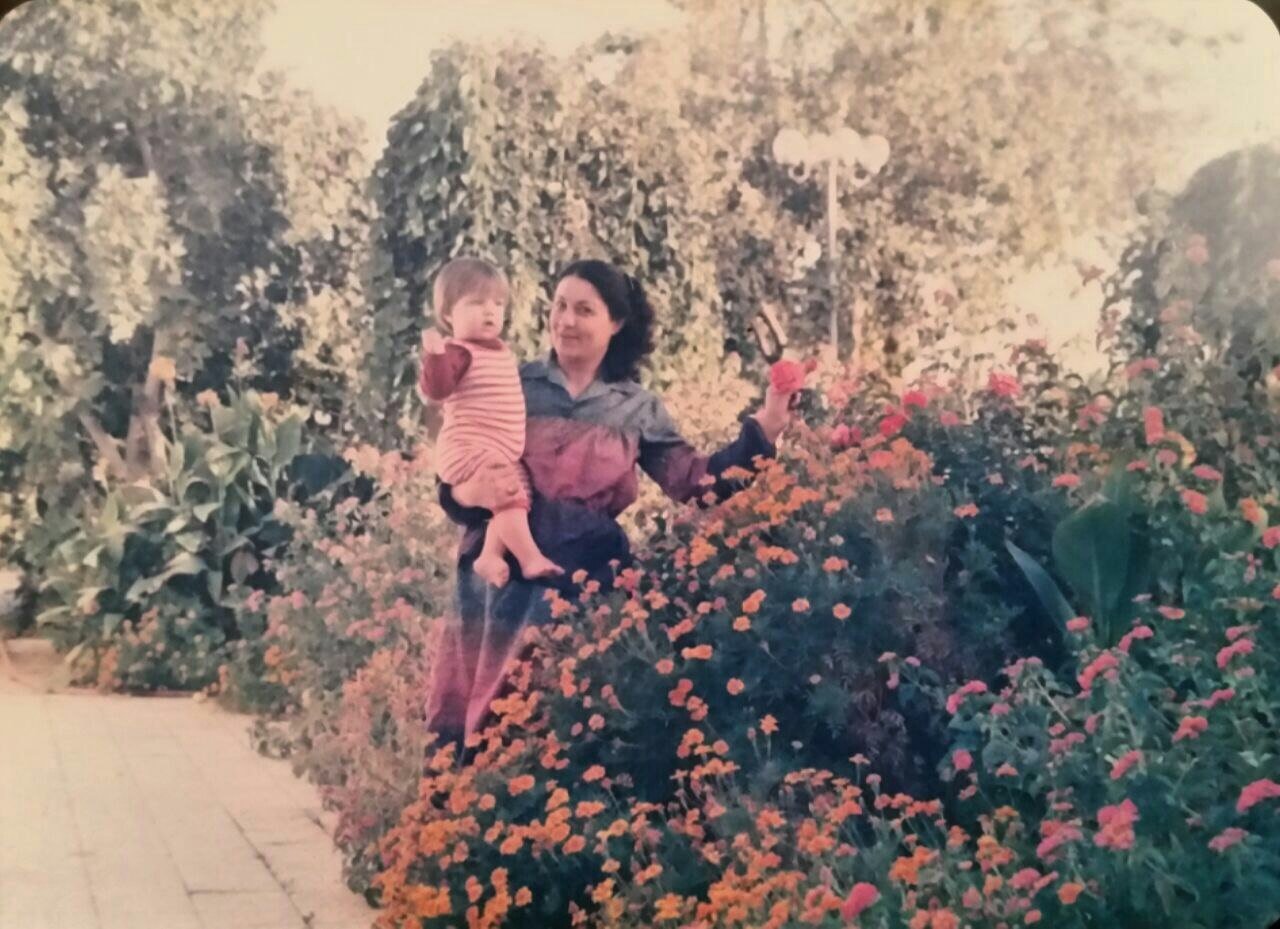
and maman kashoony picks reyhoon in the garden
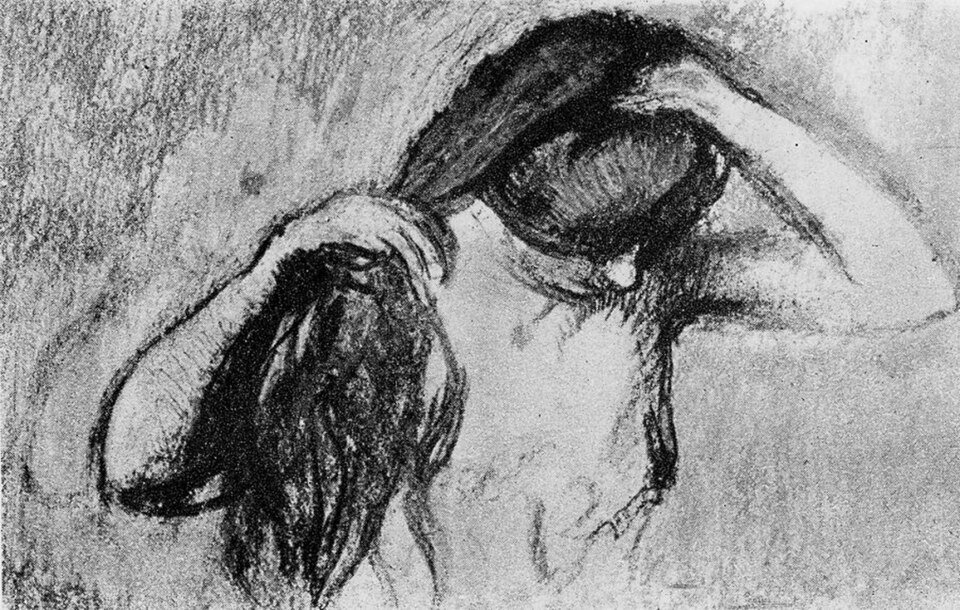
i want to write a poem about my hair
a combustable memoir
about the battle to cover
the mighty war to uncover
The waist of my jeans felt too tight and dug into my hips and belly. I was shaped by an uneasy distrust of my own body: the shame of its weight, but also its desires.
Among the precious things my dad gave me—a love of words, a relentless sense of justice, and a political mind that never seems to rest—his son, my half-brother, remains my biggest treasure.
The tight, aching knot of sadness in your throat when you are about to cry but cannot fully break
It’s hard to make up a real story
from all the abstractions and dreams
I still try to take a shape,
to see what I can sew into my flesh
I was taught to split the fruit carefully
thumb in the seam
Juice wants to make it in your mouth
not to be spilled
open without tearing the chambers
as if tenderness was all you knew
not every opening is meant to be violent
not every split is an ending
dear one, some ruptures are how we feed each other
None of the Instagram videos, or how-to guides, or the wedding planners, tell you how to navigate wedding planning at a time of war and genocide.
The walls speak. Now, they are asking me to speak as well.
A grandmother, but also something more—the balance, the fixed point one can return to with every turn.
There’s a pain in the heart as if it’s sore from walking too far past mountains,
looking for another cavity to beat in
My country, though I wasn’t your birth-child
you still folded me in
where I took root
Tell me your name
so I can write it in the blank lines between stars
جنگ که شروع شد، من تقریباً هیچ کاری نکردم جز ماندن. نه قهرمانی در کار بود، نه فرار، نه پناهگاه، نه حتی اضطرابی که بشود اسمش را ترس گذاشت.
This body of work navigates the paradox of holding on and letting go, preserving fleeting moments of home while accepting their inevitable disappearance.
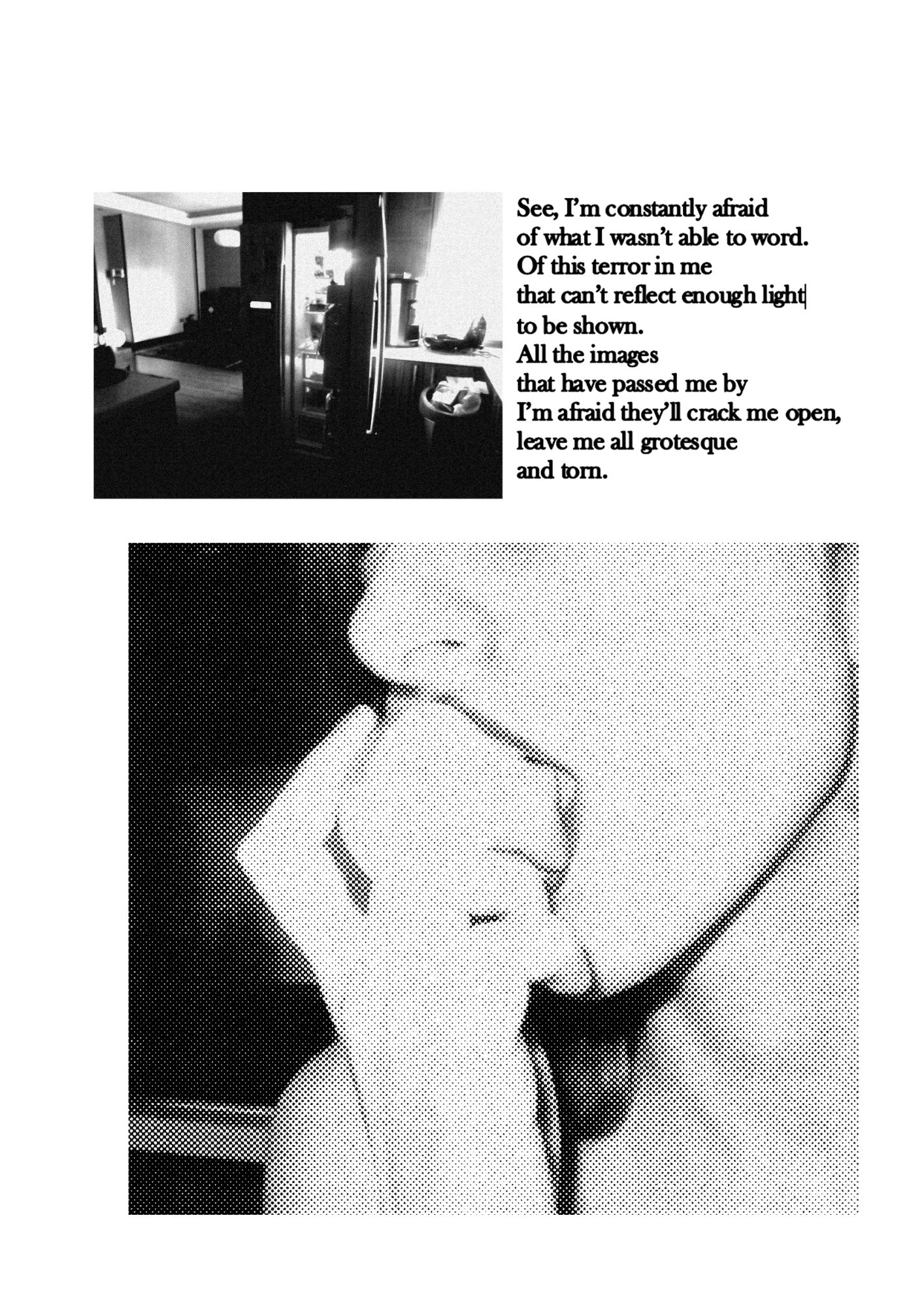
I said I’m not a poet.
A writer, but not the poet kind.
I know, I know. It’s strange to hear.
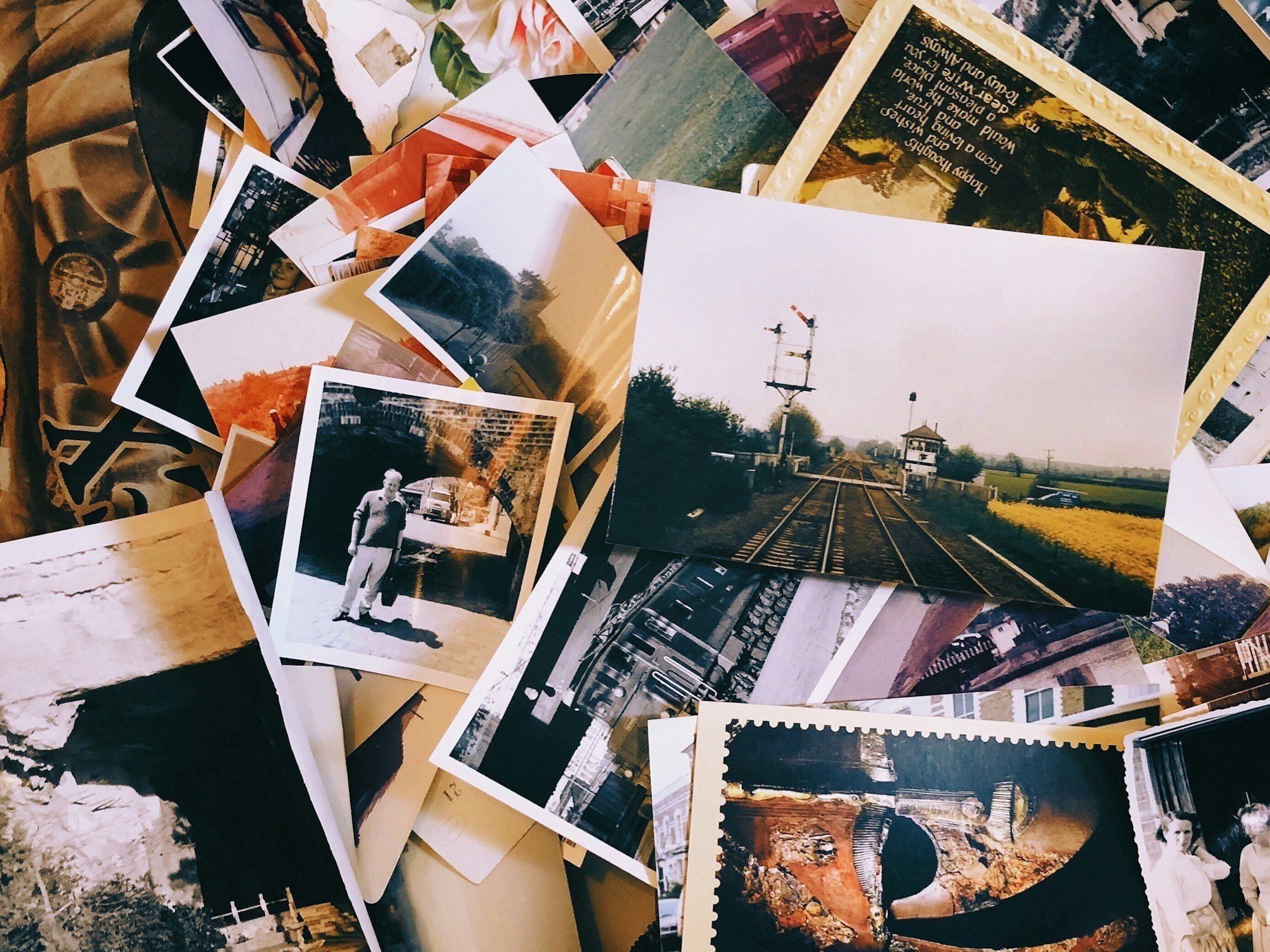
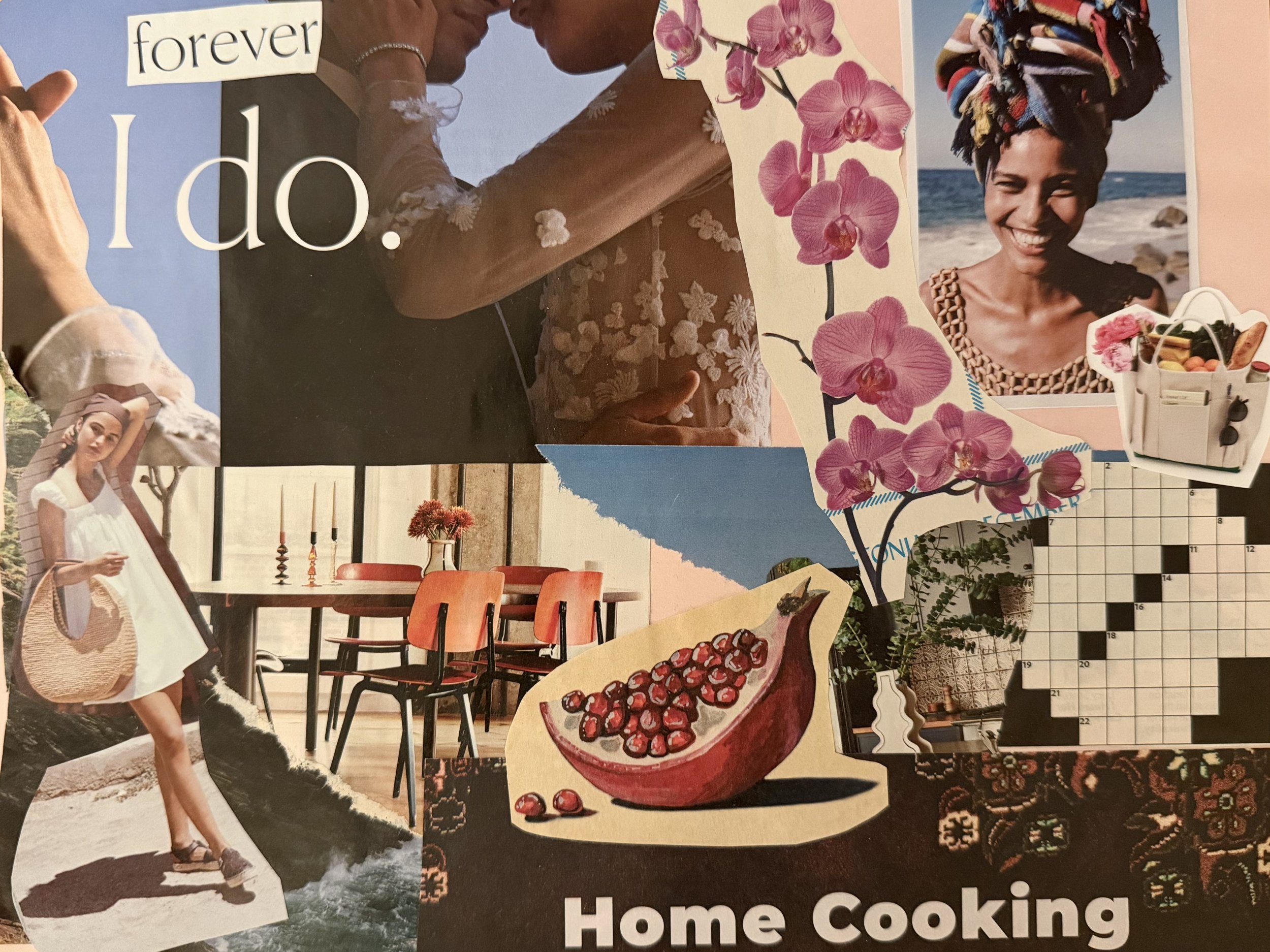
The act of collecting enables us to reframe context and create an entirely new composition.
از ساختمان سفید سنگی که بیرون میآیم، لحظهای متوقف میشوم. چشم میدوزم به برچسب ویزا که وسط گذرنامهام جا خوش کرده.
Mother who nurtures you
in one gesture weans you
and cradles the world.