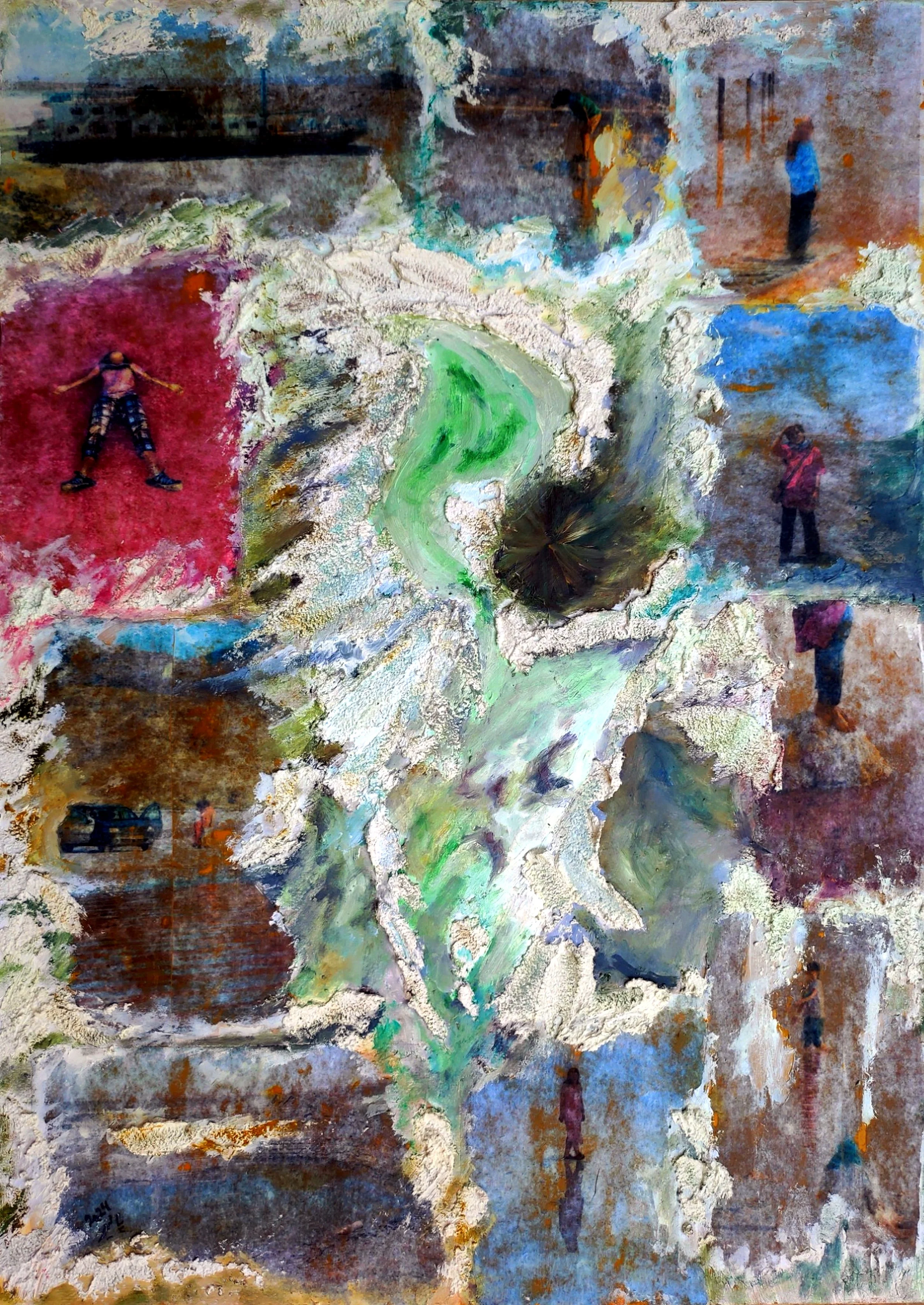
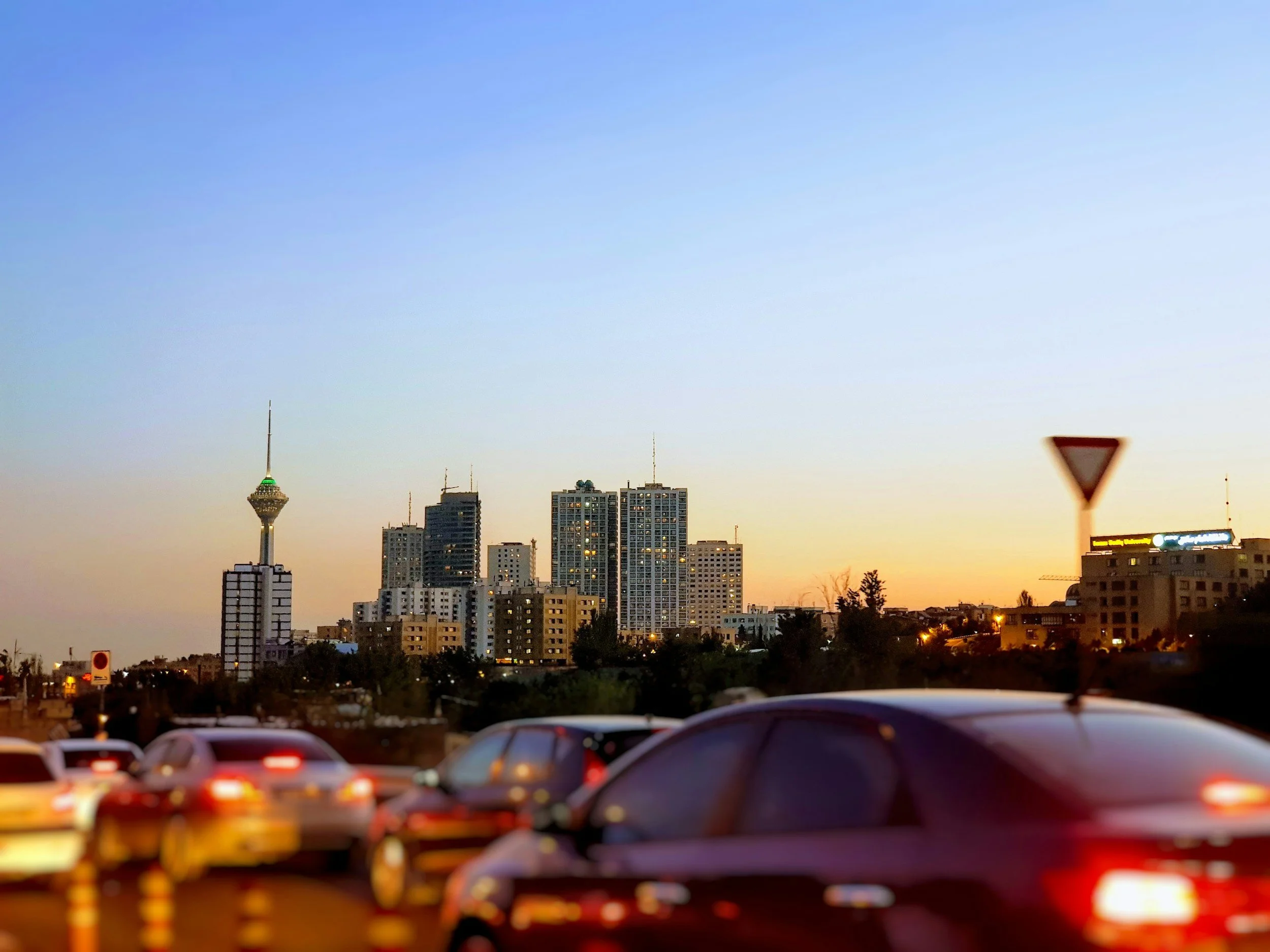
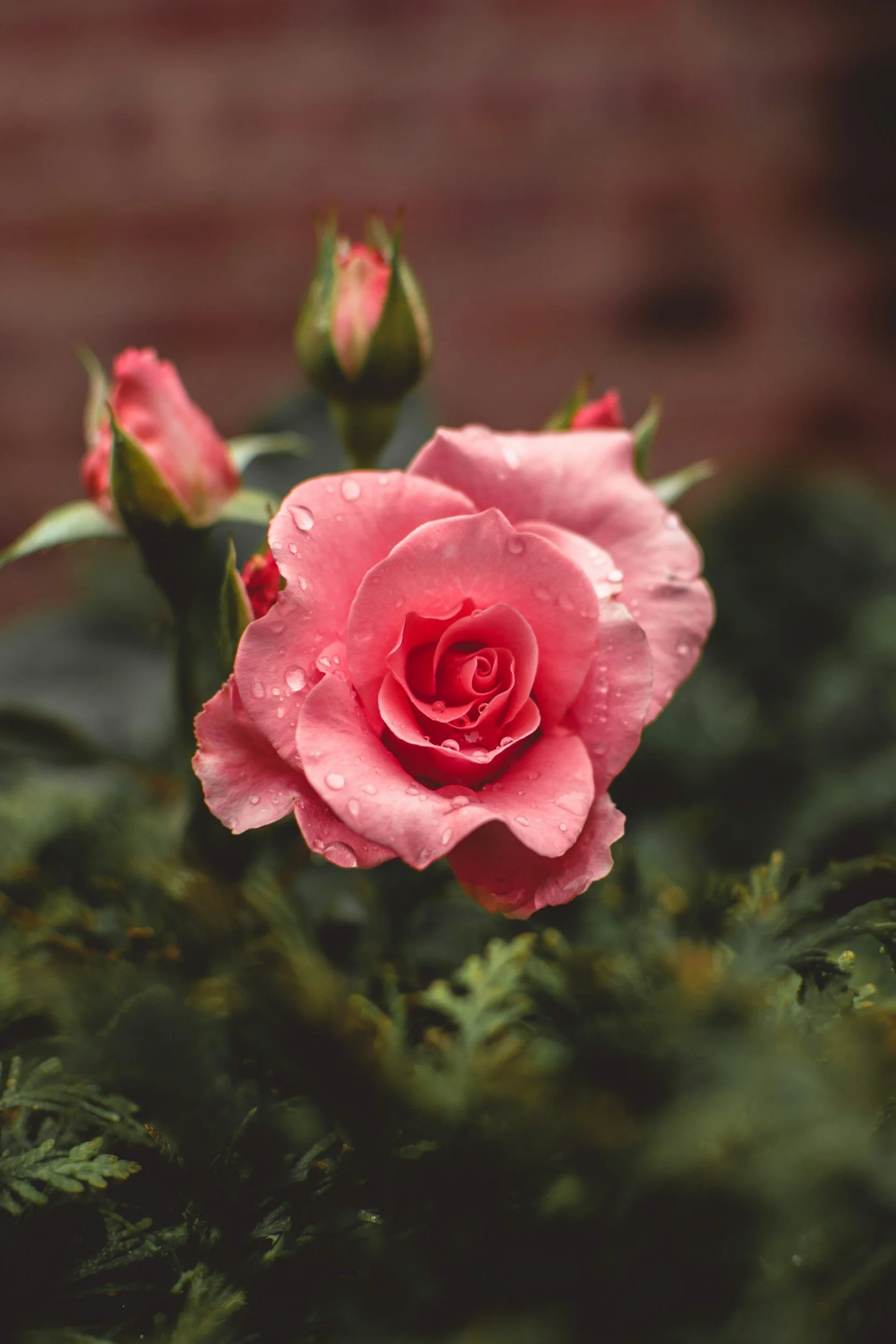
This is a piece done in ink and colored pencil. Finished in May 2026, I used this drawing to process all the chaotic feelings I was feeling after moving away from Iran a couple of years ago and especially during these past months.
All throughout the blackout, I would screenshot any picture and video coming out of Iran, which sparked familiarity even if I had never been to the area depicted. My whole camera roll became screenshots of bombings and portraits of strangers younger and older than me.
Collecting all these images felt like a desperate way of doing something, but I was only able to make something of them through this drawing. By collaging some of the screenshots together over a painting by Gustav Klimt, I created a composition that made a new but still familiar landscape of my dear Tehran. This is my visual poem to the city I love, crushed by monsters from near and far.
The city I love
Kimia Seifi is a fine artist whose practice moves between painting and sculpture. She was raised in Iran and is currently based in California, where she continues her studies in the visual arts.
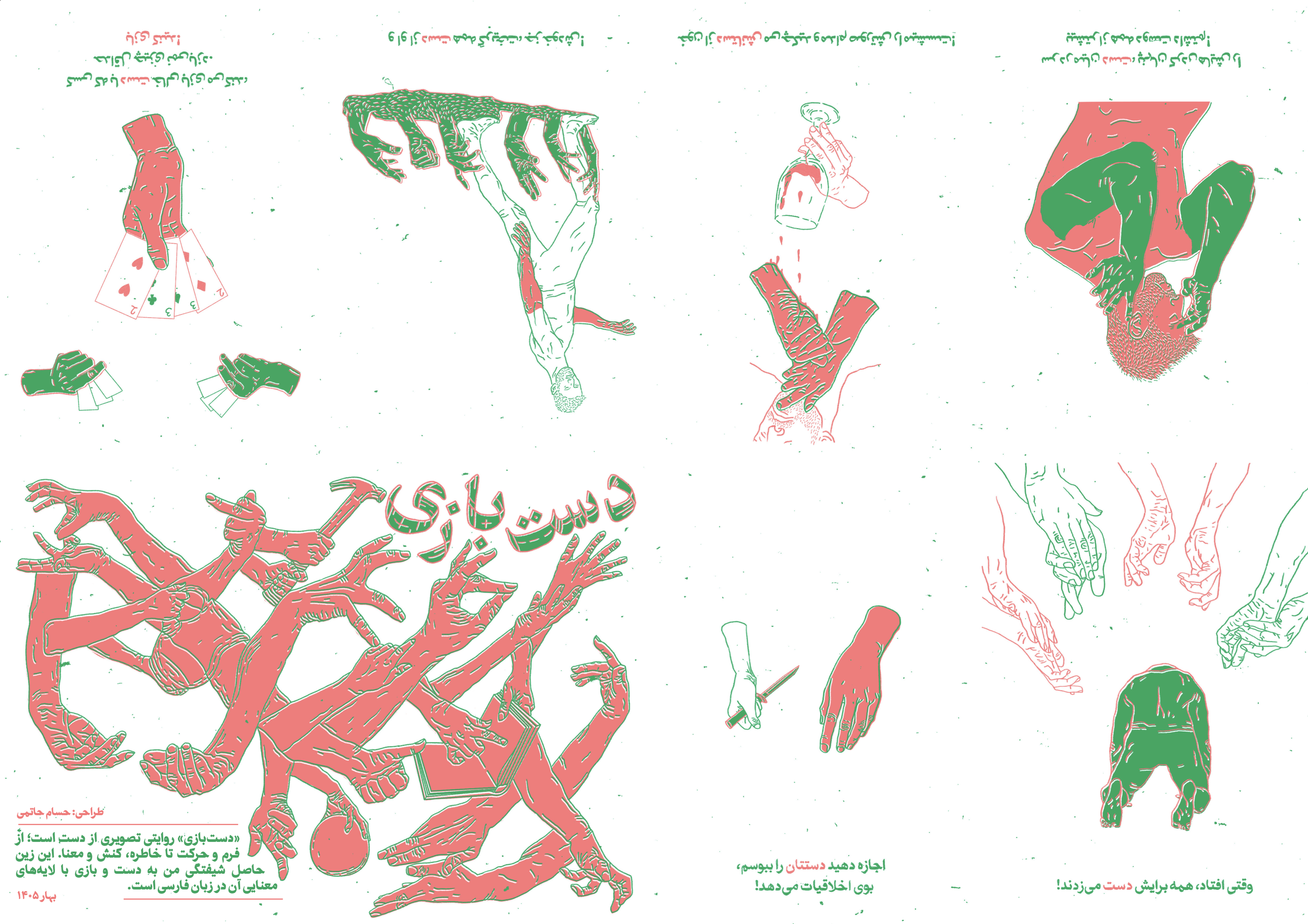
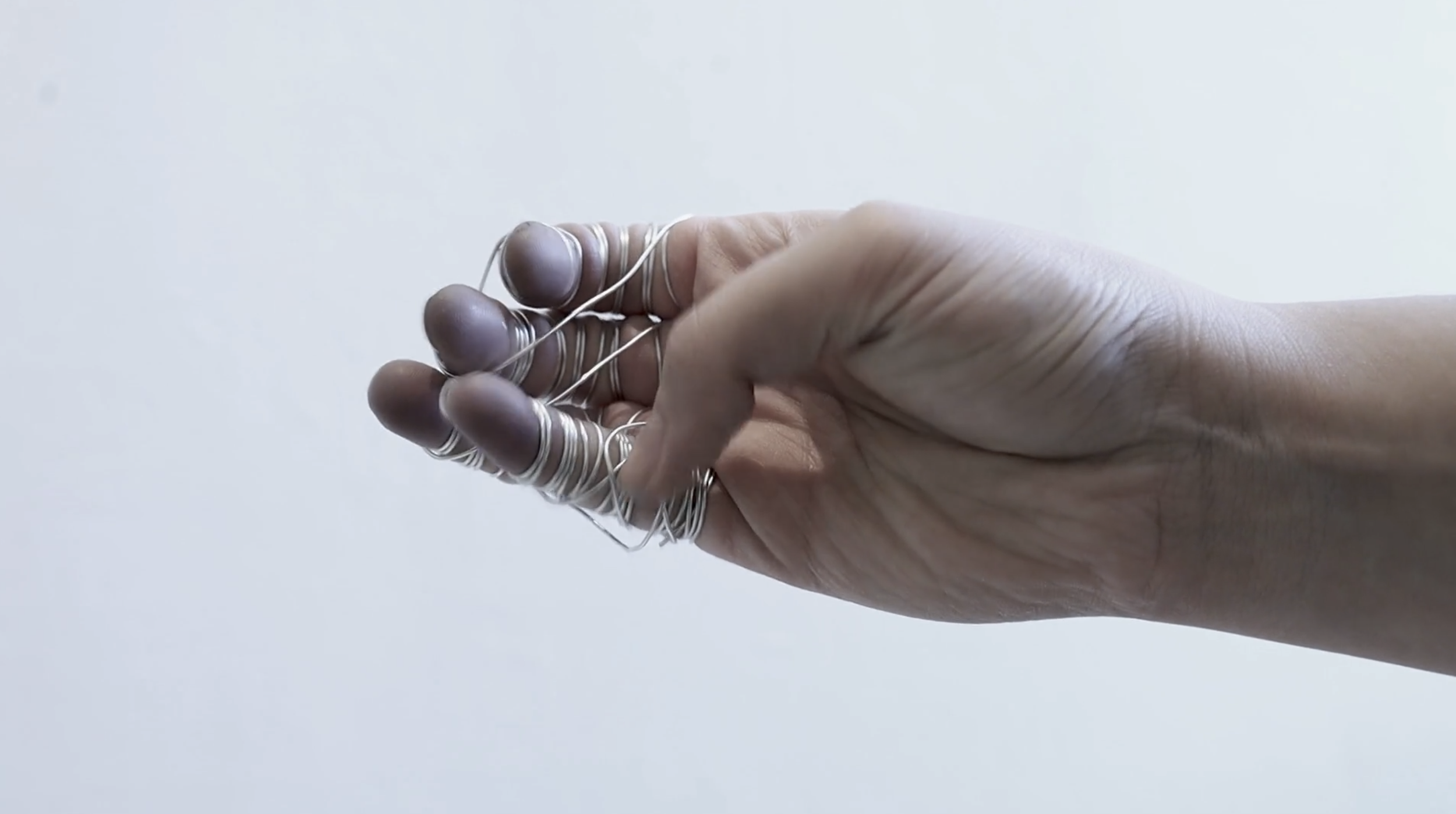
A visual narrative about the hand — its form, movement, memory, action, and meaning.
The same hands that once counted chants after prayer in Tehran, Iran, are now counting days in North Carolina.
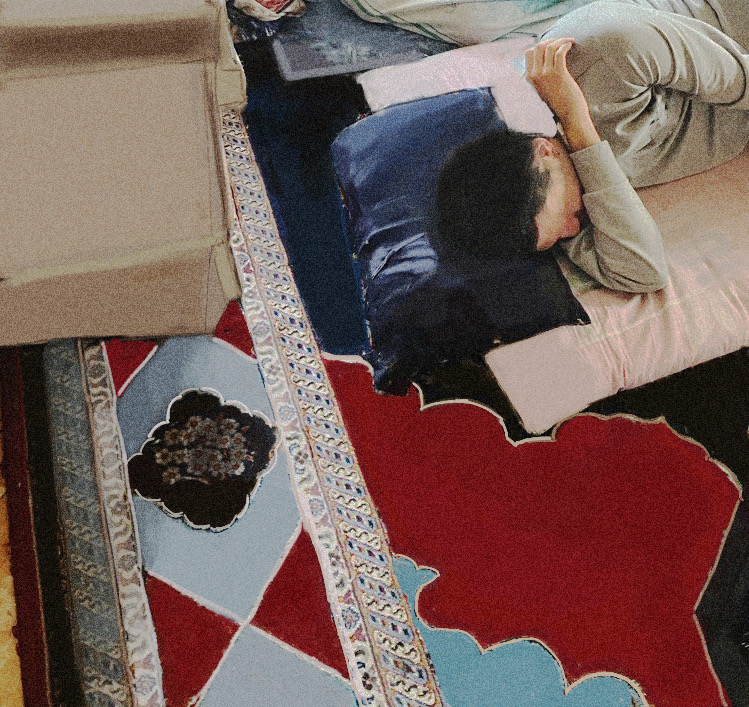
This series emerged from encounters with situations in which nothing completely disappears and nothing completely remains.
The womb.
His mother’s shins
swaying him side to side to sleep.
and i was flying home
to where dayjoon ali teaches poetry
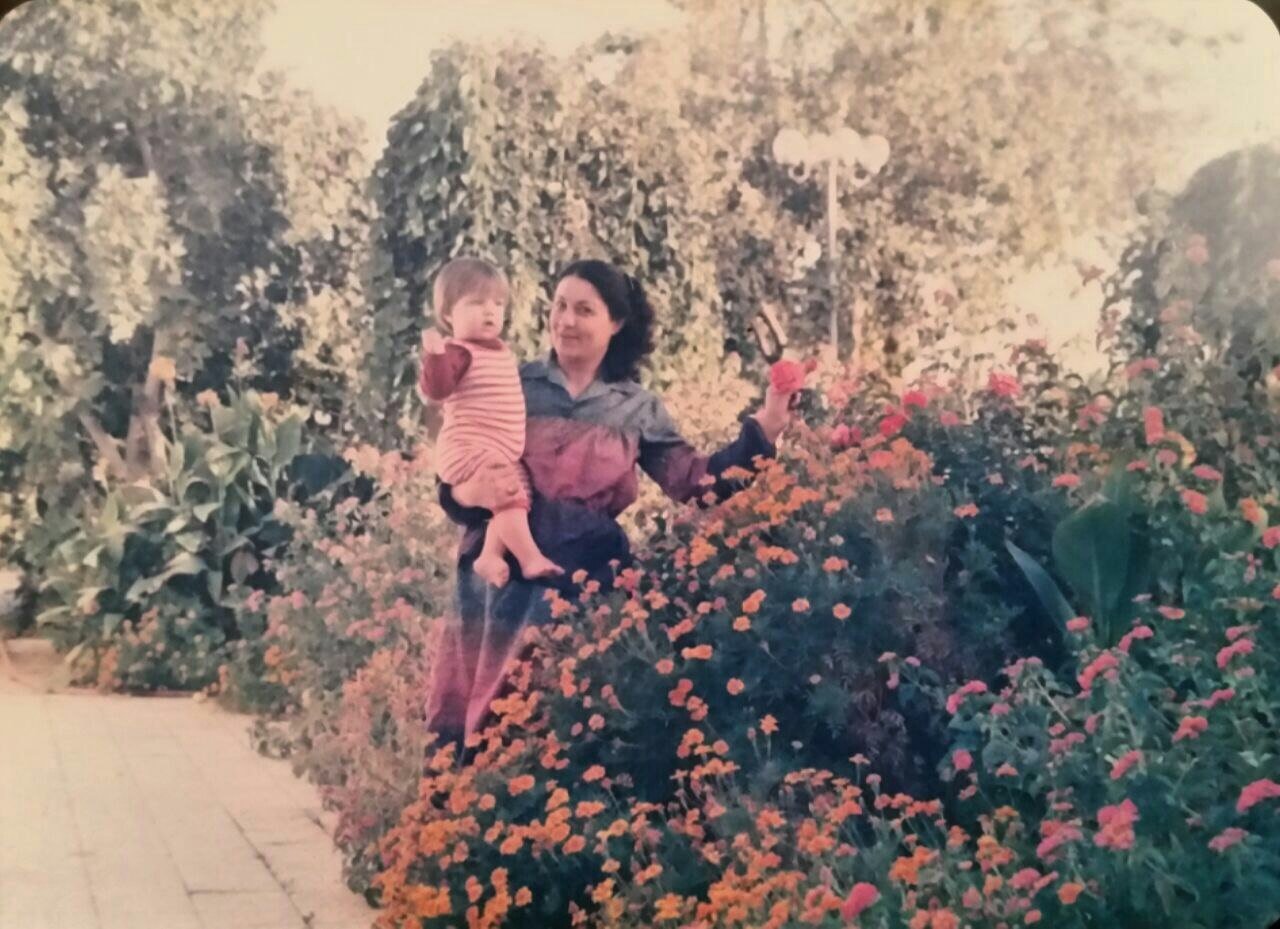
and maman kashoony picks reyhoon in the garden
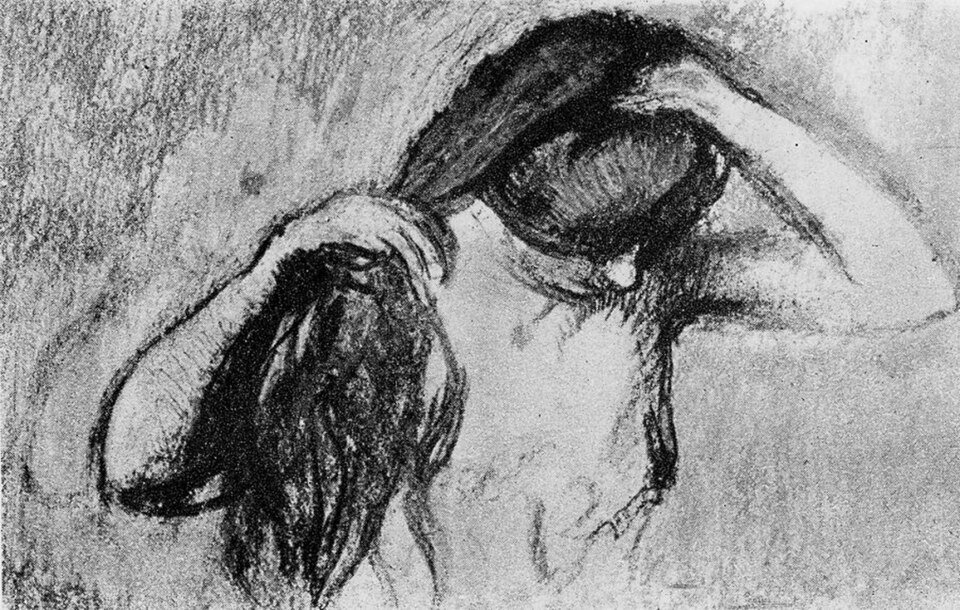
i want to write a poem about my hair
a combustable memoir
about the battle to cover
the mighty war to uncover
The waist of my jeans felt too tight and dug into my hips and belly. I was shaped by an uneasy distrust of my own body: the shame of its weight, but also its desires.
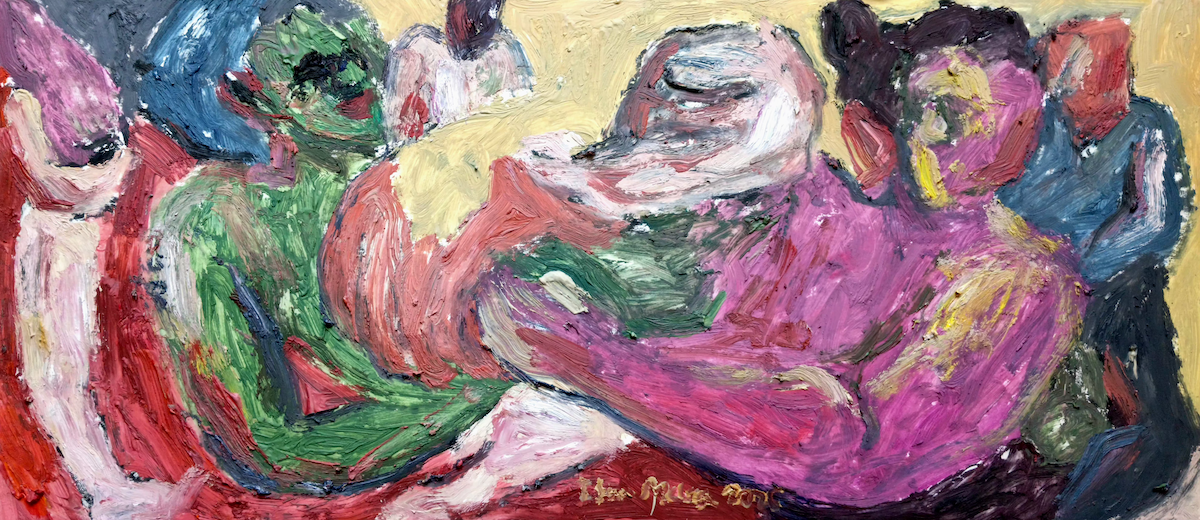
Among the precious things my dad gave me—a love of words, a relentless sense of justice, and a political mind that never seems to rest—his son, my half-brother, remains my biggest treasure.
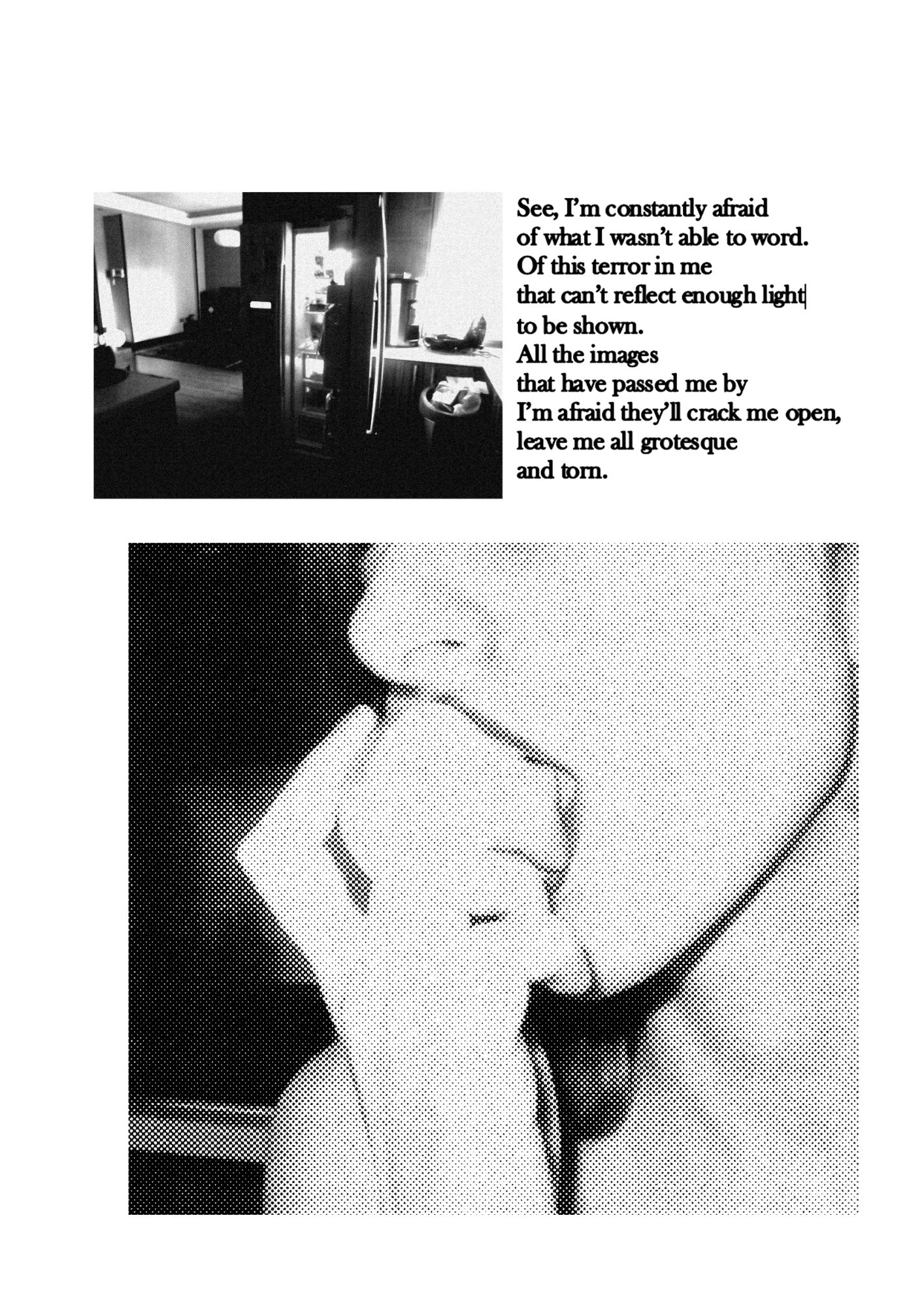
The tight, aching knot of sadness in your throat when you are about to cry but cannot fully break
It’s hard to make up a real story
from all the abstractions and dreams
I still try to take a shape,
to see what I can sew into my flesh
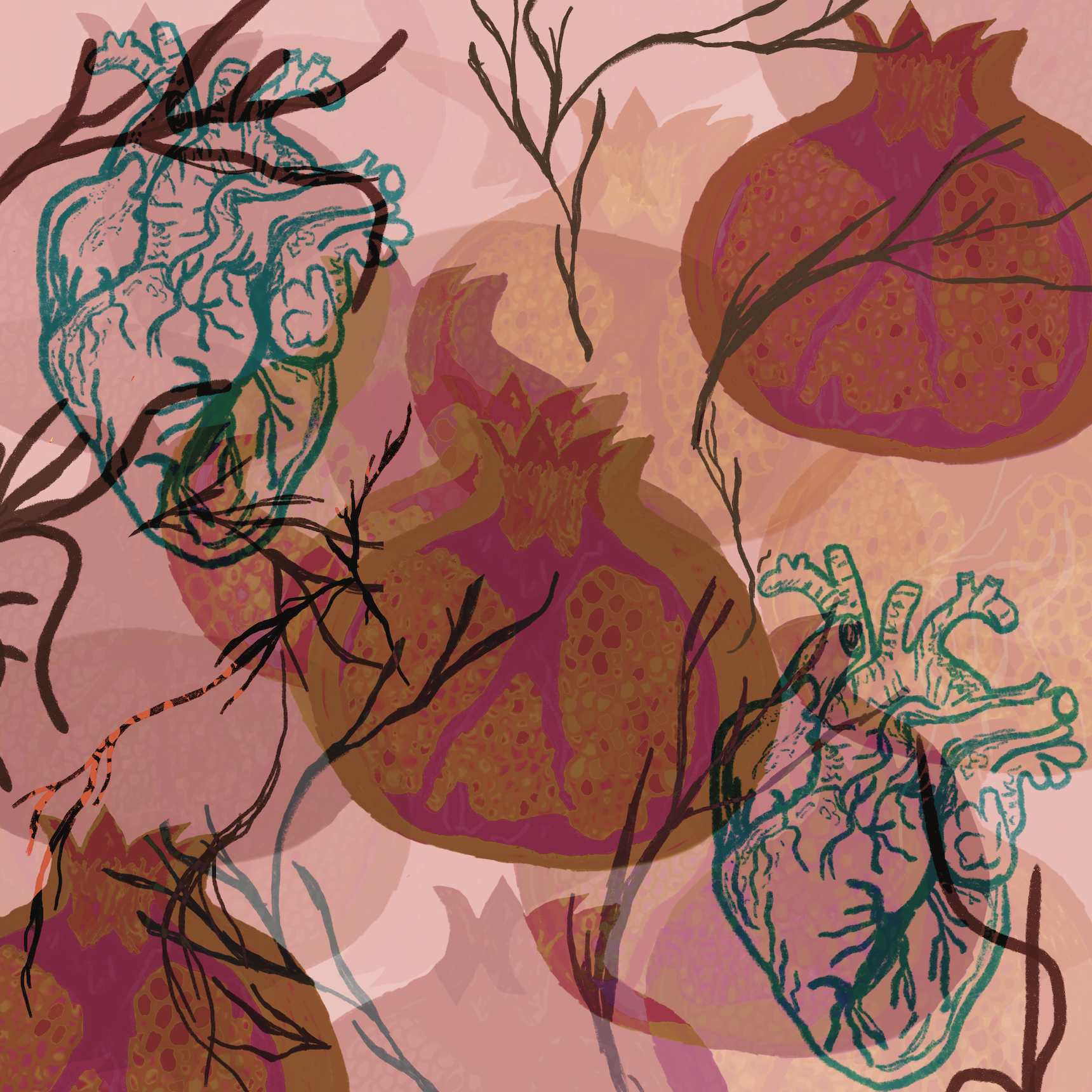
I was taught to split the fruit carefully
thumb in the seam
Juice wants to make it in your mouth
not to be spilled
open without tearing the chambers
as if tenderness was all you knew
not every opening is meant to be violent
not every split is an ending
dear one, some ruptures are how we feed each other
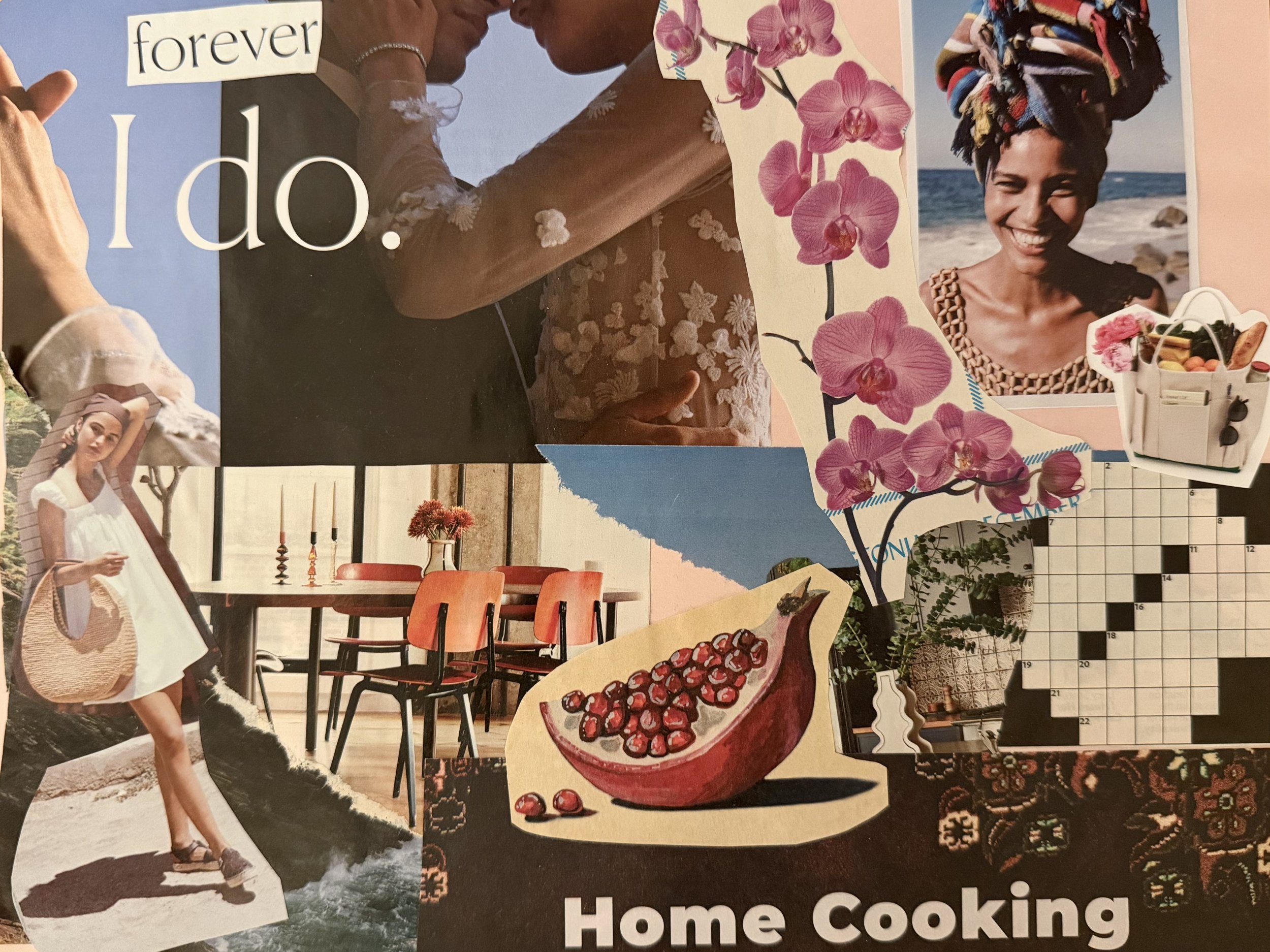
None of the Instagram videos, or how-to guides, or the wedding planners, tell you how to navigate wedding planning at a time of war and genocide.
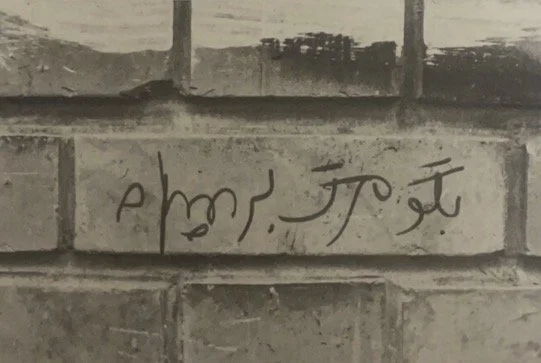
The walls speak. Now, they are asking me to speak as well.
A grandmother, but also something more—the balance, the fixed point one can return to with every turn.
There’s a pain in the heart as if it’s sore from walking too far past mountains,
looking for another cavity to beat in
My country, though I wasn’t your birth-child
you still folded me in
where I took root
Tell me your name
so I can write it in the blank lines between stars
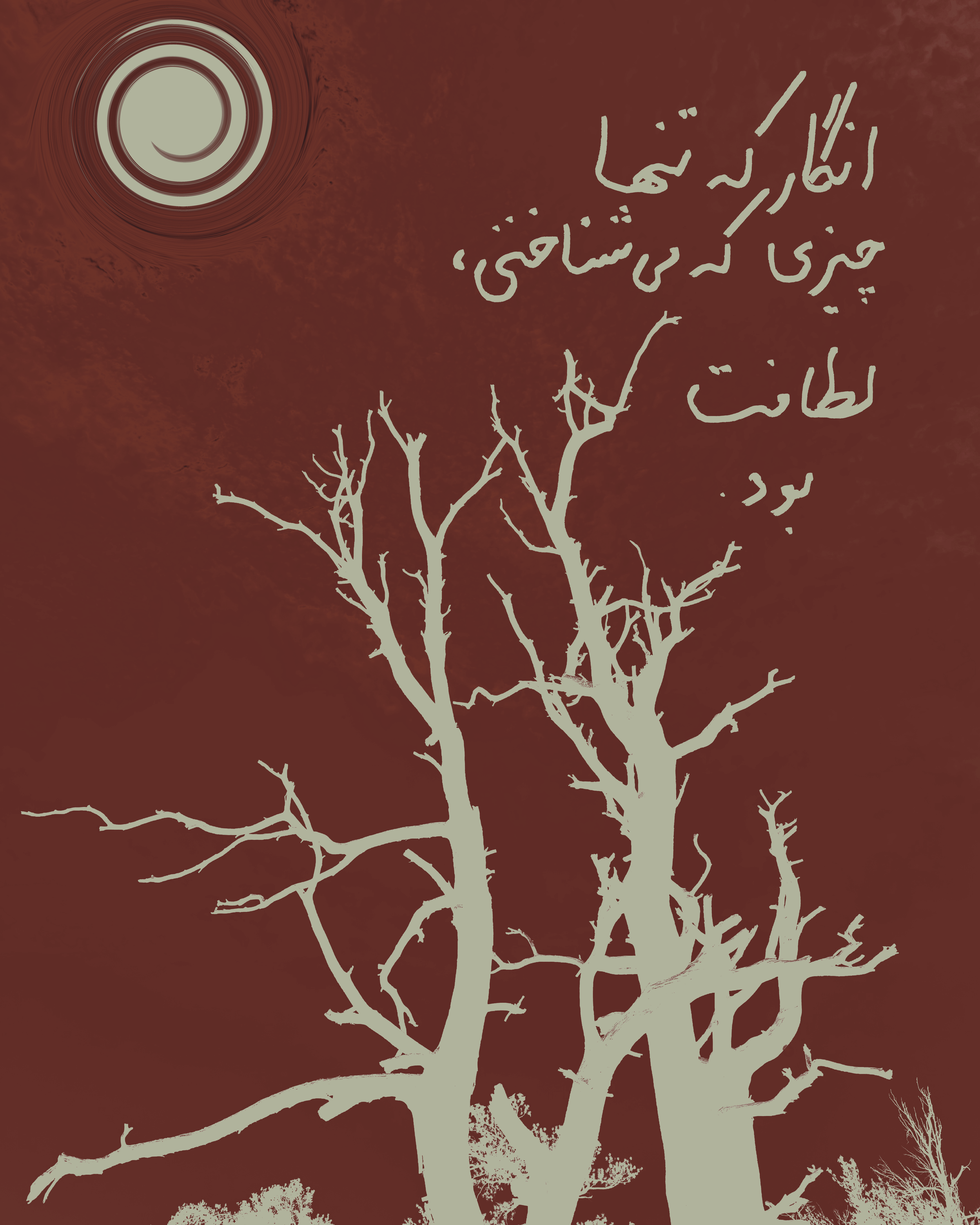
جنگ که شروع شد، من تقریباً هیچ کاری نکردم جز ماندن. نه قهرمانی در کار بود، نه فرار، نه پناهگاه، نه حتی اضطرابی که بشود اسمش را ترس گذاشت.
This body of work navigates the paradox of holding on and letting go, preserving fleeting moments of home while accepting their inevitable disappearance.
I said I’m not a poet.
A writer, but not the poet kind.
I know, I know. It’s strange to hear.
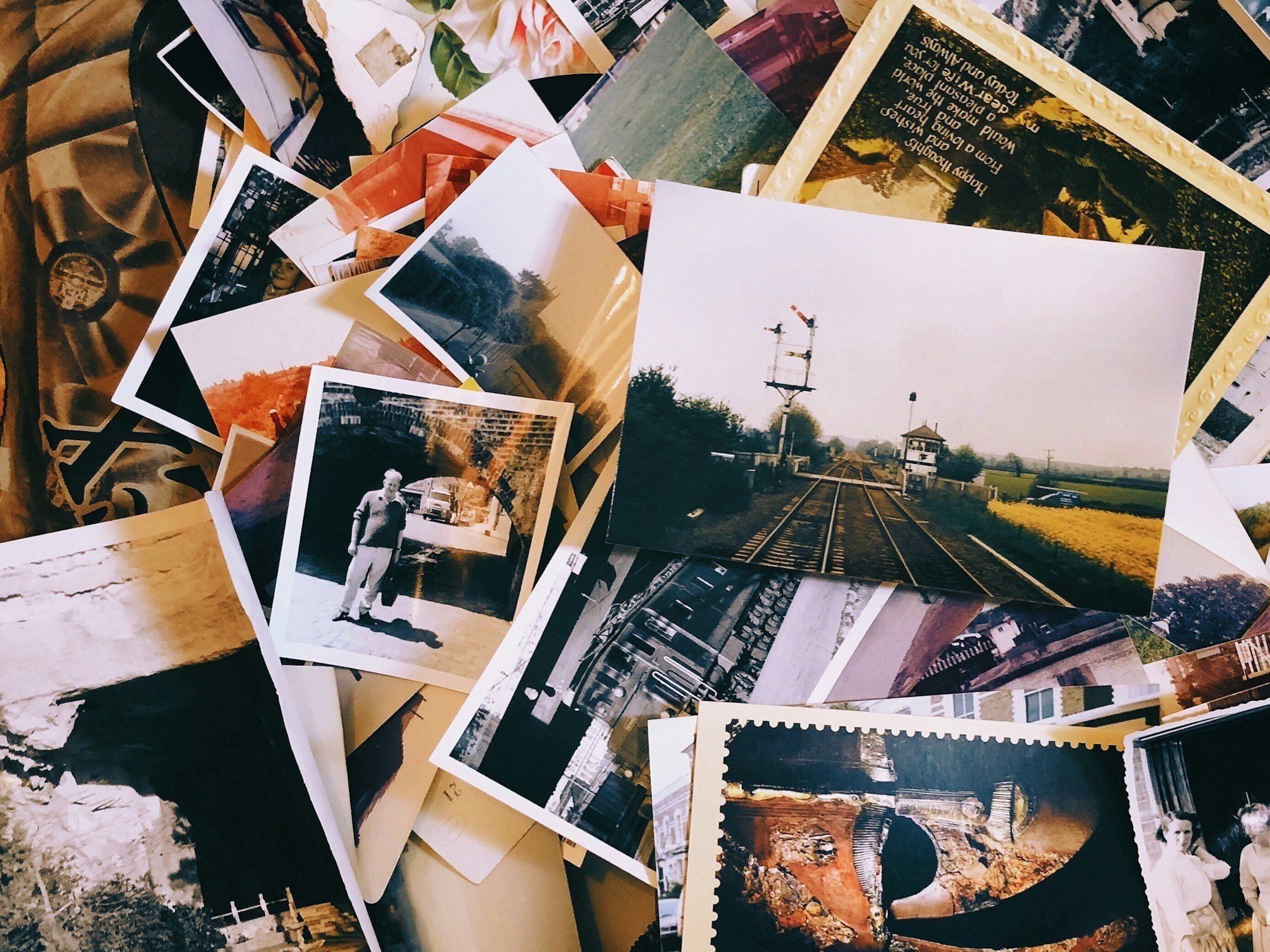
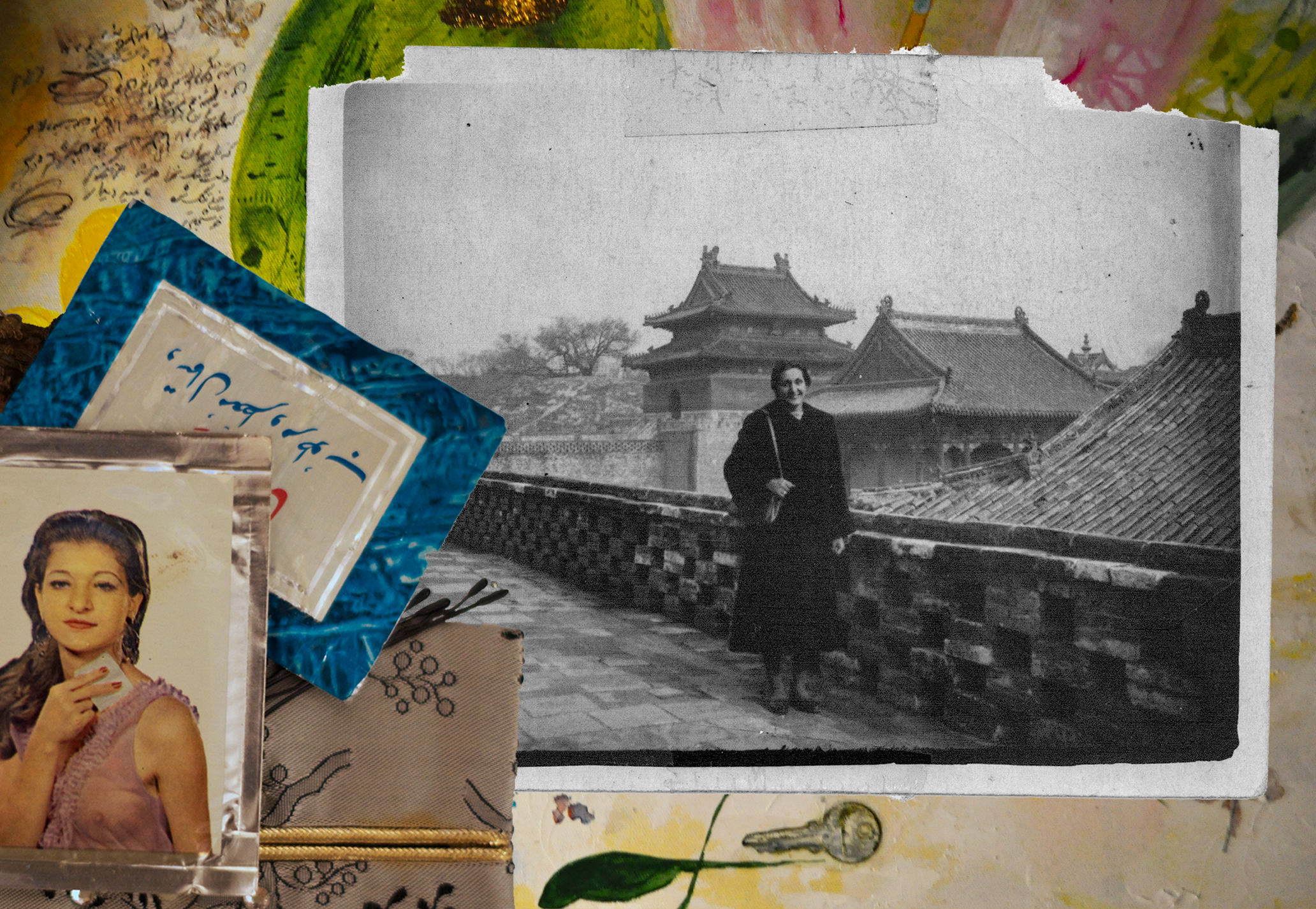
The act of collecting enables us to reframe context and create an entirely new composition.
از ساختمان سفید سنگی که بیرون میآیم، لحظهای متوقف میشوم. چشم میدوزم به برچسب ویزا که وسط گذرنامهام جا خوش کرده.
Mother who nurtures you
in one gesture weans you
and cradles the world.